The status of the recovery timeline
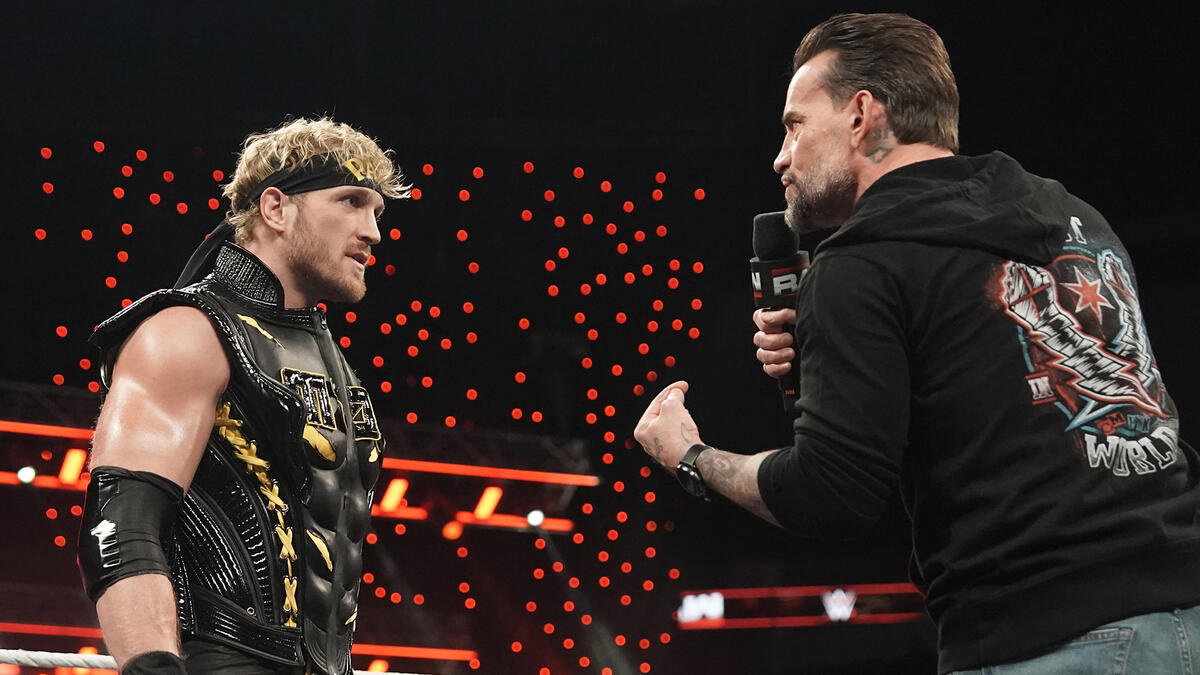
Logan Paul remains in the early stages of rehabilitation following a torn triceps that sidelined the social media star turned active wrestler. Sources familiar with his recovery indicate that Paul is prioritizing aggressive physical therapy, focusing on early range-of-motion work to prevent muscle atrophy in the affected arm.
While internal expectations remain fluid, the recovery for a high-grade triceps tear typically necessitates a minimum window of 4 to 6 months before a return to in-ring physical contact. Because the injury occurred in the wake of his heavy-duty workload during the spring, WWE medical staff are emphasizing a measured approach to avoid the chronic tendon issues that have historically plagued performers like Triple H and Cody Rhodes.
Historical precedent and clinical reality
Triceps tears are notoriously tricky for professional wrestlers who rely on high-impact grapples and rope-running maintenance. The biomechanical load required to execute a splash or sustain a vertical suplex places massive strain on the distal insertion point of the triceps.
History provides a cautionary tale. When former stars suffered similar tendon ruptures, early attempts to expedite the return process often resulted in secondary compensatory injuries. The medical team is treating this recovery like a long-term investment, specifically watching the graft integration if surgical repair was required to reattach the tendon to the olecranon process.
Strategic implications for the division
Paul's absence leaves a gaping hole in the mid-card talent rotation during a summer defined by increased cross-promotional activity. Without his platform, the company loses a specific draw that converts non-wrestling audiences, a deficit identified during recent internal production meetings. The current inability to feature him as a high-flyer limits the booking versatility for upcoming premium live events.
The criticism regarding his booking remains consistent: relying on part-time stars leaves the broadcast team scrambling when these specific talents go down. The mid-card talent pool is currently too thin to absorb this loss without a significant drop in high-energy, fast-paced matches that define the current product.
The road back to the ring
Paul has characterized the recovery as a test of discipline, attempting to shift his training regimen toward low-impact cardiovascular work and core stabilization. He is currently 12 weeks away from even considering basic heavy lifting. Any effort to jump back into the ring before full fiber maturation could risk a re-tear, which would likely stretch his absence toward the full 9-month recovery mark.
As reported by Ringside News, the optimism surrounding his progress is tied entirely to his adherence to the established rehab protocols. Expect no cameos in the ring before the fall season, as the company has no incentive to rush a performer who remains a high-value asset for long-term revenue.
The wider impact
The loss of Paul necessitates a shift in how the creative team builds segments. Without the high-stakes potential of a viral highlight spot, the mid-card matches have slowed in pace. Management has failed to adequately prepare a secondary tier of high-flyers to step into this position, resulting in a reliance on older veterans to fill time.
This reliance on established talent is a stagnant strategy. It prevents younger roster members from gaining the necessary TV time to develop their own characters. If the goal is to maintain the momentum felt since the successful Bologna broadcast period, the creative team must find a way to distribute that lost airtime more effectively across the undercard.
The reality is simple: the show must sustain its pace even when the biggest names are sidelined by injury. If the medical department does not sign off on October or November, the window for a major return becomes compressed by the year-end schedule. Fans tracking this progress should prepare for his eventual return to be limited to protected tag matches or short-duration singles spots to minimize risk to the operative site.