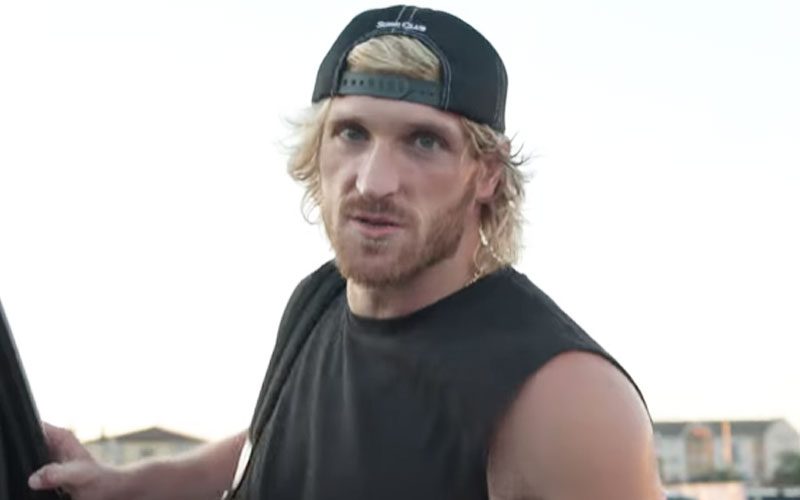
The status of Logan Paul’s rehabilitation
Logan Paul is trending ahead of schedule in his recovery from a torn triceps. The injury, which occurred during the closing moments of his match in May, initially threatened to keep him sidelined for the remainder of the summer. Despite the severity of the tear, medical professionals monitoring his recovery have expressed surprise at the speed of his tissue repair.
Paul confirmed the positive development himself, noting that his progress has outpaced the expectations established following the initial surgical intervention. While he remains officially inactive, the gap between his current status and a full return to the squared circle is shrinking rapidly. This recovery trajectory provides a rare bit of positive news for a roster that has been battered by a series of physical setbacks across the summer season.
Medical context and historical recovery patterns
A torn triceps is a significant hurdle for any professional athlete, particularly one who relies on high-impact aerial maneuvers and explosive striking. The triceps muscle is critical for the stability of the elbow joint and the extension of the arm, both of which are taxed heavily in the high-intensity environment of a WWE ring. Historical precedent for this injury suggests that rushing the recovery can lead to chronic instability or secondary tears.
The standard recovery window for a complete triceps tear often requires several months of specialized physical therapy to restore full range of motion. Athletes typically undergo a period of total immobilization followed by progressive loading protocols. Paul appears to be navigating this phases without setbacks, but the caution remains high. Accelerating the process frequently risks compensatory injuries elsewhere, as different muscle groups attempt to handle the load of the healing limb.
Strategic and booking implications
Logan Paul occupies a unique position on the roster. He functions as a high-visibility special attraction who can anchor major segments without requiring a full-time, 52-week-a-year travel schedule. His absence has left a hole in the mid-card talent rotation that creative teams have struggled to fill effectively. The reliance on part-time performers like Paul highlights the depth issues currently plaguing the promotion as they approach the next cycle of premium live events.
The booking team now faces a strategic decision. Do they bring him back precisely when medically cleared, or do they hold him for a massive return pop at a higher-profile event? If he is cleared before the end of the summer, the temptation to insert him back into a high-stakes feud will be overwhelming. However, bringing him back before he is at 100 percent capacity could compromise the long-term effectiveness of his in-ring repertoire.
The broader impact of the roster crunch
The current climate in the locker room is defined by attrition. As previous reporting has indicated, the medical situation is fluid and frequently forces last-minute adjustments to scripts. While Paul is seemingly an outlier in terms of recovery speed, he is just one name on a long list of talent working through physical limitations.
Management's handling of these injuries suggests a shift in how they prioritize talent health versus show requirements. There is a perceptible friction between the medical staff's conservative projections and the creative team's desire to keep momentum high. Paul remaining in the news cycle—even regarding his potential interest in purchasing the company's private jet—ensures his brand remains relevant while his physical status is being closely monitored. Ultimately, whether his accelerated healing provides an actual long-term benefit for the company's booking strategy or merely provides a temporary distraction remains a point of skepticism among industry analysts.