The Mechanics of a Muscle Tear
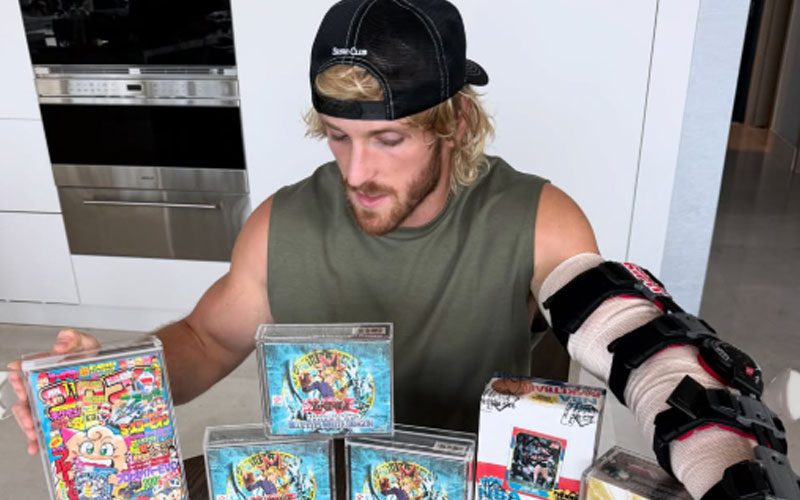
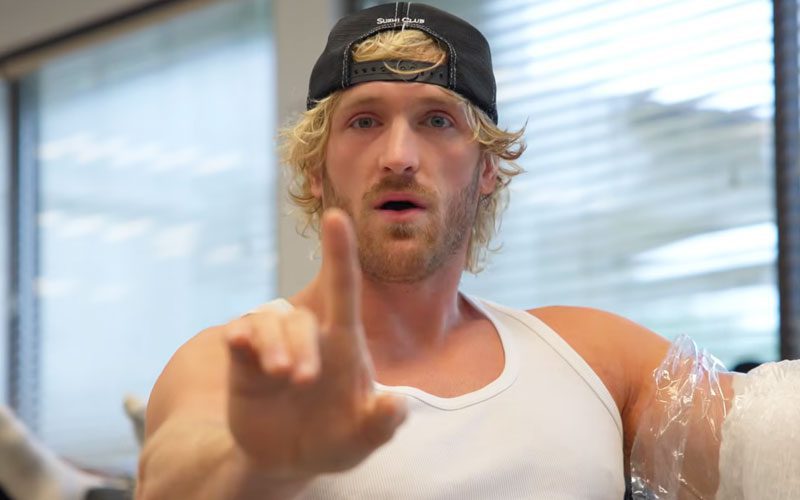
Logan Paul confirmed the nature of his injury during a post-match breakdown following Saturday Night’s Main Event. The injury occurred during a transition in the late stages of his match, specifically as he attempted a high-impact spot near the ropes. He suffered a full triceps tear, moving him immediately to the injured reserve list.
Technical analysis of the sequence reveals a lack of optimal bracing. Paul landed in a compromised position, putting the full force of his body weight onto a locked elbow. This is a common failure point for high-flyers who rely on explosive movement during closing sequences. It mirrors the physical decline often seen in performers who prioritize spectacle over kinetic safety.
The Historical Precedent
Triceps tears are notoriously difficult for wrestlers because they require total immobilization followed by slow, rhythmic rehabilitation. Cody Rhodes faced a similar recovery path after his pectoral tear, though Paul’s injury affects his ability to perform the technical catches and rope-based maneuvers that define his current style.
We have seen this trajectory before. When performers move from a part-time schedule into a high-intensity program without consistent ring seasoning, cumulative fatigue often manifests in soft-tissue failure. The body simply cannot adapt to the torque demands of modern main-event wrestling on such a fragmented schedule.
Strategic Implications for the Card
This injury creates a massive hole in upcoming programming. WWE relied on Paul to anchor the mid-to-upper card with viral social media appeal. Without him, the company is forced to shuffle talent who lack his specific reach in the recent coverage of the fallout. It forces creative to rethink planned storylines that centered entirely around his physical involvement.
The creative team often uses these events as a sink-or-swim moment for other athletes. However, rushing a replacement into a high-profile spot often backfires. We have seen instances where the scramble to fill a void leads to poor match quality and unnecessary risks taken by the talent trying to fill the gap.
Critical Assessment of Booking
There is a glaring issue with how these Saturday Night’s Main Event matches are structured for part-timers. Booking high-risk scenarios in shows that lack the recovery time of premium live events is a recipe for medical disaster. The industry is currently over-leveraging its biggest assets, and this injury is a direct consequence of that trend.
Paul is sidelined effectively until at least the late fourth quarter of 2026. This timeline is optimistic, assuming the surgery was successful and the post-operative inflammation subsides without nerve complications. He loses significant momentum in a year where TV ratings are increasingly sensitive to star power.
This is not simply bad luck. It is a failure of load management. If the medical team continues to clear performers for high-impact spots on short-cycle shows, we will see more star athletes relegated to the sidelines before the end of the calendar year. Competitors must watch who they put in the ring with part-time attractions, as the liability is now shifting toward the company's fiscal future.