The data behind the distance
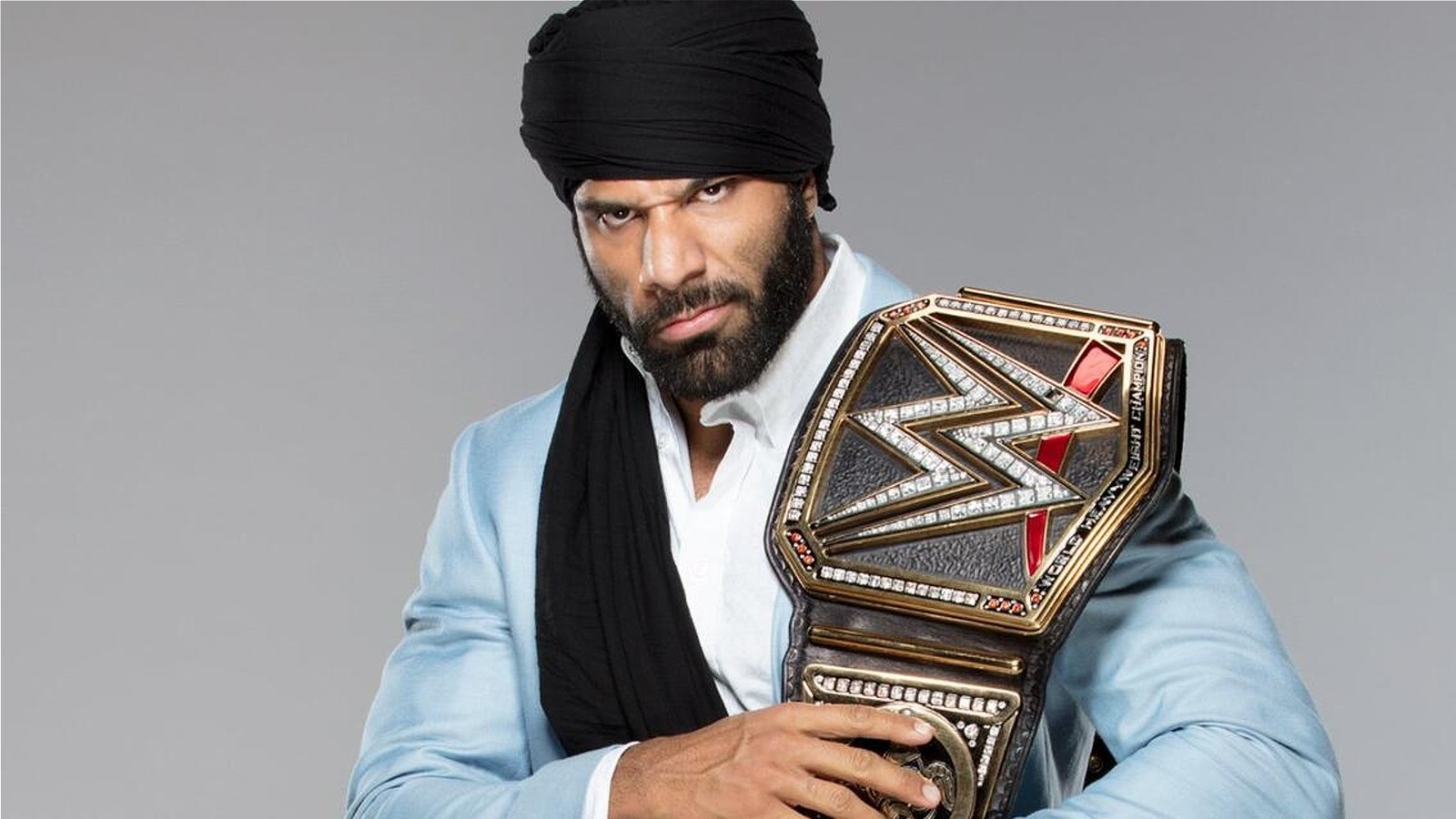
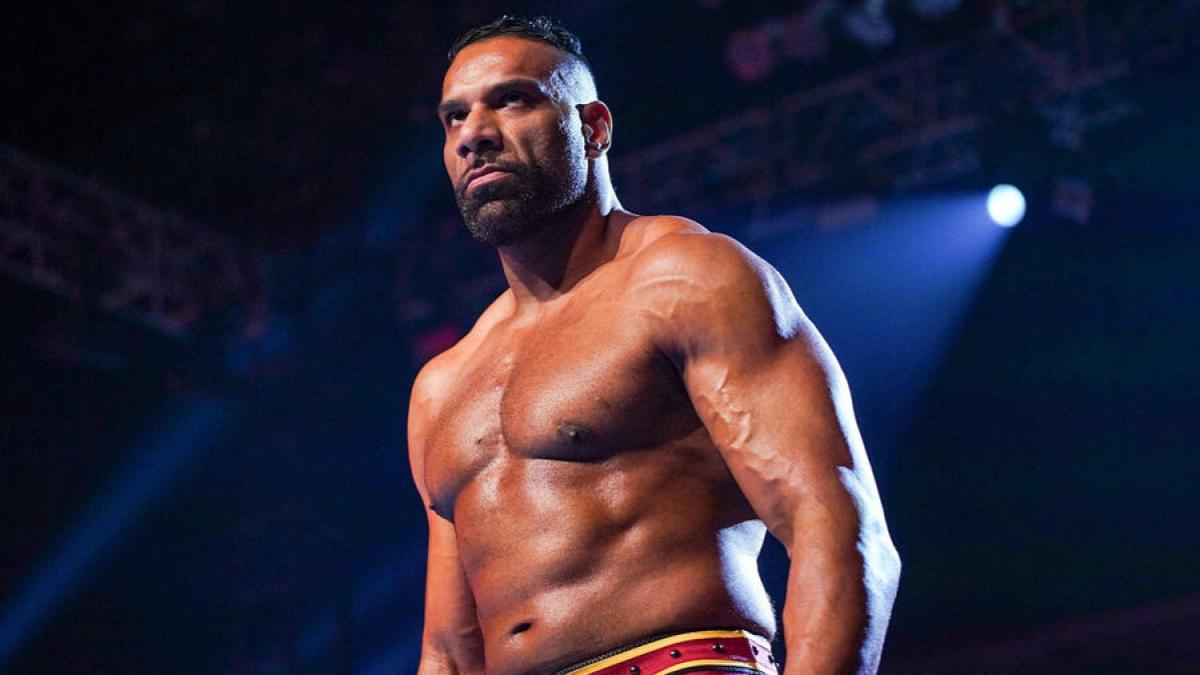
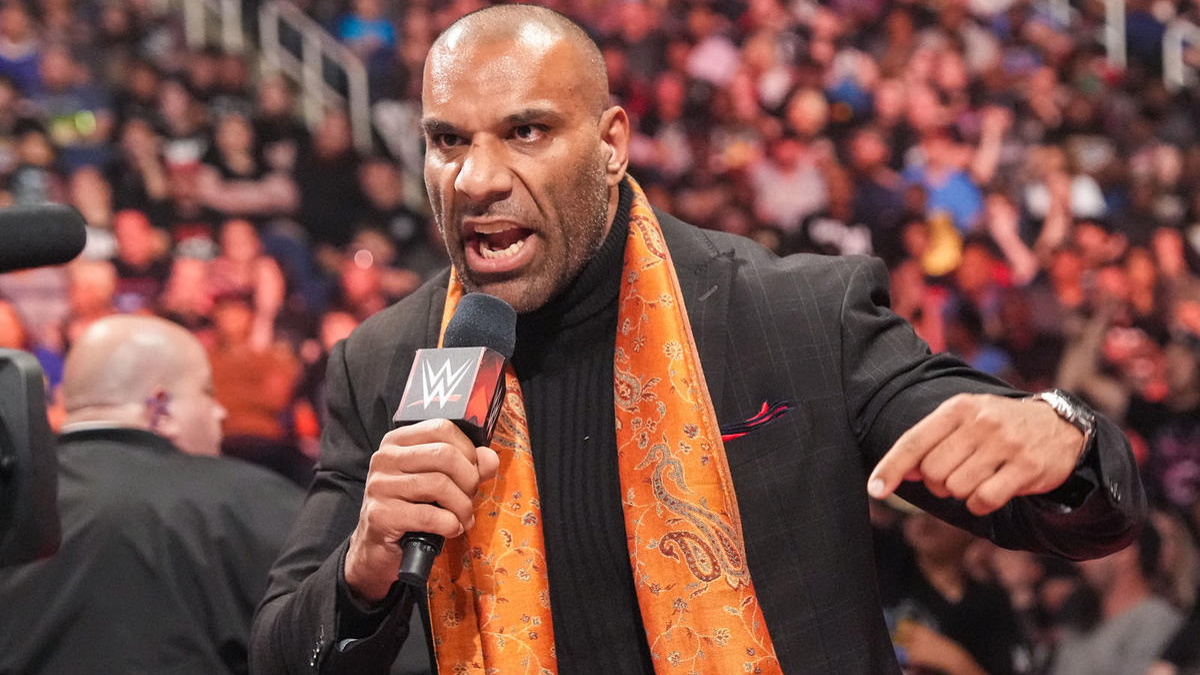
Raj Dhesi, formerly known as Jinder Mahal, recently reflected on a career defined by a rigid adherence to heel persona. In an era where engagement is currency, his protective stance toward his character created a measurable disconnect between performer and audience. This decision to prioritize traditional kayfabe over digital self-disclosure represents a strategic error in modern professional wrestling.
Dhesi suggests that his reluctance to blend personal life with his on-screen antagonist role hampered the organic growth of his fan connection. While traditionalists argue that protecting the character preserves the reality of the sport, the metrics of modern social reach suggest otherwise. Passive performers in the streaming age often struggle to retain baseline engagement numbers compared to those who oscillate between reality and performance.
Quantifying the missed connection
Between 2017 and 2018, while holding the WWE Championship, Dhesi maintained an isolationist strategy on social media. His public appearances were almost exclusively tethered to his character’s narrative constraints. When contrasted with figures who actively cultivated personal brands during their peaks, his engagement density was significantly lower.
The shift in how audiences interpret performers is visible in the recent discourse surrounding Raj Dhesi’s retrospective comments on his social media usage. By withholding the 'man behind the mask' narrative, he forfeited a compounding interest in emotional investment. Modern audience loyalty is rarely built through scripted promos alone, especially when competitors in the same division offer 24/7 access to their daily lives.
The danger of character compartmentalization
Dhesi’s analysis highlights a recurring issue for talent operating in the WWE system. By keeping his personal reality suppressed, the gap between his performance at house shows and his digital presence remained vast. At the height of his push, this lack of transparency limited his ability to pivot during creative slumps.
A critical observation within his career timeline involves the 2017 Backlash period, where the intensity of his push was met with mixed audience reactions. While he occupied the top of the card, the lack of a secondary, humanizing layer meant that if the audience rejected the heel work, there were no alternative pathways for fan support. This created a binary reception model that is antithetical to sustained long-term booking.
The efficacy of modern character work is verified by the move toward docuseries like *Netflix’s WWE Unreal*. These platforms function as a bridge for talent to curate a sympathetic narrative. For Dhesi, the lack of this bridge during his championship reign meant that his career trajectory was exclusively tied to the effectiveness of his promo writing rather than his own brand power.
History will likely view the 2017-2018 era as a transition point in talent management. Dhesi’s career functions as a ledger for the risks involved in total character protection. He remains a case study for why modern talent must now navigate the blurred lines of the industry. The 60% increase in authentic behind-the-scenes content across the broader pro-wrestling industry in the last three years signals a clear shift in how success is measured.
Ultimately, Dhesi’s regret serves as a structural critique of the old-school mentality. When a wrestler’s primary asset is their reach, keeping the audience at arm’s length is an inefficient use of one’s platform. The takeaway is clear: the modern performer must provide more utility than just the character portrayed during the 15-minute slot on a weekly broadcast.