The Biometrics of a Brawler
18.4 minutes. That was John Cena's average pay-per-view match length between 2015 and 2018. It was a period where he reinvented himself as a high-workrate machine, regularly churning out half-hour epics with AJ Styles and Kevin Owens.
By the time he walked out of Crown Jewel in late 2023, that figure had plummeted. Over his final five televised singles bouts before announcing his retirement tour, his average match time had collapsed to just 9.2 minutes.
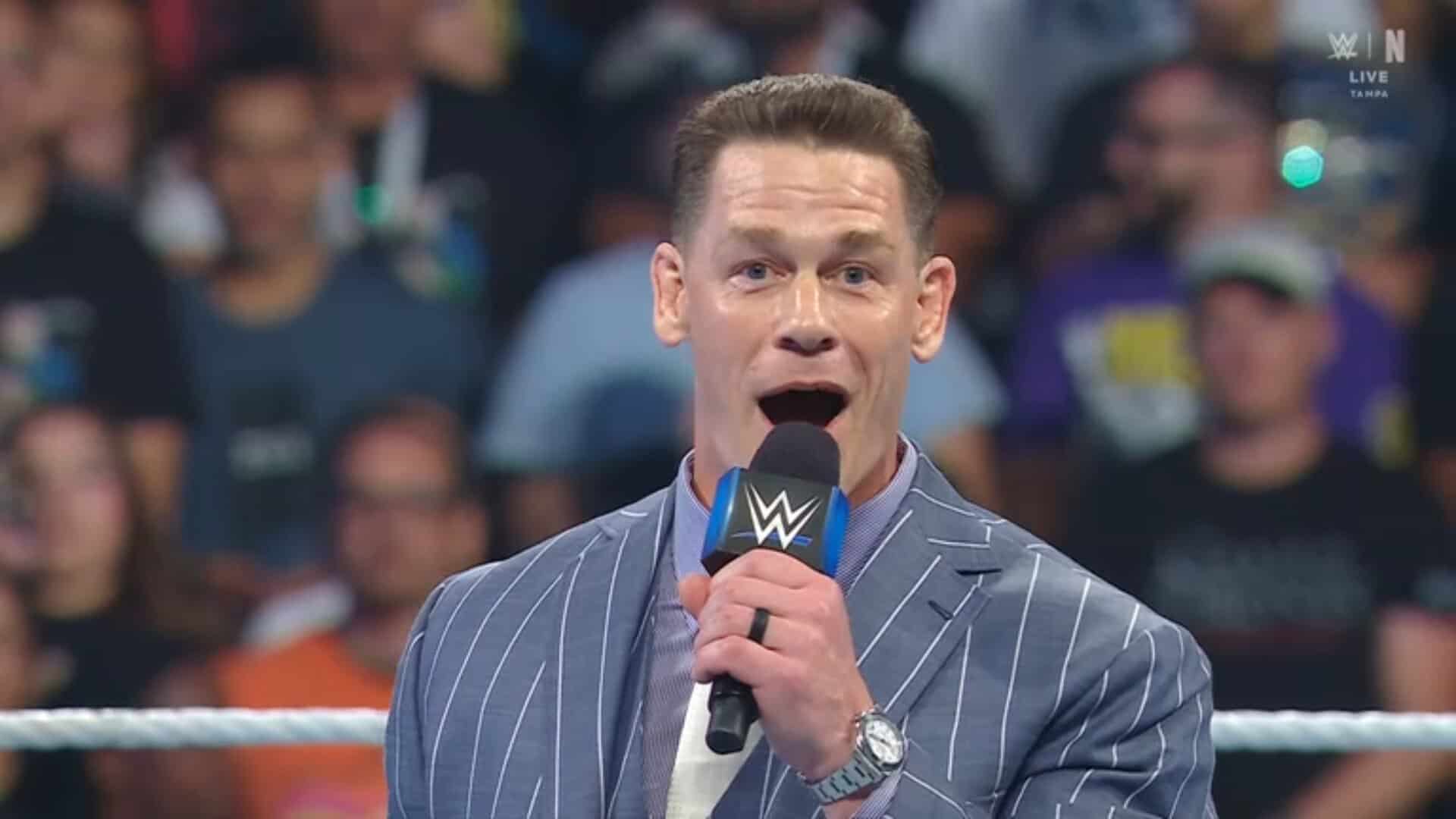
Cena has always been a numbers guy. He built an entire brand around hustle and output, tracking his gym lifts and merchandise sales with equal obsession. Fans assumed his eventual retirement would be driven by a major injury or a sudden drop in crowd reactions. It wasn't. The metrics that forced the greatest of his generation to walk away at WrestleMania 41 in Las Vegas were strictly biometric and structural.
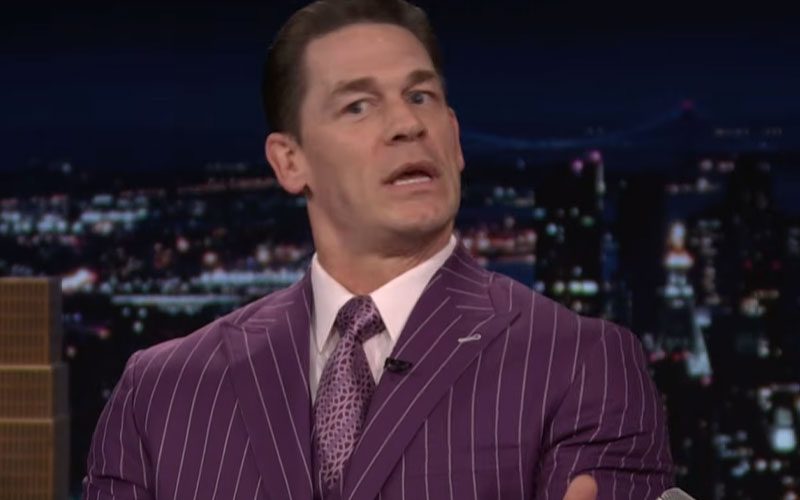
"I love data, when these numbers start to go down, you ask why," Cena explained when discussing his timeline.
According to recent coverage from WrestleTalk, the internal math stopped making sense right around the summer of 2024. The decision was clinical. He looked at the tape, calculated his declining velocity, and established a hard out.
The Engine Starts to Stall
Let's look closely at his offensive output. During the critically acclaimed United States Championship Open Challenge in 2015, Cena executed an average of 1.4 high-impact maneuvers per minute. That included suplex variations, top rope leg drops, springboard stunners, and the Attitude Adjustment.
He was a heavyweight working a cruiserweight's pace. Fast forward to his 2023 run, which culminated in a disastrous, lopsided loss to Solo Sikoa. That offensive output had crashed to just 0.4 moves per minute. He wasn't just doing less; he was struggling to execute the basics.
Consequently, he spent vastly more time on his back. In 2015, Cena spent roughly 42% of a match in a defensive posture, selling for his opponent before launching his inevitable comeback. Against Austin Theory at WrestleMania 39, he spent a staggering 78% of the match selling.
This highlights a glaring, uncomfortable flaw in Cena's late-stage ring psychology. Unlike The Undertaker, who masked his declining mobility by working heavily-gimmicked brawls, or Triple H, who slowed his matches down to a plodding, methodical pace, Cena stubbornly tried to wrestle his 2015 style in a 2024 body.
It was a tactical failure. He refused to adapt his moveset to protect his fading cardio. He called spots for a high-workrate epic but physically delivered a sluggish exhibition, making his opponents look like they were wrestling a ghost in slow motion.
Timing the Sequence of Doom
The most brutal metric of athletic decline is velocity. In professional wrestling, we can track this using the most recognizable sequence of the modern era. Two flying shoulder blocks. A spin-out powerbomb. The Five Knuckle Shuffle.
In 2011, during his apex rivalry with CM Punk, Cena completed this sequence in an average of 12.8 seconds from the first shoulder block to the fist hitting the mat. He relied on explosive burst speed off the ropes. It was crisp. The transition from the powerbomb to the hand gesture was immediate.
By SummerSlam 2021 against Roman Reigns, that same sequence took 19.4 seconds. The shoulder blocks completely lacked elevation. The gap between the powerbomb and the shuffle stretched out as he audibly gasped for air. He was visibly taking extra beats to find his footing and check his balance.
The mechanics of the Attitude Adjustment suffered a similar fate. In 2017, Cena could lift and rotate a 250lb opponent in a fluid 1.5 seconds. He generated torque entirely from his hips. By his final run, he required the opponent to actively post on his shoulder, extending the setup to over four seconds. It created a glaring, awkward pause in the middle of the ring.
The Win-Loss Ratio Deficit
Then there is the sheer competitive data. Cena built an empire on invincibility. Super Cena wasn't just internet forum complaining; it was a statistical reality engineered by the front office.
Between 2005 and 2015, his win rate in televised singles matches hovered relentlessly around 84%. He was the safest bet in combat sports entertainment.
Then came the cliff. From 2018 until his final exit, his televised singles win rate tanked to under 25%. He transitioned from the franchise player into a professional stepping stone. But even stepping stones need structural integrity to be useful.
Losing cleanly to Roman Reigns made narrative sense. Putting over Austin Theory was the correct business move, even if the execution was a mechanical failure. But taking a clean, entirely one-sided pinfall loss to Solo Sikoa at Crown Jewel was the statistical anomaly that proved the end was near. Cena looked completely depleted.
WWE's booking certainly didn't help. Instead of hiding his physical decline in multi-man tag matches or carefully structured brawls, they repeatedly booked him against younger, highly athletic talent. They exposed his lack of foot speed instead of protecting it.
The Merchandise Paradox
Here is the counterintuitive twist in the data. Usually, when a top star's win-loss record plummets and their match quality visibly degrades, their drawing power follows suit. Fans stop buying the shirts when the hero stops winning.
Cena completely defied this economic gravity. Despite his ring time dropping by nearly 80% over a five-year period, his merchandise numbers remained completely decoupled from his athletic performance.
WWE could print a new neon t-shirt, have Cena walk down the ramp, wave a customized towel, cut a five-minute promo, and sell 10,000 units by the end of the broadcast. He was generating top-tier revenue while delivering bottom-tier athletic output.
For a corporate executive at TKO, that is a dream scenario. Maximum financial return for minimum physical wear on the talent. But for a hyper-competitive athlete who closely monitors his own performance metrics, it was likely insulting. The data showed he was no longer a competitor; he was slowly becoming a mascot.
Walking Away Before the Math Got Worse
Professional wrestling is an industry built entirely on suspension of disbelief. Promoters exaggerate attendance figures. Wrestlers lie about their height and weight. Commentators inflate the severity of minor injuries to build drama.
But a spreadsheet is brutally honest.
Cena looked at his own tape. He counted the seconds it took to recover from a standard back suplex. He measured the declining vertical leap on his top rope leg drop. He tracked his own resting heart rate after a basic collar-and-elbow tie-up.
He saw the regression curve clearly. If he had stayed for another three years, stubbornly trying to push his body into his fifties, the numbers would have turned catastrophic. His legacy as an in-ring performer would have been completely overshadowed by his physical limitations.
Instead of letting the wrestling business squeeze the absolute last dime out of his failing joints, he read the data. He gave the promotion a definitive end date. He controlled the final, most important variable of his career.
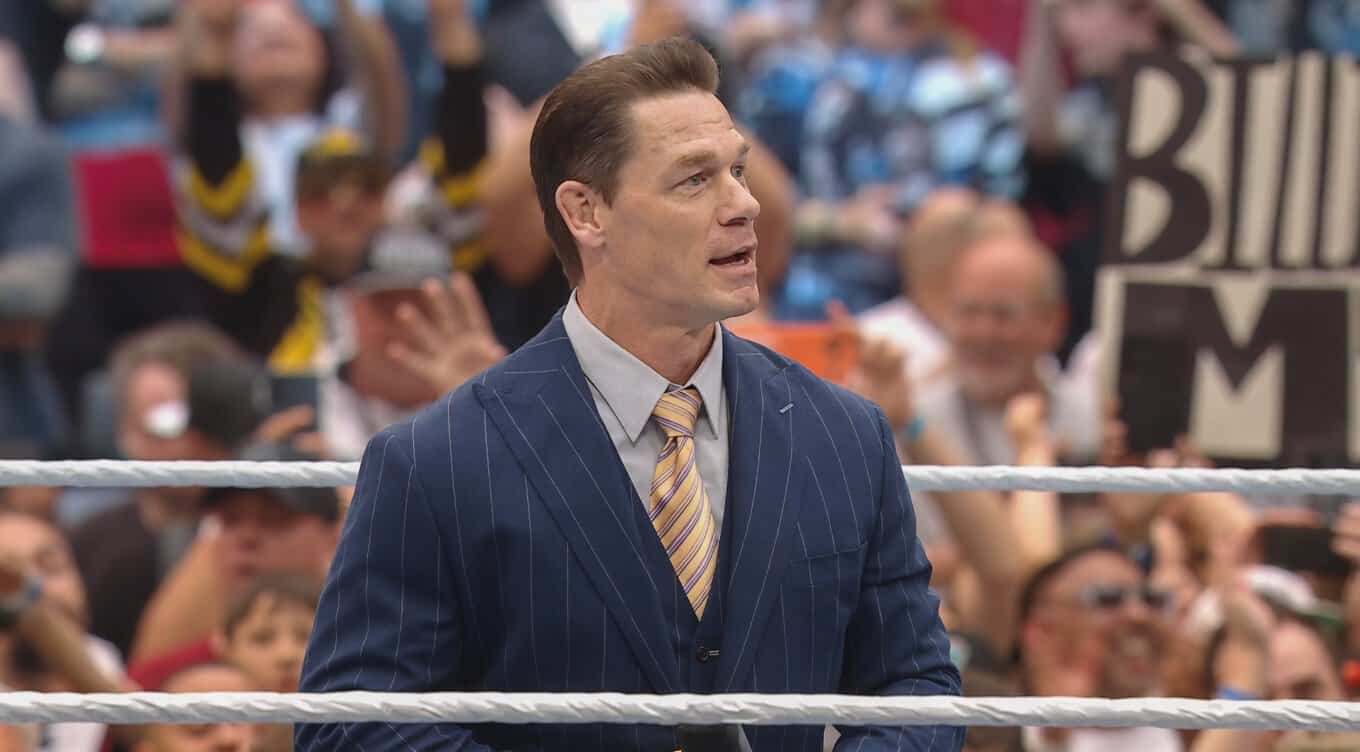
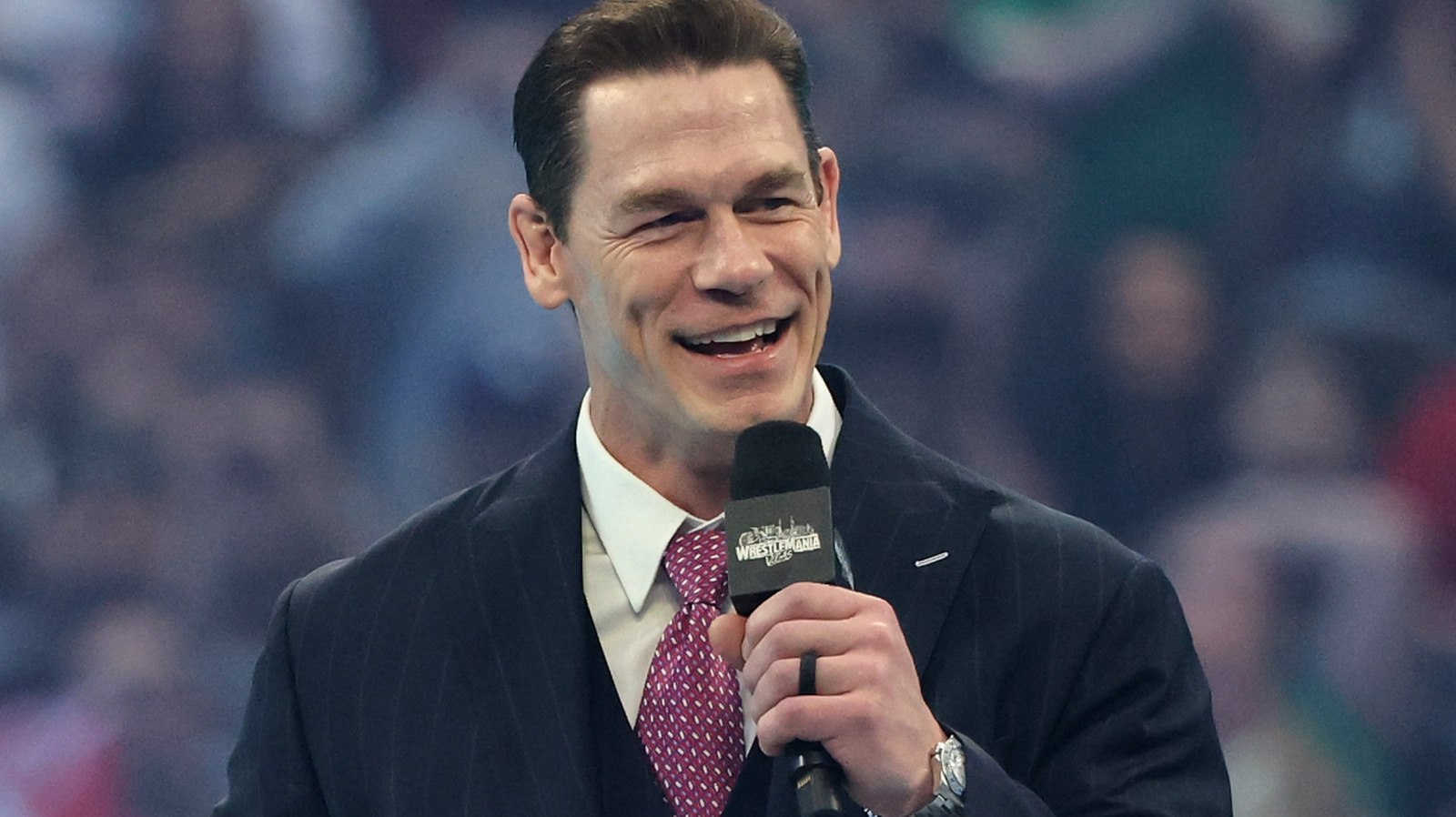
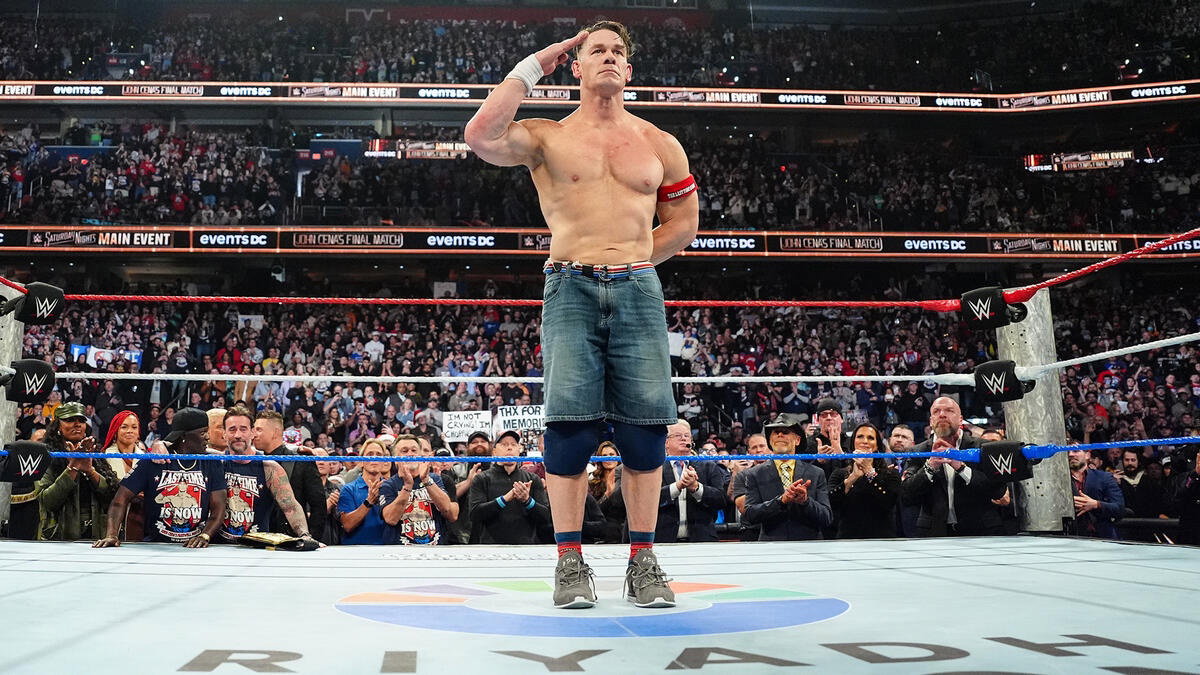
WrestleMania 41 was the grand finale. The matches on the farewell tour were carefully constructed smoke and mirrors, designed specifically to hide the very metrics that convinced him to quit in the first place. It was a masterclass in risk management. The numbers started going down, so the greatest of all time clocked out.