The stakes of professional wrestling's deathmatch circuit
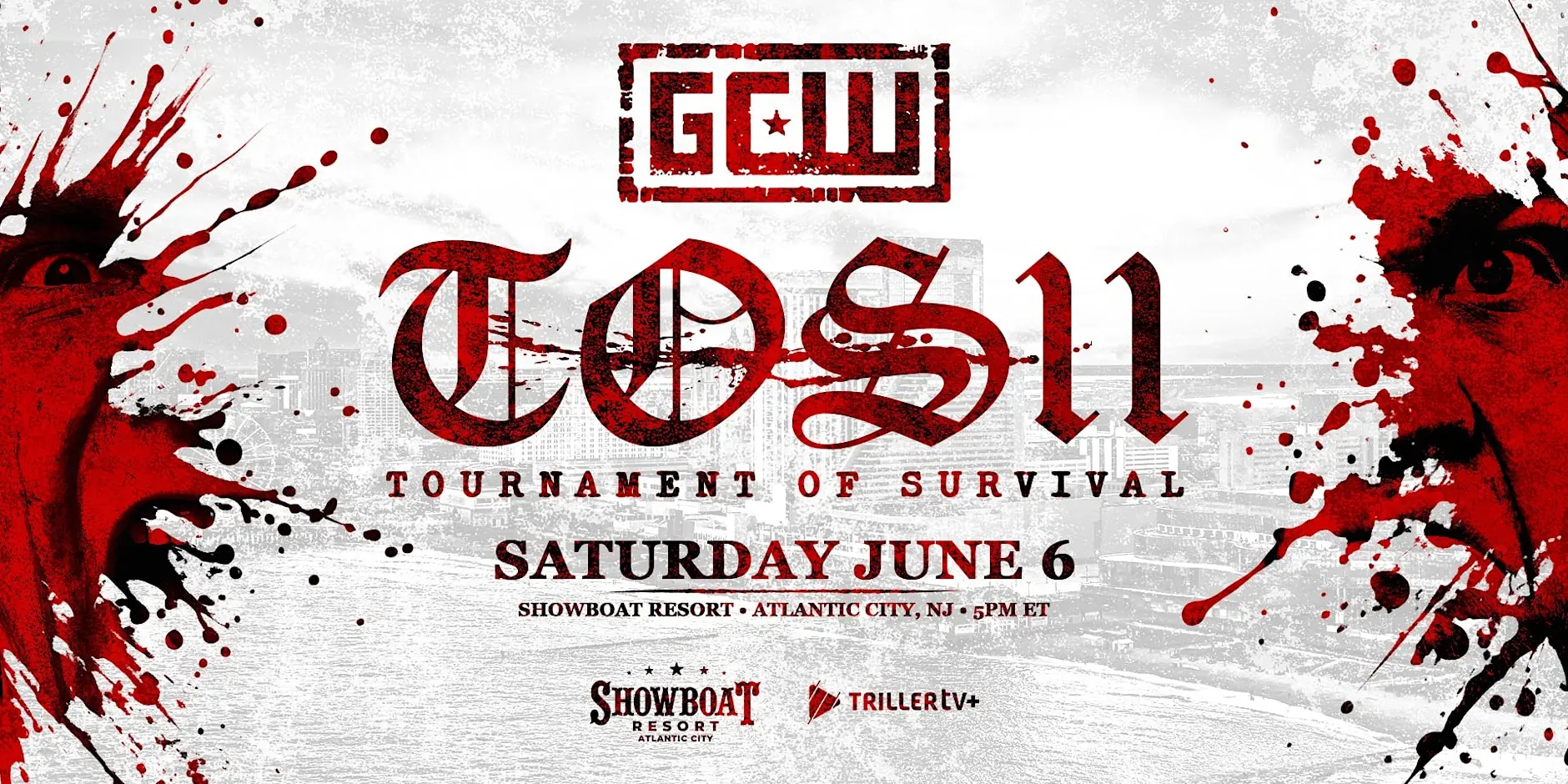
Jonathan Gresham is entering the GCW Tournament of Survival. This is not a standard stylistic fit for a wrestler known for technical chain wrestling and submission holds. GCW is widely known for high-impact, chaotic deathmatch wrestling rather than the mat-based sequences Gresham typically delivers.
Bringing a technician into a field defined by glass, barbed wire, and tubes creates an immediate curiosity factor. The tournament requires a specific set of physical adjustments that Gresham has rarely prioritized in his career. His entry signals an attempt to diversify his high-level credentials following his departure from major televised promotions.
Why this move carries significant risk
Gresham is a former ROH World Champion who built his reputation on crisp arm drags and transition-heavy wrestling. When you watch his work against opponents like Zack Sabre Jr. or Mike Bailey, you see a focus on precise limb work and pacing. Putting that skillset into a tournament where the primary objective is survival via extreme physical toll is a strange booking pivot.
There is a real risk of burnout or injury. Historically, wrestlers who transition to the deathmatch circuit without prior experience suffer from the change in rhythm. The pacing in these matches often relies on downtime for weapon setup, which conflicts with Gresham's high-velocity wrestling style. If he cannot adapt his work to complement the violence, he will stand out for the wrong reasons.
The strategic rationale for both parties
For GCW, this is about drawing eyeballs from a demographic that usually ignores their shows. As PWInsider reported, the inclusion of veterans and technical specialists in these brackets usually functions as a foil to the hardcore talent. It is a classic clash of fundamental wrestling versus extreme spectacle.
Gresham needs to rebuild momentum after years of shifting between independent promotions and major broadcast deals. Being viewed as a versatile wrestler capable of succeeding in a tournament as physically demanding as the Tournament of Survival would theoretically increase his value. It proves he is willing to do whatever the match requires to win, which is a traits promoters value.
Assessing the probability of a long-term transition
This is likely a short-term booking. Gresham is not a traditional deathmatch guy. He is likely testing the waters to see how his brand survives outside of the standard ring environment. Expect him to treat this as a showcase for his ability to adapt rather than a career shift into permanent hardcore wrestling.
If he manages to reach the final round, the promotion will treat it as a marquee achievement. However, the probability of him remaining in this circuit after the final bell rings is low. He will likely look to use the attention generated by this tournament to secure more conventional high-profile bookings elsewhere. You should expect him to return to a more traditional style after the event concludes.
The expected impact of the tournament run
The success of this experiment relies on the crowd's reception to his technical style in a hardcore setting. If he dominates the early rounds, it will look like a masterclass of ring generalship. If he gets out-brawled immediately, fans will view it as a failed crossover attempt.
Regardless of the outcome, the 1st round will be the most important portion of his journey. Every move he makes against his first opponent will be under scrutiny. If he manages to survive without compromising his core technical identity, he earns a massive win for his reputation as an elite professional.