The Independent Contractor Myth and the Physical Toll
Professional wrestling operates in a legal gray zone that would not survive scrutiny in any major professional sport. WWE performers are classified as independent contractors, yet they are subject to strict exclusivity clauses, rigorous travel schedules, and centralized creative control. This classification saves the company millions in payroll taxes, health insurance, and retirement benefits.
The physical cost of this arrangement is borne entirely by the talent. Consider the mechanical reality of a standard bump. A wrestler falls flat on their back from a height of four feet, absorbing the impact across their spine and shoulders. This generates deceleration forces comparable to a low-speed car crash.
Over a 200-match yearly schedule, the cumulative micro-trauma is staggering. A powerbomb on the ring apron or a dive to the concrete floor increases this impact exponentially. When wrestlers get injured, they must navigate their own rehabilitation without the institutional safety nets enjoyed by NFL or NBA players.
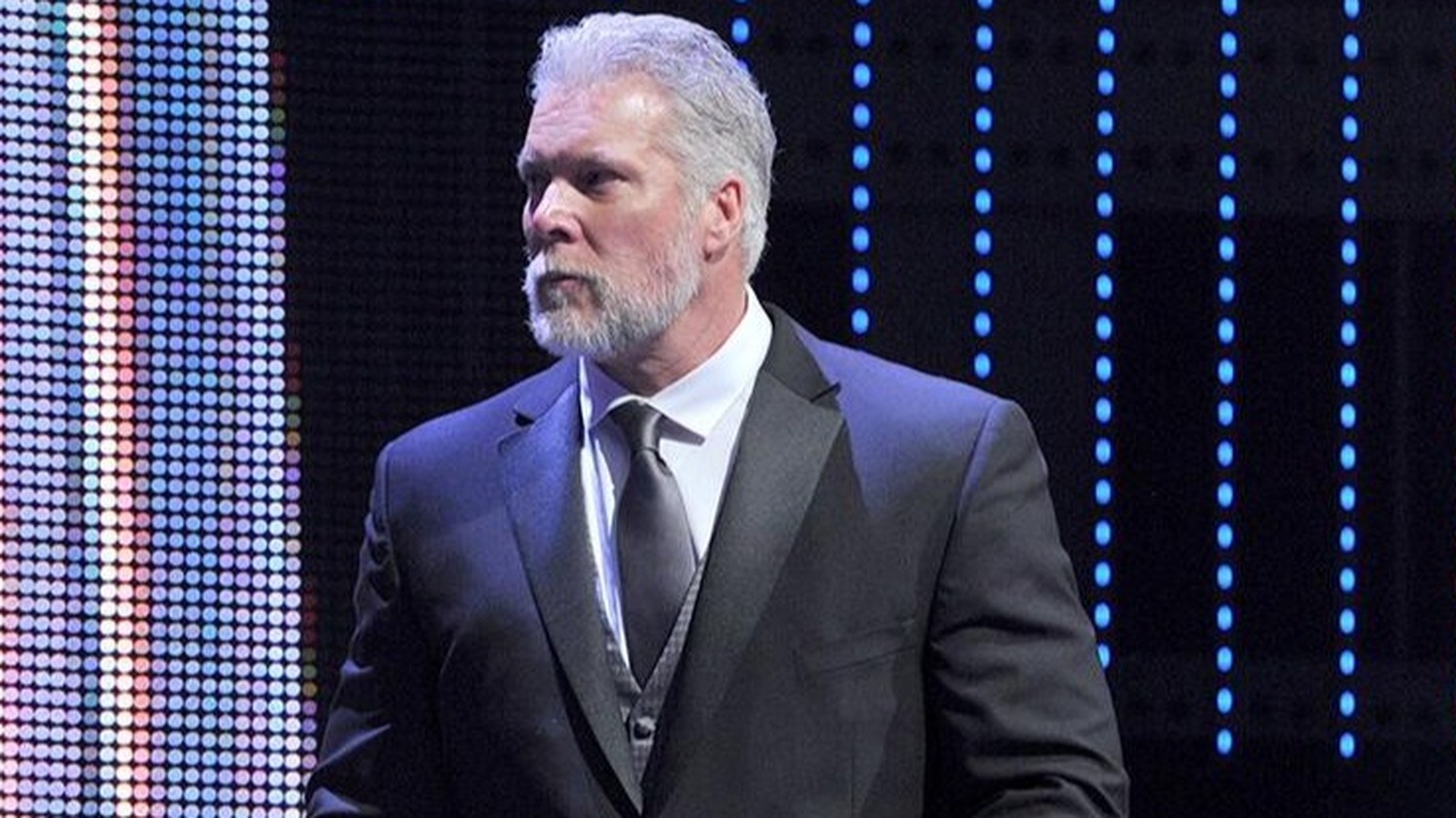
Kevin Nash knows this reality better than most. The former WWE Champion spent decades working a physical style that resulted in multiple quad tears, knee replacements, and chronic pain. Now, Nash is attempting to challenge this system from a different angle.
According to a Wrestling Inc report, Nash has made inroads with SAG and WWE to bring union representation to the roster. This is not a standard contract dispute. It is an attempt to introduce Hollywood-style labor protections to a sports-entertainment giant.
Why Kevin Nash is the Logical Labor Pioneer
Nash has always been a pragmatist in an industry dominated by marks. In 1996, he and Scott Hall jumped from WWE to WCW, securing guaranteed contracts that changed the industry's economic baseline. They refused to rely on the traditional booking system, where pay fluctuated based on Vince McMahon’s whims and live gate receipts.
Nash understood early that wrestlers were underpaid relative to the revenue they generated. Today, WWE's revenues have grown to billions, but the talent's share of that revenue remains stuck around 8% to 10%. In contrast, players in the NFL and NBA secure a 50% share of revenue through collective bargaining.
Nash’s unique position comes from his status as a dual-threat performer. He is a WWE Hall of Famer who also holds a SAG card from his work in Hollywood films like Magic Mike and John Wick. He understands both sides of the contract equation.
The current roster lacks this dual perspective. Most performers enter the system young, signing developmental deals that trade their long-term rights for a chance at television time. They do not think about pensions until their knees are bone-on-bone.
Nash is targeting the Screen Actors Guild (SAG-AFTRA) because WWE is, at its core, a television production company. The company produces over seven hours of live television weekly. The performers are not just athletes; they are actors performing stunt work in front of live cameras.
The SAG-AFTRA Blueprint and Corporate Playbook
The SAG-AFTRA Blueprint: How It Works
The mechanics of SAG-AFTRA representation would dismantle WWE's current business model. Under union rules, performers receive standardized health insurance, pension contributions, and mandatory rest periods. These benefits are funded by production companies through payroll surcharges.
To qualify for SAG-AFTRA health insurance, a performer must earn at least $27,000 in union-covered work annually. Every main-roster WWE wrestler easily clears this financial hurdle. However, because WWE is not a signatory to the SAG basic agreement, none of their wrestling earnings count toward union benefits.
This classification allows WWE to avoid paying millions into pension funds. It also protects them from paying residuals. When a fan watches a classic match on Peacock or Netflix, the performers involved receive little to no direct compensation for those plays.
Under a SAG contract, residual structures would be legally mandated. Every stream, replay, and international broadcast would generate checks for the talent. This would shift the balance of power from the corporate suite to the locker room.
The transition would also force WWE to address their grueling schedule. SAG rules strictly regulate work hours, overtime, and turnaround times. A wrestler could no longer be forced to fly from a Friday night show in Seattle to a Saturday live event in Florida without premium pay and adequate rest.
WWE's Defenses: The Corporate Playbook
WWE will fight this with every legal resource at their disposal. The company's legal department has spent forty years refining their exclusive booking contracts to withstand court challenges. They argue that wrestlers are independent contractors because they have the freedom to reject storylines or take time off, even though doing so often results in being taken off television and losing income.
The company also utilizes a 'divide and conquer' strategy in locker room relations. Top stars are given lucrative downside guarantees and downside protection that keeps them satisfied. These top performers have little incentive to risk their positions for the benefit of the undercard.
We must look at the historical failures of wrestling unionization to understand the scale of this task. In 1986, Jesse Ventura tried to organize the locker room before WrestleMania II. The effort failed when Hulk Hogan reportedly informed Vince McMahon of the plan, leading to Ventura being isolated and threatened with termination.
The locker room culture remains highly competitive and deeply paranoid. Performers know that their spot on the card is fragile. If they speak up about unionization, they risk being booked to lose matches, stripped of their titles, or quietly released when their contract allows.
This individualistic mindset is WWE's greatest defense. Wrestlers compete for minutes on television, merchandise sales, and main-event spots. In an environment where one person's success often comes at another's expense, collective action is a difficult concept to sell.
Additionally, WWE's corporate structure is now backed by Endeavor, a massive entertainment conglomerate that also owns the UFC. Endeavor has extensive experience managing non-union athletic rosters. They have successfully kept UFC fighters from unionizing despite years of public criticism over fighter pay.
The Impediments and the Final Verdict
The Strategic Impediments to Reform
There are significant structural differences between professional wrestling and traditional acting that make a SAG-AFTRA merger difficult. Actors work on projects with clear start and end dates. They audition, shoot for a few weeks or months, and then move on to other projects or other production companies.
Wrestlers, by contrast, are tied to a single promotion year-round. Their characters are often owned by WWE, meaning they cannot take their personas to other companies. If Cody Rhodes or Roman Reigns wanted to work for a rival promotion, they could not do so under their WWE names or gimmicks.
This intellectual property lock makes traditional union mobility impossible. A SAG actor can work for Disney one month and Universal the next. A contracted WWE wrestler cannot work for AEW or New Japan Pro Wrestling without breaching their contract.
Furthermore, the physical training and medical clearance systems in wrestling are managed internally. WWE employs its own medical staff, led by doctors who determine when a wrestler is fit to return to the ring. In a unionized environment, these decisions would likely be subject to independent arbitration, reducing WWE's control over their own storylines.
We must also criticize Nash's own history here. While he talks a big game about wrestler rights now, during his time as a booker in WCW, he was part of the management structure that protected top stars at the expense of younger talent. His sudden conversion to a labor advocate deserves a degree of skepticism.
It is easy to advocate for reform when you are retired and your financial future is secure. It is much harder to do so when you are a mid-card performer trying to pay off a mortgage and keep your spot on the traveling roster. Nash does not have to worry about being buried on Main Event.
The Prediction: The Corporate Defense Holds
Do not expect a sudden wave of unionization to sweep through the WWE locker room. The legal hurdles are too high, and the corporate resistance is too entrenched. Endeavor will fight any unionization effort with the same intensity they used to keep the UFC non-union.
However, Nash’s inroads with SAG will likely result in a compromise. WWE will make minor concessions to avoid a full-blown legal battle over contractor status. They may offer additional health insurance options or establish a voluntary retirement contribution program for senior performers.
But the core independent contractor status will remain intact. The top stars will continue to sign individual, highly lucrative deals, while the lower card will continue to bear the physical and financial risks of the road. Nash's efforts will highlight the hypocrisy of the system, but they will not dismantle it.
My prediction is clear: WWE will successfully lobby to keep their programming outside the jurisdiction of SAG-AFTRA. They will argue that the physical, athletic nature of their product makes it a sport rather than a theatrical production, exploiting the regulatory gaps between athletic commissions and entertainment guilds.
By the end of this contract cycle, the WWE roster will remain exactly what it is today: a collection of independent contractors working under exclusive terms, receiving no residuals, and carrying their own long-term medical risks. Nash will have secured his headlines, but the corporate machine will have secured its margins.