The viral clip fueling the fire
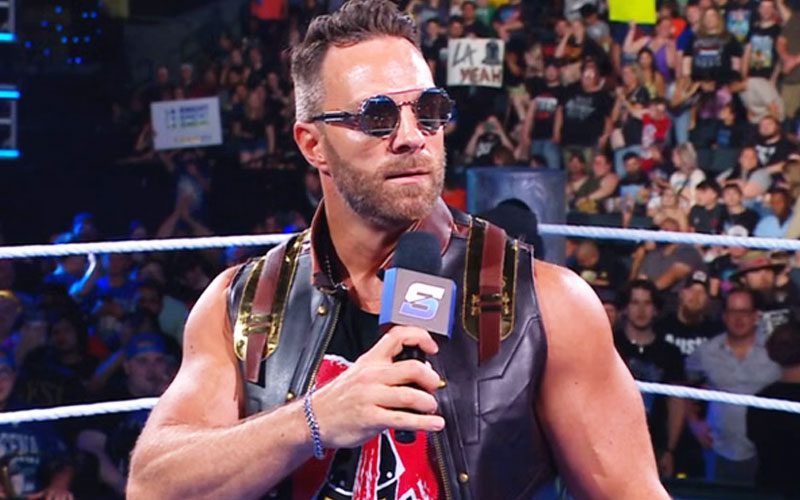
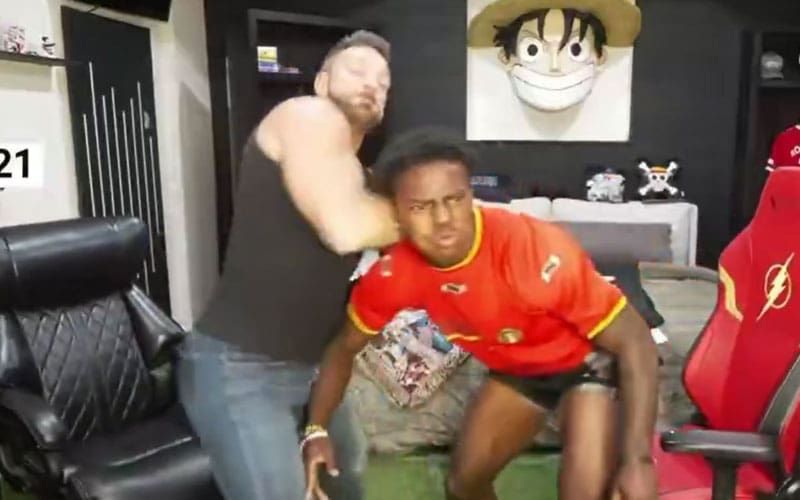
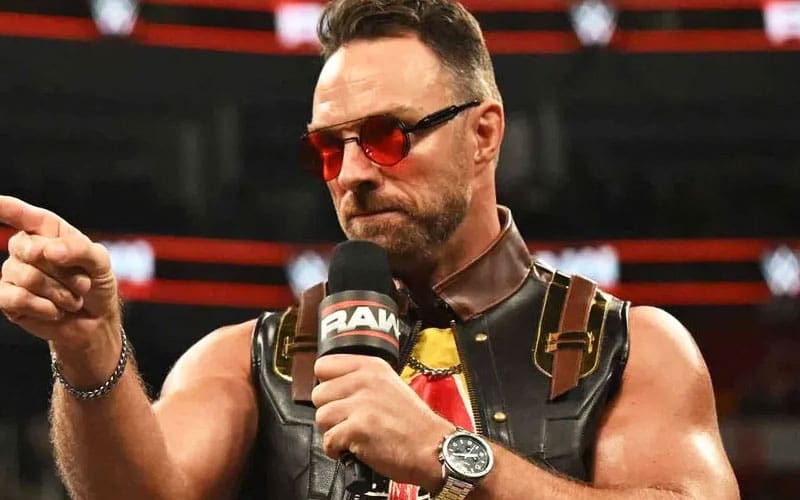
LA Knight has addressed the unauthorized distribution of footage from season two of WWE Unreal. The controversial clip in question, which surfaced shortly after the season premiere, prompted an immediate and visceral reaction from the performer. Rather than issuing a standard statement, Knight utilized the platform provided during a recent appearance on WWE Now at Fanatics Fest to clarify his stance.
The footage, captured during an intense training session, highlighted a moment where Knight expressed clear agitation with production elements. Fans were quick to speculate on the legitimacy of the outburst, with many questioning the blurring lines between staged reality series and authentic behind-the-scenes friction. Knight confirmed the anger depicted in the clip was legitimate, noting that the context omitted by the edit misrepresented his professional standards.
Turning animosity into revenue
In a move that mirrors his established on-screen persona, Knight pivoted away from standard PR damage control. He chose to monetize the discourse by launching a new line of merchandise centered on the specific moment of frustration. The strategy is simple: control the narrative by owning the imagery, effectively turning a potential brand liability into a retail asset.
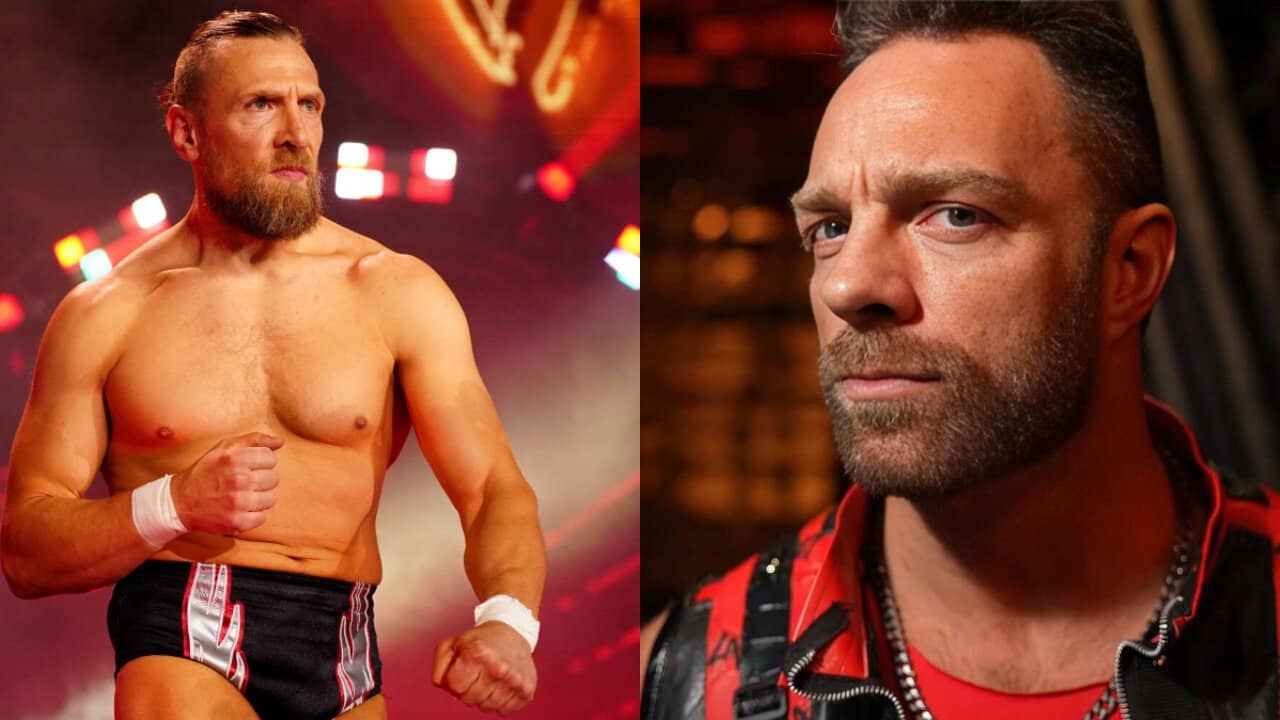
Recent industry commentary from Bully Ray suggests this approach resonates with the current fan base’s appetite for authenticity. The parallel drawn to the Daniel Bryan momentum suggests that when fans perceive a disconnect between a talent and the machine behind them, engagement levels spike. By leaning into his genuine irritation, Knight reinforces his "defiant underling" brand identity.
The strategic risk of scripted reality
The reliance on series like WWE Unreal presents a unique set of challenges for talent. When production staff prioritize high-drama edits over the reality of the performance center, the burden falls on the wrestler to correct the record. Knight’s decision as reported by WrestleTalk prioritizes audience perception management over traditional corporate silence.
However, this strategy is not without its pitfalls. By legitimizing the footage through merchandise creation, Knight effectively validates the platform that caused the frustration in the first place. The Ringside News coverage confirms that the merchandise is already moving units, proving that his core audience cares more about his reaction than the actual content of the clip. This highlights a shift in consumer behavior where the "meta" narrative is often treated as more valuable than the scripted product.
Industrial context and precedent
Historically, wrestlers who lean into their perceived "heat" with management or production tend to see a direct correlation to merchandise sales. The shift from a performer simply working a character to becoming a brand-manager of their own controversy is accelerating. The modern fan acts as a judge and jury, and Knight is playing to the gallery with surgical precision.
There is a critique here, however, regarding the dilution of his character. By constantly pivoting to address "unreal" scenarios, the focus often drifts from his in-ring output to his reaction to internet fame. If he spends too much time capitalizing on viral moments, he runs the risk of becoming a personality whose primary product is his own publicity cycle rather than his performance inside the squared circle.
For now, the strategy is working. The merchandise release has successfully shifted the conversation from the embarrassment of the original clip to an endorsement of his reactive brand. Whether this maintains long-term traction depends on whether the fan base grows tired of the constant meta-commentary, but for the moment, Knight remains one of the few talents capable of weaponizing his own public image for profit.