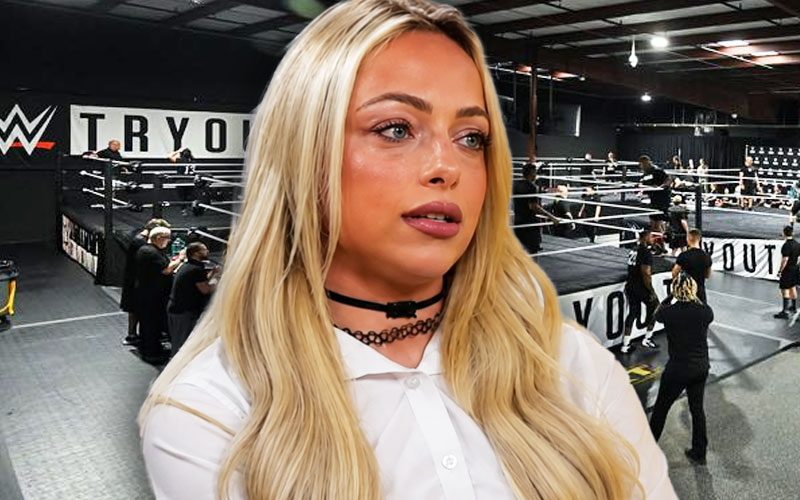
Pull up a barstool, grab a cold pint of the cheapest lager on tap, and let's talk about the latest bombshell to divide the wrestling internet. WWE Women's World Champion Liv Morgan recently sat down on Episode 672 of JaackMaate's Happy Hour podcast. She did not hold back, describing WWE tryouts as a physical meat grinder built to break hopefuls.
According to Liv, these tryouts are not about flexing or looking pretty in front of the cameras. The company uses a grueling three-day system to test who actually wants to be there and who is just chasing clout. As Ringside News reported, hopefuls drop like flies once the real work begins.
The structure she laid out sounds less like a job interview and more like a Navy SEAL selection process. Here is how WWE filters out the weak during their tryouts:
- Day 1: The introduction to the ring rules, basic cardio, running the ropes, and footwork across all six rings at the Performance Center, designed to completely gas out the recruits.
- Day 2: The introduction to bumping, where recruits learn back bumps, flip bumps, and front bumps, hitting the hard mat repeatedly.
- Day 3: The promo day, where officials test whether the survivors can hold a microphone, talk to an audience, and show genuine presence.
Liv admitted that the second day is where the dream dies for most candidates. Taking a bump is not a natural athletic movement, and it goes against every self-preservation instinct in the human brain.
“Like how to fall, how to hit the ground, how to fall properly. Back bump, flip bump, front bumps, all different kind of ways that you’re going to fall in a wrestling match. And that’s when people really start… quitting.”
Predictably, the internet has split into two very noisy camps over whether this process makes any sense in the modern era of professional wrestling.
The Traditionalists Who Love the Pain
On one side of the digital barricade, old-school fans argue that the Performance Center method works, pointing to Liv Morgan as the ultimate proof. Gionna Daddio was discovered in Wyckoff, New Jersey back in 2014 with zero prior wrestling experience. She survived the three-day trial, signed a contract, and is now the top champion in the women's division.
For these fans, a high attrition rate is a feature, not a bug. If you cannot survive basic rolls under coach Matt Bloom, you will never survive the road schedule. Traditionalists believe the tryout must filter out influencers who want fame without the bruises.
One forum commenter summed this up perfectly, arguing the ring is no playground. They wrote that if a prospect cannot handle a front bump on day two, they have no business sharing a ring with professionals. The Performance Center must weed out tourists early before WWE wastes money training them.
The Skeptics and the Outdated Gatekeeping Argument
On the other side, a growing number of fans think this setup is a relic that does more harm than good. They argue that forcing collegiate athletes to take repeated bumps on Day 2 is a recipe for disaster. Learning to fall safely takes months, not a single afternoon of exhaustion-fueled drills.
Critics point out that taking bumps when already gassed from running ropes across six rings increases the risk of concussions. They argue that WWE is essentially hazing recruits under the guise of testing their grit. Why force someone to perform flip bumps on their second day when they do not even know how to protect their chin yet?
“Yeah, people start just dropping like flies.”
A popular Reddit thread on r/SquaredCircle took a hard shot at this philosophy, with a user noting that the WWE tryout process is like testing a potential actor by throwing them off a building to see if they can survive the fall. They argued that some of the greatest talkers and characters in wrestling history would have failed this athletic test on day one. They think WWE is prioritizing CrossFit endurance over actual wrestling talent.
The Fight Over NCAA Recruits vs. Indy Darlings
This debate also touches the culture war between the indie scene and the WWE recruitment pipeline. Since launching the Next In Line program, WWE has focused heavily on signing NCAA athletes and powerlifters. Meanwhile, indie wrestlers spend years working for gas money in high school gyms, learning how to tell a story in the ring.
Indy purists argue that the WWE tryouts are designed for these college monsters rather than actual wrestlers. They believe that a three-day boot camp favors raw athletic stats over ring psychology and charisma. The critics point to the cookie-cutter style of many Performance Center graduates as proof that the system strips away individuality.
On the forums, fans of the independent scene are quick to point out that wrestlers like Bryan Danielson or AJ Styles did not need a three-day collegiate gauntlet to become legends. They learned the business through years of hard work and artistic expression, not by survival of the fittest in a corporate gym. They fear WWE is building a roster of athletic clones who lack the soul of true professional wrestlers.
Which Side Actually Has a Point?
Let's cut through the noise and look at the reality. While professional wrestling is an incredibly tough business that demands elite athleticism, the skeptics are absolutely right about the stupidity of Day 2 bumping drills for untrained rookies. Bumping is an art that requires muscle memory and proper coaching, not a physical test to see who can take a beating while exhausted.
The proof is in the history of WWE's own developmental system. For every success story like Liv Morgan, who managed to survive and thrive, there are dozens of college athletes who signed massive contracts, spent years at the Performance Center, and then walked away because they realized they hated the daily physical toll. Meanwhile, the company has repeatedly passed on brilliant indie performers who did not fit the exact physical mold of a Division I football player.
Ultimately, a tryout that prioritizes gassing people out over identifying charisma and storytelling is missing the point of what makes wrestling great. You can teach a charismatic person how to take a back bump, but you cannot teach a college track star how to have presence and connect with a crowd of ten thousand screaming fans. WWE needs to stop treating their tryouts like a military boot camp and start looking for the next great character, even if they cannot run ropes in six rings on their first afternoon.
Wrestling history is built on characters, not gym class superstars. The legendary Dusty Rhodes or Mick Foley would probably have been laughed out of the Performance Center on Day 1, yet they drew more money than almost any fitness model in history. If WWE wants to find the next generation of icons, they might want to look beyond who can run the ropes the longest and start looking at who actually has something to say.