The Indie Rebellion in Jersey City
Pull up a barstool, order a pint of the cheapest lager on tap, and let's talk about the absolute explosion that just rocked the wrestling internet. If you thought old-school territorial politics died when WWE started playing nice with local promotions, you were dead wrong. The WWE ID program just lit a match and threw it directly into a pile of dynamite.
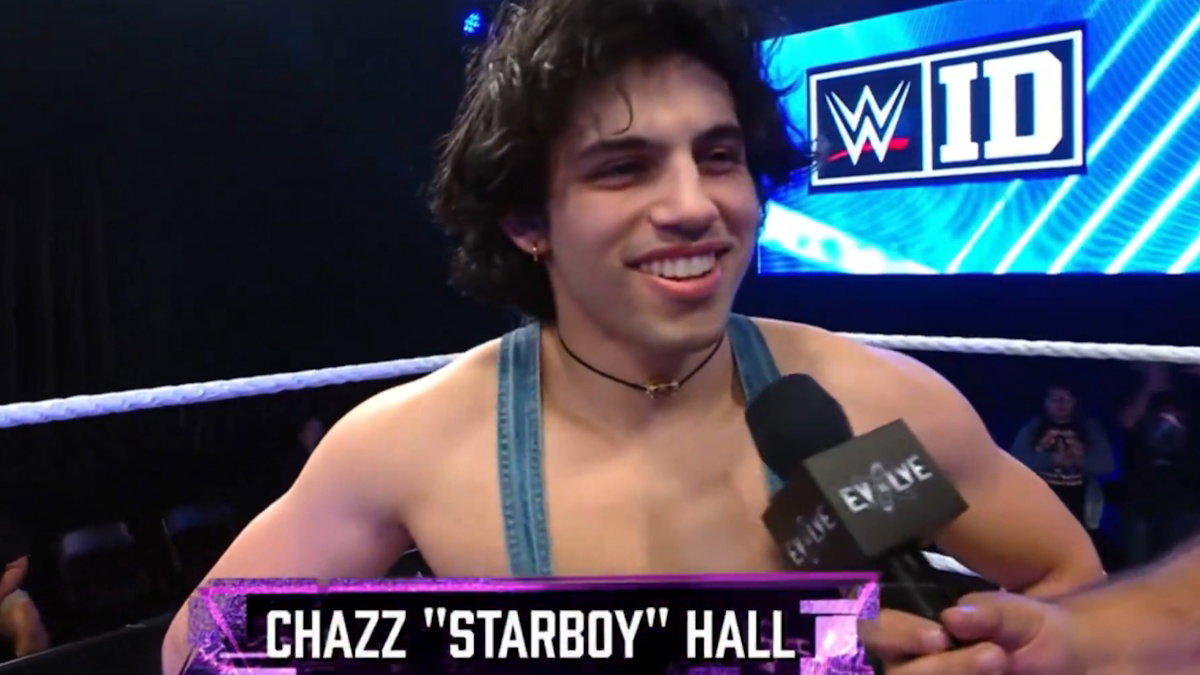
It all went down when PRODUCE Wrestling announced that two of the most promising young names on the scene, Marcus Mathers and Chazz 'Starboy' Hall, were pulled from their upcoming July 16 show in Jersey City. The promotion, run by Adam Abdalla, didn't hold back, pointing the finger directly at WWE’s developmental pipeline. Mathers was booked for the Magic Ticket Battle Royal, while Hall was set for a major singles spotlight, but both had to bow out due to last-minute WWE commitments.
This is where the gloves came off. Abdalla took to social media to blast the corporate giant, stating that the talent were promised a developmental grant but were instead utilized for cheap labor. The promotion followed up with a new rule: if you cancel a booked gig for another independent contractor role that is not a full-time contract, you are banned from PRODUCE forever.
The Direct Shots From the Frontline
Let's look at what the promoter actually said, because it is rare to see anyone in this business speak with this much chest. Abdalla clarified that he has no heat with the young wrestlers themselves, who are just trying to secure a future in a brutal industry. His target was the corporate machine that controls them.
It was to highlight the fact they were promised the equivalent of a grant program and were conned into doing scabwork. This should be widely understood. PRODUCE exists to serve our fanbase, but as an idea, also as an institutional critique that shines a light on practices that are designed to devalue the talent.
That is a massive accusation, and it highlights a growing resentment that has been bubbling under the surface for months. As WrestleTalk reported, the talent was pulled due to their WWE ID obligations, leaving the independent promoter scrambled to rewrite their card. Abdalla made it clear he was willing to take the heat if it exposed how these developmental deals actually work behind closed doors.
The Corporate War Behind the Scenes
The Streaming War in the Background
We cannot talk about this situation without looking at the corporate chess board. The PRODUCE show, titled Volume 2: Taigastyle, is scheduled to stream live on the MyAEW service. That detail is the smoking gun that has fans arguing in circles across every forum on the internet.
WWE ID was originally sold to the public in October 2024 as a benign program to support prospects while they honed their skills. But the moment a show streams on a platform with 'AEW' in the name, the corporate wall goes up. Fans are starting to realize that the program functions as a soft non-compete clause, keeping talent away from any promotion that might have loose ties to the competition.
It is a classic corporate strategy. WWE gets to control where these kids wrestle, who they lose to, and where their matches are broadcast, all without giving them a full-time NXT contract. For the wrestlers, it is a stressful balancing act between pleasing the Stamford executives and keeping their bookings on the local circuit.
The Internet is in a Full-Scale War
Go to any wrestling message board today and you will find three distinct camps yelling at each other about this situation. The first camp is the indie purists who are fully behind PRODUCE. They believe WWE ID is a Trojan horse designed to control the independent scene, strip it of its drawing cards, and eventually starve out smaller promotions.
On the other side of the room, you have the WWE defenders. Their argument is simple: Marcus Mathers and Chazz Hall are young athletes who need to pay rent. If WWE is offering them financial grants, training at designated schools like the Nightmare Factory, and a clear path to NXT, they would be foolish to turn it down for a Jersey City indie show.
Then you have the contrarians who are roasting both sides. If a promotion does not have its talent under exclusive written contracts, it has no legal or moral right to complain when a bigger player calls them up for a gig. The community is trading blows over these key arguments:
- The Indie Purist: WWE is using these developmental grants to control talent, control bookings, and strangle any show associated with MyAEW.
- The Realist: Mathers and Charlie have to look out for their own careers and wallets, and WWE ID is a ticket to the big time.
- The Contrarian: If indie promoters want exclusive loyalty, they need to sign talent to exclusive contracts and pay real money instead of complaining online.
The Reality of the Developmental Deal
Here is my take: Abdalla is right to be angry, but his new ban policy might end up hurting his own promotion. If you ban every young prospect who signs a WWE ID deal, you are eventually going to run out of fresh talent to book. The independent scene survives on the energy of these hungry kids, and locking them out only thins the herd.
However, WWE’s strategy is incredibly cynical. They are essentially running an exclusive club where they hold all the cards. They get the benefits of developmental talent without the financial commitment of a full NXT downside contract, which typically starts at a much higher salary than these independent grants.
It is a bad deal for the health of the broader industry. When you pull Marcus Mathers from a Magic Ticket Battle Royal on short notice, you do not just hurt the promoter; you hurt the fans who bought tickets to see him. It makes the independent scene look disorganized and secondary, which is exactly what the corporate office wants.
We are talking about guys who have put on absolute clinics in the ring. Just back in April, Chazz Hall (wrestling as Starboy Charlie) beat Marcus Mathers for the WWE ID Championship at FSW, executing a brilliant moonsault counter into a DDT. If these guys cannot showcase their standing diamond dust 999 or Bozo Buster on streaming cards, the entire sport suffers.
What Happens Next
The fallout from this dispute will likely force other promoters to take a stand. We might see a divide where some promotions fully embrace the WWE ID branding, while others reject it entirely to protect their booking freedom. The streaming war between WWE and AEW is no longer just fought on television; it is being fought in high school gyms and local armories.
For the wrestlers, the choice is becoming harder. Do you sign the deal, take the WWE money, and risk getting blacklisted by promotions like PRODUCE? Or do you stay fully independent, grind it out on MyAEW, and hope you catch the eye of AEW or international scouts?
One thing is certain: the era of the friendly WWE ID program is over. The battle lines are drawn, and the independent wrestling scene is about to get a lot more complicated for everyone involved.