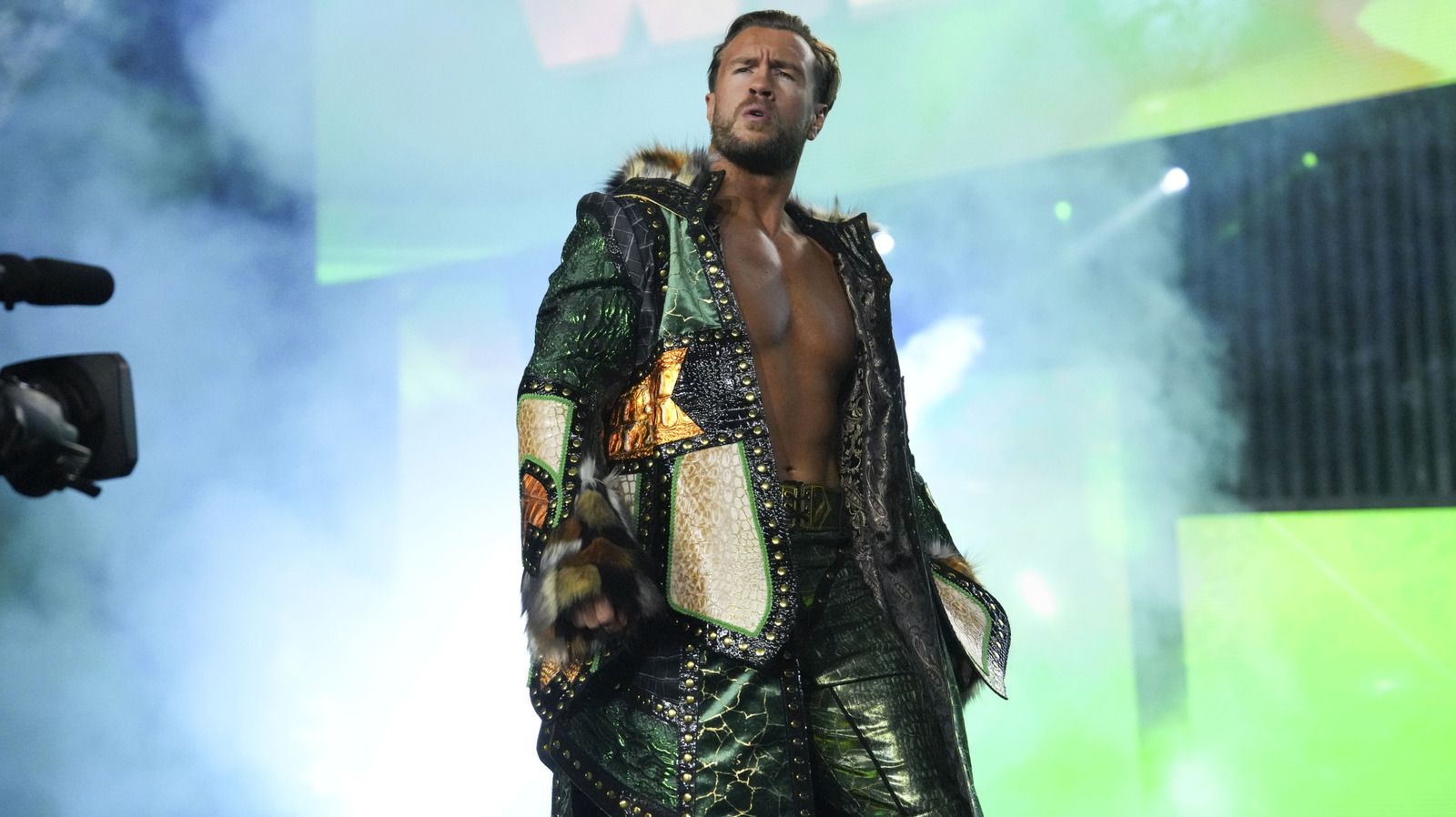
Tournament momentum halted by injury
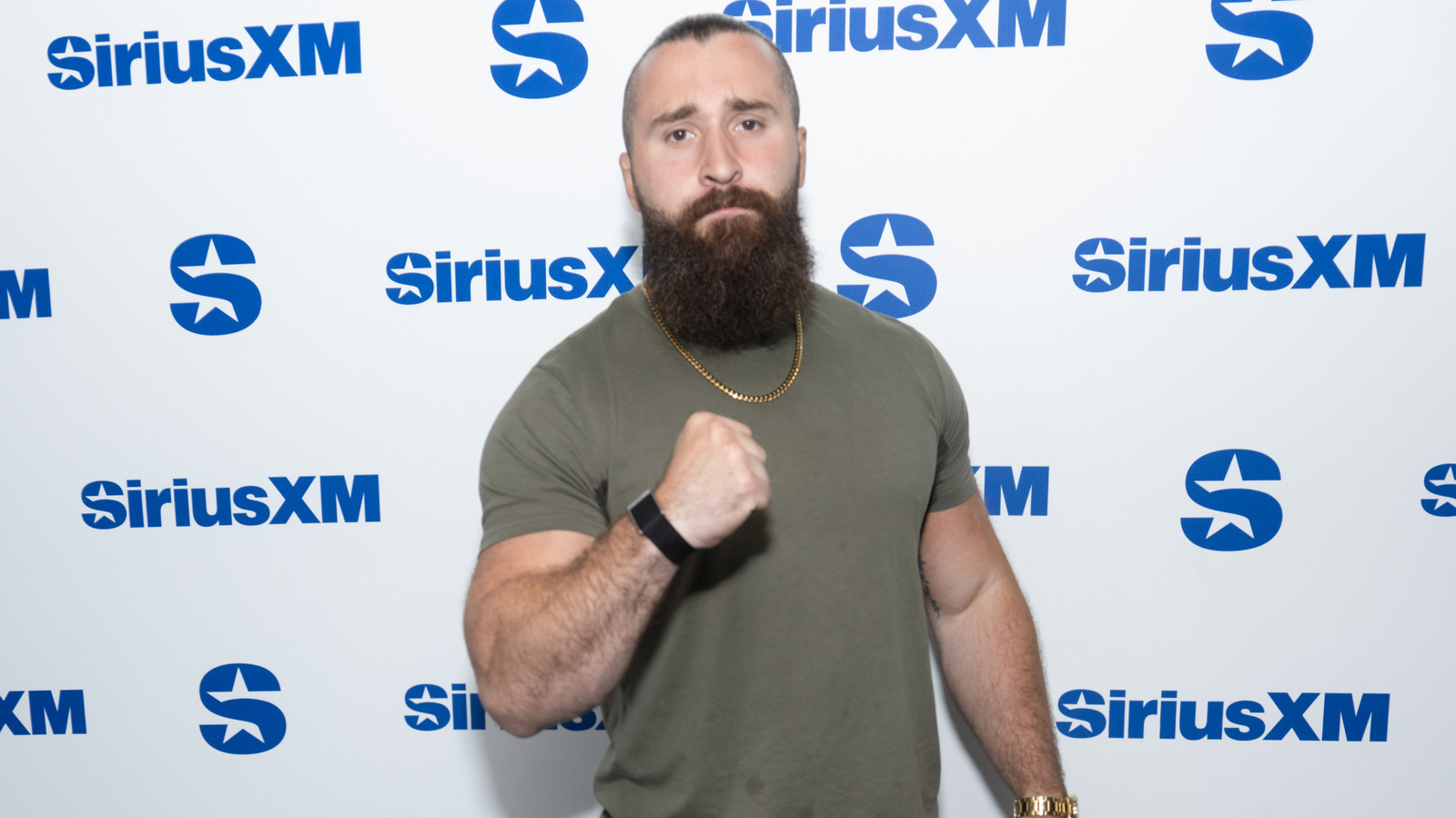
Mark Davis secured a hard-fought win on the May 27 episode of AEW programming to advance in the Owen Hart Foundation Tournament. Unfortunately, the aftermath of that contest yielded significant physical concern. Sources confirm Davis required immediate medical assessment following his victory over Kyle Fletcher. The nature of the injury appears to be a lower-limb issue occurring during the final sequence of the match.
While the victory stands, the forward trajectory for the United Empire representative is currently stalled. Medical staff are monitoring the situation closely during this 24-hour window to determine the severity of the damage. AEW management has not yet issued a formal timeline for his return to active competition. The bracket for the men's semifinals is already under scrutiny as internal logistics adjust for potential gaps.
Historical context and tournament implications
Tournament structures in professional wrestling often suffer when high-caliber participants are forced to withdraw mid-run. We have seen this play out repeatedly in various promotions, where a clean finish in the squared circle is negated by a post-match locker room diagnosis. When talent cannot compete, the booking often pivots to a bye or a replacement match, both of which deflate the stakes of earlier tournament rounds.
Brody King, who also advanced in the May 27 proceedings, moves forward comfortably. However, the absence of a participant of Davis's caliber disrupts the intended momentum of the bracket. Replacing a top-tier worker often requires a sudden babyface-heel shift or a forced substitute who lacks the storyline weight to win the trophy. It creates an awkward viewing experience for fans who invested in the original bracket configuration.
The competitive fallout
Losing a talent like Davis during a major tournament window is a blow to the quality of the product. The Owen Hart Foundation Tournament relies on consistent, high-output matches to deliver on its tribute-event billing. Without full confidence in the physical soundness of the remaining field, the office must now evaluate if they have adequate depth to cover for a potential absence.
From a strategic standpoint, this forces the booking team into a corner. Should they grant an automatic pass to the finals, they devalue the concept of a tournament. Should they run a last-minute qualifier, they risk overloading the schedule while the roster is already traveling for upcoming events. It is a messy situation that reflects the volatility of the wrestling business.
The broader industry impact
Medical issues inside the ring are a reality of the sport, yet they never fail to frustrate the creative process. The recent results in the Owen Hart tournament were intended to build toward a July finale. If injuries force significant changes now, that narrative build-up effectively hits a wall. Fans who track brackets and winners-take-all scenarios lose their sense of certainty regarding the promotion's direction.
Transparency remains a major issue for viewers demanding to know the status of their wrestlers before tuning in. The reliance on surprise absences creates a culture of speculation rather than focused analysis. Until the medical department provides a clear status update on Davis, the tournament remains in a state of suspended animation. It is a reminder that even the most carefully plotted storylines are at the mercy of physical durability.
Critical readers will note the lack of contingency planning for key tournament participants. Relying on a fixed bracket without accounting for the inherent risks of aerial and high-impact offense is a recurring flaw. The promotion must decide if they are willing to prioritize the bracket structure over the long-term health of their athletes. As it stands, the Owen Hart Tournament is currently in reactive mode rather than proactive.