The end of the NJPW World bridge
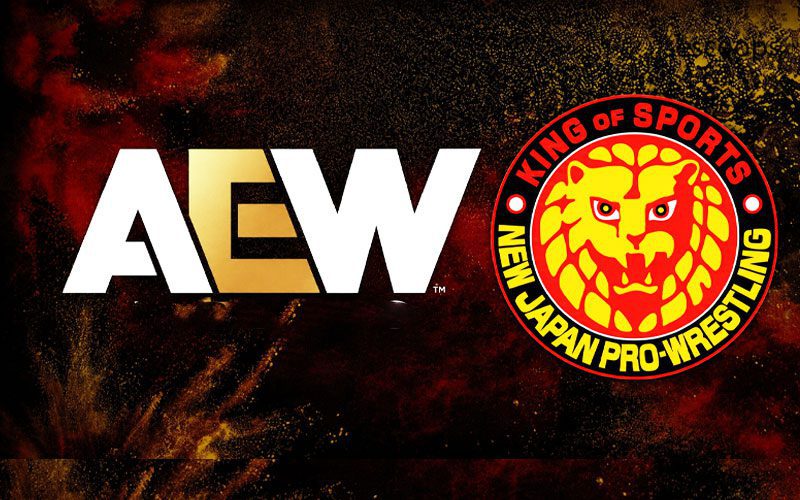
The operational ties between AEW and NJPW are fracturing. As reported by PWInsider, AEW content is being scrubbed from the NJPW World streaming library in Japan. This is not a technical glitch or a routine content refresh. It signals a shift in how the two promotions choose to share—or withhold—their intellectual property in the home market.
For years, this cross-promotional pipeline served both sides. It allowed NJPW fans to track AEW’s roster developments and gave Western talent international exposure. With the content being pulled, that visibility effectively drops to zero for casual Japanese subscribers. Access is the primary casualty here.
Creative friction and the talent trade
AEW currently leans heavily on its own internal booking cycles. We saw this at Double or Nothing on May 24, where Adam Copeland and Christian Cage claimed the AEW World Tag Team titles. Tony Khan described the duo as “red hot,” as WrestleTalk reported, emphasizing a focus on internal stars rather than external collaborations.
Thekla, the current AEW Women’s World Champion, further illustrates this move toward internal focus. Her work with the Triangle of Madness has been centered entirely within the AEW television environment. According to Wrestling Inc, her character development is anchored in her own heel persona, independent of her history in STARDOM or other international associations.
The strategic divergence
Why move toward isolation now? Perhaps AEW is prioritizing their upcoming domestic broadcast commitments. When you look at the recent championship booking, like the first title defense for the AEW World Champion following his May 27 win, the focus is squarely on drawing eyes to TBS and TNT, not building external goodwill with New Japan.
This creates a significant problem for roster members who rely on international fluidity to stay relevant. If you are a mid-card talent looking to work Japanese dates, the cooling of this relationship limits your options. You are no longer part of a unified streaming strategy; instead, you are competing for screen time in a fractured market.
Critics will argue this move is short-sighted. By cordoning off their content, AEW loses the ability to cross-pollinate fanbases during the slow summer months, especially with the 2026 World Cup beginning in June. The brand loyalty that thrives on discovery goes cold when the archive is deleted.
Predicting the impact
Expect fewer surprise cameos at Tokyo Dome-adjacent events. The operational split suggests that AEW and NJPW are shifting from partners to competitors in the digital space. This move effectively ends the era of shared prestige where titles were defended interchangeably across logos.
The likely outcome is a more siloed AEW. Talent will be more protected, but also more restricted. If you were banking on an AEW-NJPW crossover tournament this winter, reconsider those expectations. The streaming exit is the final nail in the coffin for that specific brand of collaborative booking.
The impact will be felt most by the Japanese fan who has no secondary way to watch AEW. They are being forced to choose, and in that vacuum, local New Japan product is naturally going to win out. AEW is sacrificing a reach of 500,000 potential viewers on the streaming platform in favor of total control over their own domestic broadcast footprint. Whether that gamble on exclusivity pays off remains the central question for the remainder of 2026.