The operational shift in Tokyo
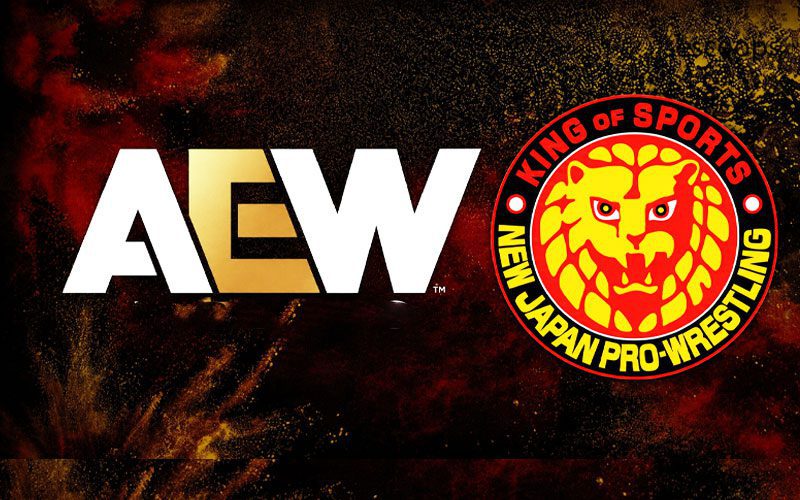
The murmurs surrounding the AEW-NJPW working relationship have intensified following reports that AEW content is being scrubbed from NJPW World in Japan. To the casual observer, this looks like the death knell for a collaboration that gave us Forbidden Door. To the tactical eye, it looks like a necessary reallocation of resources as Bushiroad navigates a changing market.
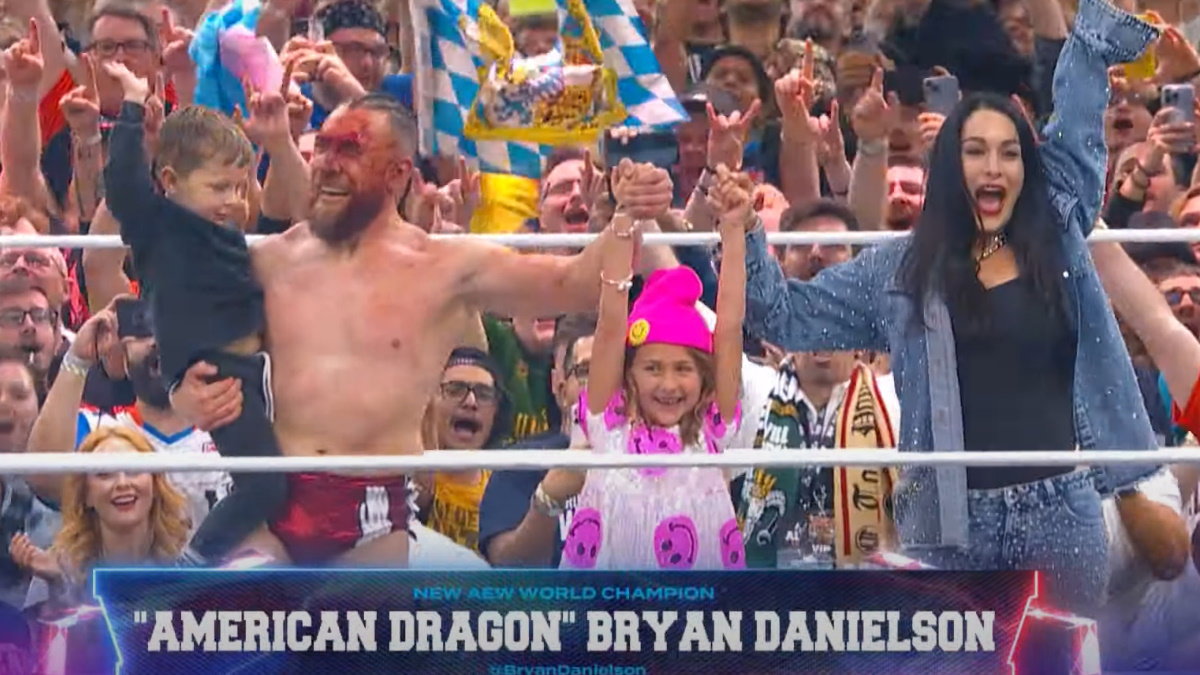
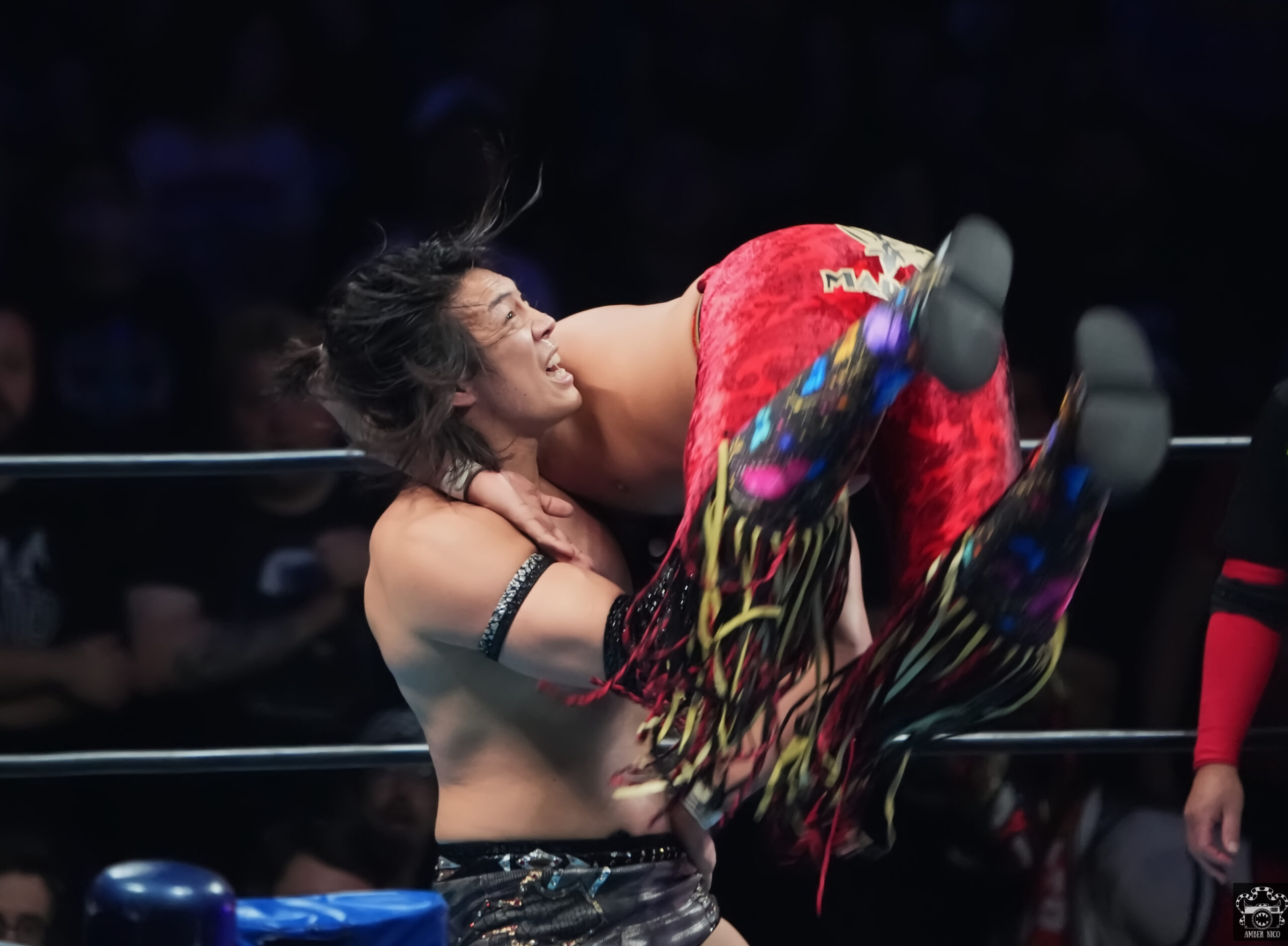
The partnership was never built on seamless distribution anyway. It was built on high-work-rate crossover matches that injected fresh blood into both rosters. If AEW programs vanish from a domestic Japanese streaming service, fans should focus on the live event calendar rather than the digital archive. Accessing a back catalog is secondary to the actual booking of high-stakes matches.
Why distribution moves represent wider friction
When media rights shift, revenue streams follow. NJPW is protecting its domestic digital footprint, which is a defensive measure against AEW’s influence. This isn't necessarily sabotage, but it is an acknowledgment that both promotions are currently operating as competitors for international audiences.
We have to remember the numbers. In the last year, crossover interest has peaked during the mid-summer stretch. If NJPW wants to keep its domestic subscribers, it needs to ensure the home product feels unique and exclusive. Allowing AEW content to live side-by-side with New Japan’s archive dilutes the product identity. That is a brutal marketing reality.
AEW content may be leaving NJPW World in Japan, but that does not automatically mean the AEW and NJPW partnership is in trouble.
What to expect in the ring
The in-ring synergy has remained strong even as the corporate side faces a period of adjustment. The core of this partnership is the talent exchange, not the server space. As long as the wrestlers are moving between Tokyo and Jacksonville, the artistic integrity of the collaboration holds.
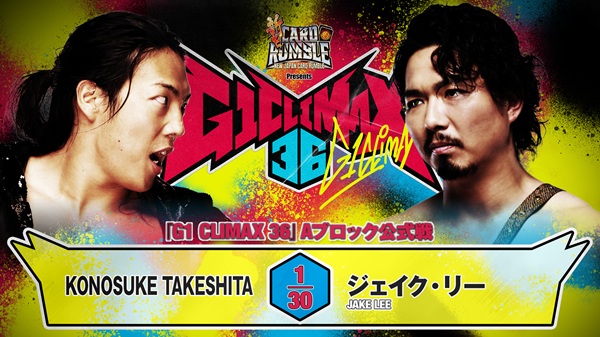
However, the lack of transparency regarding cross-promotional long-term booking is a failure of leadership. Fans deserve to know if the G1 Climax or the next iteration of the collaborative pay-per-views will feature the same depth of crossover. Recent scheduling gaps suggest that we are seeing less cohesion in the planning stages than we did in 2023 or 2024.
The prediction for the coming months
My read is that the partnership enters a period of contraction. The experimental phase is over. Both sides know exactly what the other brings to the table, and they are now haggling over the price of the dinner. We will likely see fewer mid-card swaps and a concentration of talent at the top of the card for major US shows.
Expect the next big collaborative event to feel less like a global festival and more like a targeted tactical strike. Fewer matches, higher quality, and less crossover baggage. It is a smarter way to book, even if it feels smaller to the viewer. Watch for the roster announcements in late June; if they are narrow and top-heavy, my hypothesis holds.