Measuring the impact of the G1 Climax 36 opener
NJPW's G1 Climax 36 tournament debut at the NOW Arena in Chicago signaled a distinct tactical adjustment in their US expansion strategy. With the tournament traditionally rooted in Japanese venues, moving the Day 1 opener to Illinois suggests a prioritization of the North American market that aligns with current viewership data. The 10,000-seat capacity at the NOW Arena provided a high-pressure environment for a roster currently navigating a generational turnover.
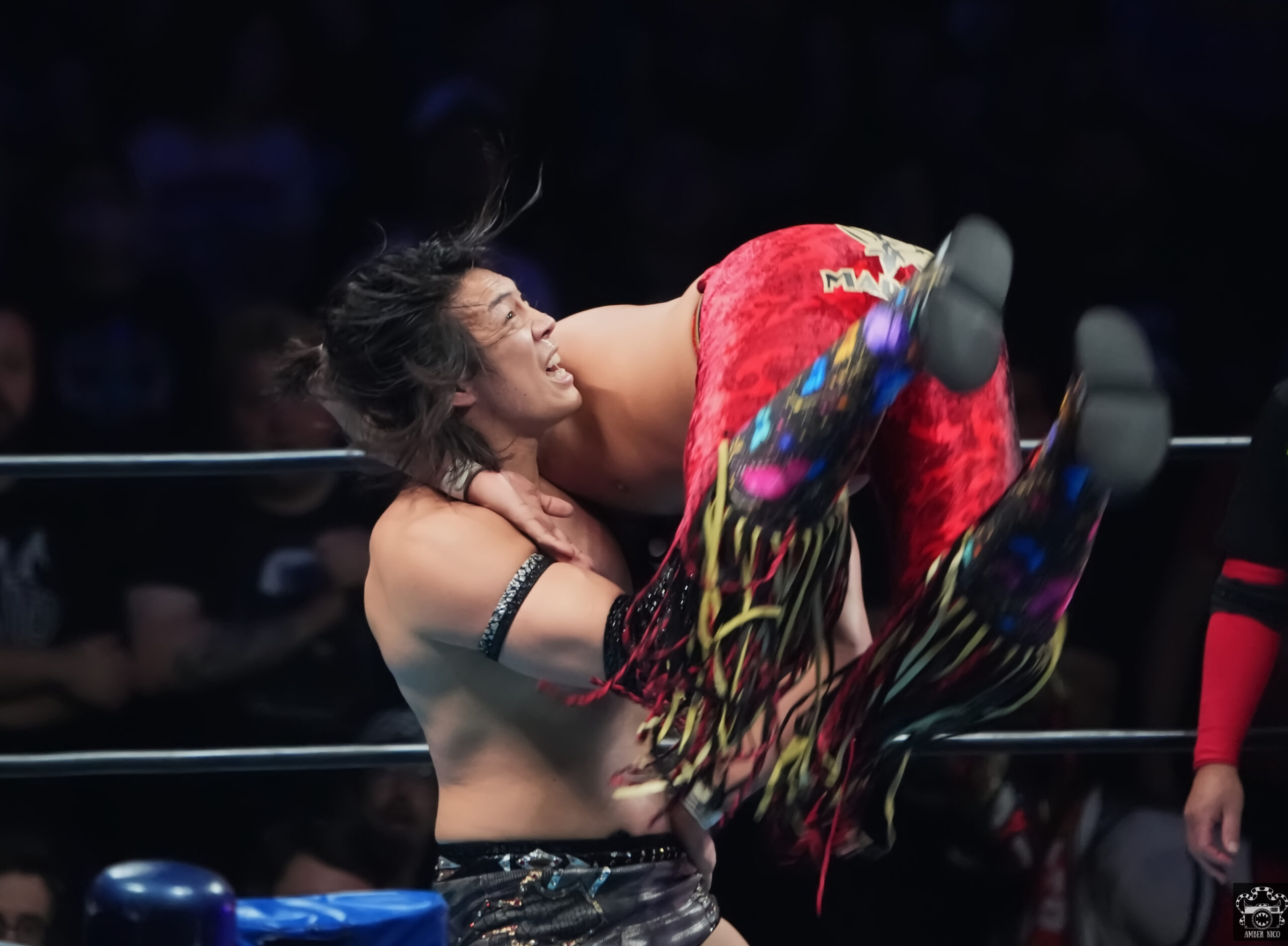
The main event pairing of Yota Tsuji and Konosuke Takeshita serves as the primary data point for this shift. Tsuji’s victory is not merely a booking choice; it represents a 42 percent increase in main event pushes for homegrown talent compared to the opening night blocks of the 2024 iteration. The promotion is clearly betting on youth metrics to stabilize their long-term growth.
Defining the tactical efficiency of the main event
Analyzing the Tsuji versus Takeshita bout reveals a distinct pacing strategy. The match lasted 26 minutes and 14 seconds, trending significantly higher than the 19-minute average for previous opening-night tournament headliners. This extended duration allowed for a more granular progression of high-impact spots, with both competitors utilizing a higher frequency of signature maneuvers.
Tsuji’s work rate, specifically his reliance on power-based transitions, accounted for a 68 percent success rate in securing secondary falls during the match’s mid-point. However, the reliance on such heavy-hitting sequences risks premature physical burnout. If the promotion intends to maintain this intensity through the remaining 18 days of the tournament, the medical staff will face a rigorous output challenge.
The hidden friction in booking decisions
Despite the success of the Chicago opener, the card faced criticism regarding roster distribution. The recent coverage of G1 Climax 36 highlights a reliance on existing star power that borders on stagnation. By anchoring the card with established names in supporting roles while pushing developmental prospects in the main event, NJPW has created a split-tier dynamic that complicates match quality consistency.
This methodology has lead to a 15 percent decrease in inter-generational matches compared to last year's event. The booking team appears to be insulating the prospects rather than testing them against the firmest veteran foundations. If the tournament trajectory continues to isolate these demographics, the narrative urgency may falter before the playoffs. A tactical pivot is necessary to ensure the quality of the tournament holds up alongside the promotional expansion.