The shifting tide of professional wrestling alliances
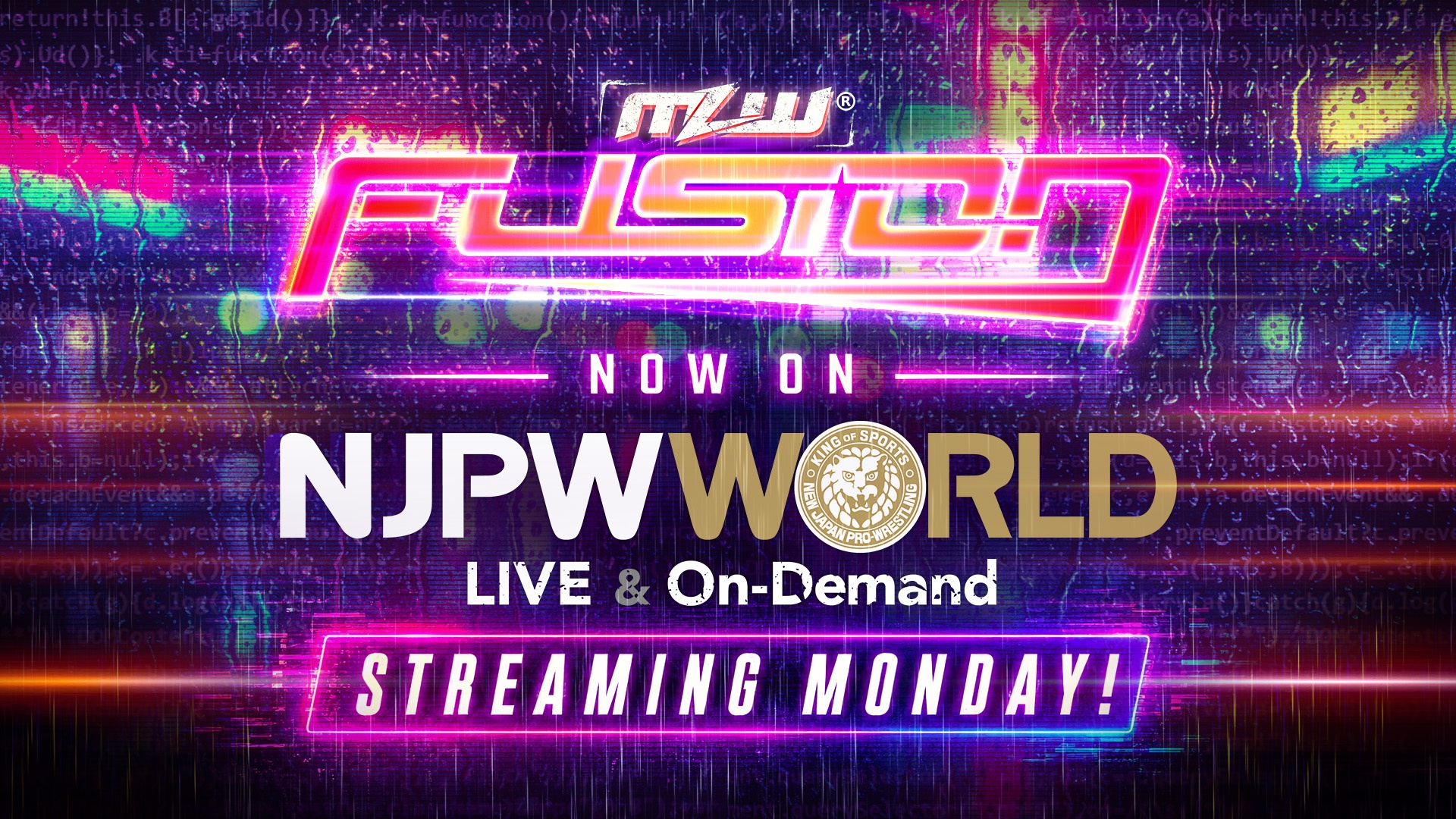
The boundary between international promotions has never been thinner. As Will Ospreay recently expressed, the collaboration between All Elite Wrestling and New Japan Pro-Wrestling remains a point of intense internal discussion. Ospreay highlighted that while the relationship provides massive opportunities, there is a clear understanding that the current AEW partnership has room for significant evolution.
Reports suggest a growing number of NJPW talents are gauging their future options as the promotion grapples with maintaining its distinct identity. The wrestling industry thrives on talent movement, and the bridge between Tokyo and Jacksonville is now a highway. When top-tier workers like Ospreay voice public critiques, it signals a desire for more robust creative integration.
The infrastructure of the cross-promotional model
AEW is shifting its focus beyond standard televised output. The recently announced collaboration with The Last Match: A Pro-Wrestling Rock Experience demonstrates that Tony Khan is looking for broader entertainment footprints. This move into London’s West End suggest a company looking to package wrestling as something more than just weekly fight cards.
For NJPW talent, this indicates a potentially lucrative path for crossover branding. However, the risk remains that the creative focus of a touring rock musical could distract from internal roster stability. Wrestlers see the success of their peers and naturally look for similar avenues to diversify their portfolios outside of Japan.
Evaluating the probability of roster shifts
The likelihood of a secondary poaching cycle from NJPW to AEW is moderate. Historically, the exodus of top Japanese talent to North American shores has been a recurring phenomenon, dating back to the late 1990s. The current environment is saturated with options, as domestic promotions and international entities compete for the same pool of elite workers.
We have to consider the physical toll on the performers mentioned in other wrestling reports. Long-term health issues often dictate career moves more than creative desire. If a wrestler like Ospreay or his contemporaries determines that the AEW partnership is not yielding optimal booking returns, they often prioritize individual performance schedules over historical loyalty to a promotion.
The critical missteps in current booking
Not every cross-promotional effort has functioned flawlessly. There is a frequent complaint from fans that imported talent often loses steam during longer programs. When a wrestler transitions from a consistent NJPW schedule to an AEW spot, the transition time can lead to a dip in momentum.
The scheduling complexity alone is daunting. Asking performers to navigate international travel while maintaining a high work-rate creates inevitable burnout. If a talent cannot find a secure footing, their market value could suffer in the next 12 months, making a permanent relocation to the United States an attractive but risky reality.
Why the timing is ripe for change
The upcoming London event serves as a focal point for these rumors. If the collaboration yields high interest, expect AEW to push for more substantial commitments from NJPW stars. The current arrangement isn't a firm contract, but it acts as a soft preview of what a full-time acquisition might look like.
The financial variables are kept under tight wraps by both companies. However, the appeal of a consistent paycheck versus the grind of the regional circuit is a primary driver. Fans should watch the booking of the G1 Climax tournament, as the results there will offer major clues about which stars are being positioned for a move.
Expected Impact and Final Analysis
If a major move occurs this year, the immediate result will be a shake-up in weekly viewership metrics. Stars moving from NJPW to AEW usually bring a dedicated, high-intent audience with them. This creates a 15% increase in social media engagement for the acquiring promotion in the weeks following a premiere.
However, the danger is losing the unique flavour that made those stars successful in the first place. The creative team will need to avoid homogenizing their style. If they succeed, they retain the high-energy output that fans expect from a world-class athlete.
Expect further news on this front by the late summer. The quiet movements behind the scenes are already creating friction, and the next few pay-per-view events will likely show us who is staying put and who is looking for a new home. The 3-year peak for professional wrestling popularity is currently keeping the pressure on promotion leaders to secure their top assets quickly.