The Don't Trust Your Partner match is a classic trope for a reason
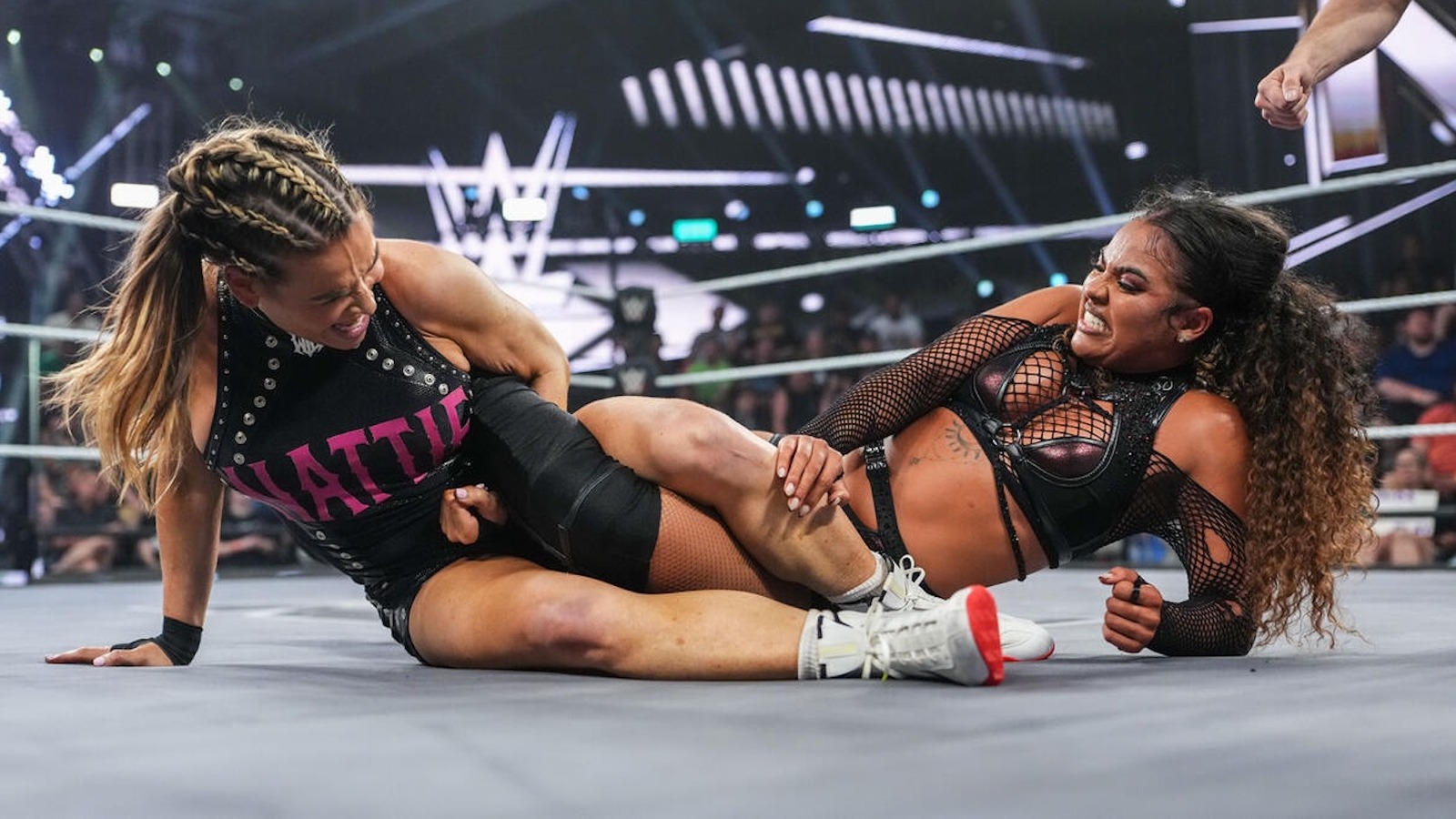
Professional wrestling is essentially a soap opera wrapped in a layer of spandex and athleticism. Nowhere is that more obvious than in the perennial disaster waiting to happen: the Don't Trust Your Partner tag match. Seeing NXT run this back on the June 17, 2026 broadcast reminded me exactly why I endure the inevitable chaos of booking teams with zero chemistry.
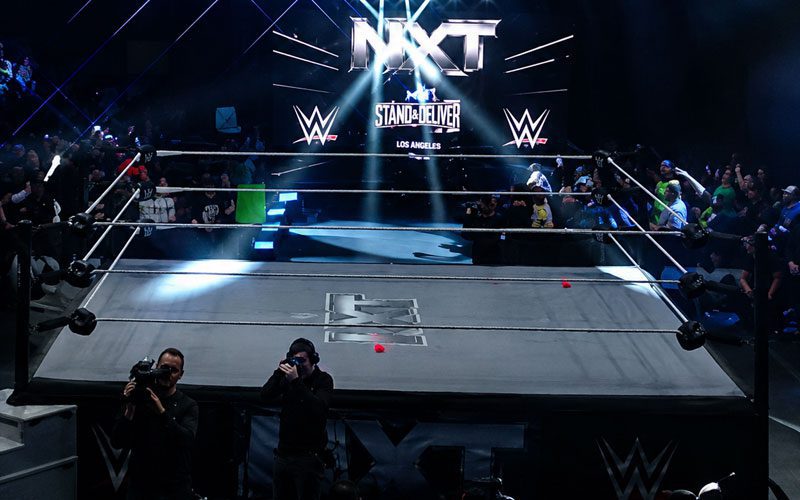
You can see the car crash coming from a mile away. It is the wrestling equivalent of being set up on a blind date with someone your mother claims is a perfect match, only to find out halfway through appetizers that they are currently embroiled in an active blood feud with your best friend. The tension in the Performance Center wasn't just physical; it was deeply uncomfortable television.
The psychological warfare of forced tag teams
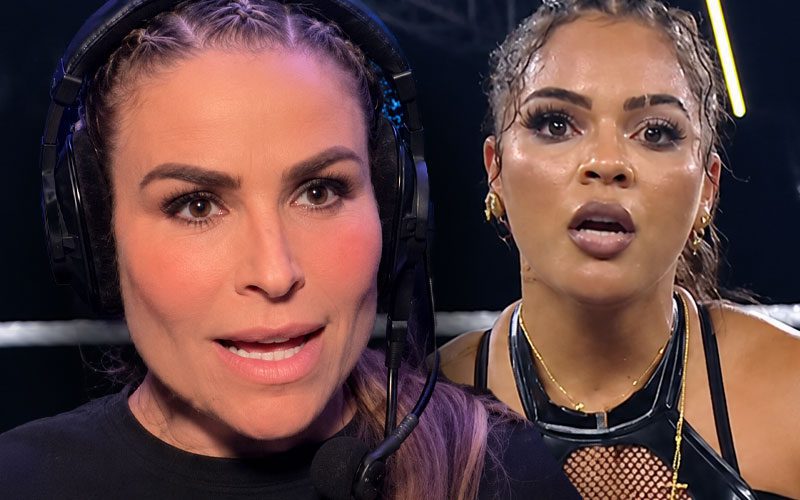
We saw Natalya recently show us how a veteran deals with the nonsense when she took out Jaida Parker on June 16, proving that professional standards still apply in the ring. You can catch up on how Nattie is done playing nice in NXT and honestly, it’s about time if you need a reminder of what actual leadership looks like. Conversely, these tag matches are the antithesis of team-building exercises.
Putting rivals together isn't about fostering talent; it is about watching egos collide in real-time. Much like the messy, shifting allegiances we saw when MLW and NJPW World are finally teaming up, NXT is banking on the idea that confusion creates intrigue. They want us to see if someone will break during a high-stakes hot tag or if they will intentionally sabotage the finish to get a leg up on their rival.
Why we cannot look away from the train wreck
There is a specific cruelty to this booking style that I find irresistible. When a referee loses control, which seems to happen every third match in the current NXT product, the match quality usually dips into sloppy territory. Precision takes a backseat to punch-ups and botched double-team maneuvers. It reminds me of the old WCW Saturday Night cluster-bookings where nobody even knew who the champion was anymore.
My biggest gripe is the sheer lack of payoff. These matches frequently end in a cheap roll-up or a disqualification caused by a partner hitting a finisher on the wrong person. It serves the narrative for a few weeks, sure, but it actively pulls down the average work rate of the show. Fans want to see sequences and psychology, not just four people arguing over who gets to tag in for the climax.
We are watching the product transition into this weird, hyper-reactive phase where character moments are prioritized over everything else. While I love that these performers have personality, I miss the days where the tag team division meant something beyond a collection of random enemies being forced to share a locker room. If you want a tag team to succeed, book actual teams, not just pairs of guys who spent the last month trying to hit each other with steel chairs.
Despite my rant, I sat through the whole thing. I am definitely going to watch the fallout on the next episode. I suppose that is why the bookers keep doing it; they know that even when I am annoyed, I am still paying attention. If you think I am being too harsh, remember that we are talking about a company that built its entire modern identity on the backs of some of the smoothest, most well-oiled tag team wrestling in the world. Scaling back to this kind of chaotic, unpredictable drama feels like a step backward, even if it is deeply entertaining in a train-wreck kind of way.
The current 50 percent hit rate on these match types suggests that we are headed for another month of internal bickering and accidental double-counts. Will it lead to a compelling program? Probably. Will it make me miss the days of actual tag-team specialists holding the gold? Absolutely. Keep your eyes on the finish next week, because when one partner eventually snaps, we know exactly who is going to be shouting the loudest on social media.