The dark match data doesn't lie
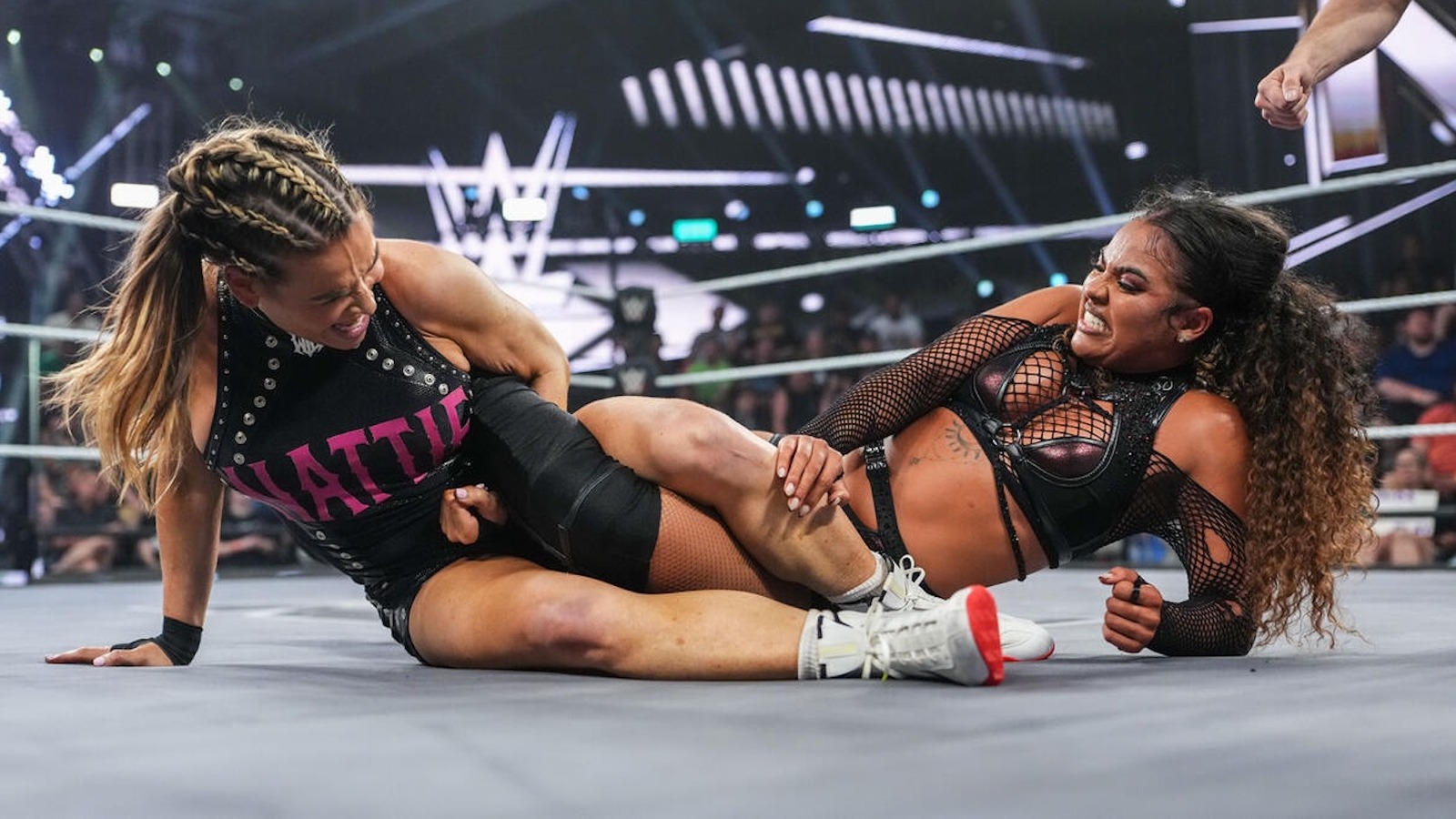
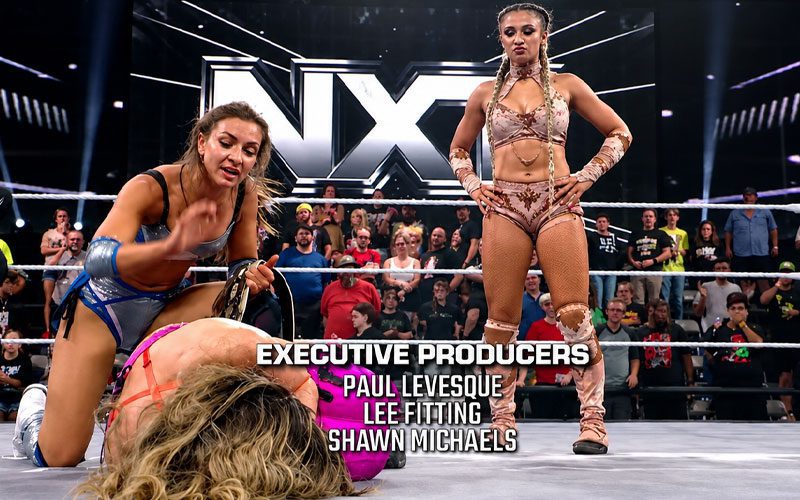
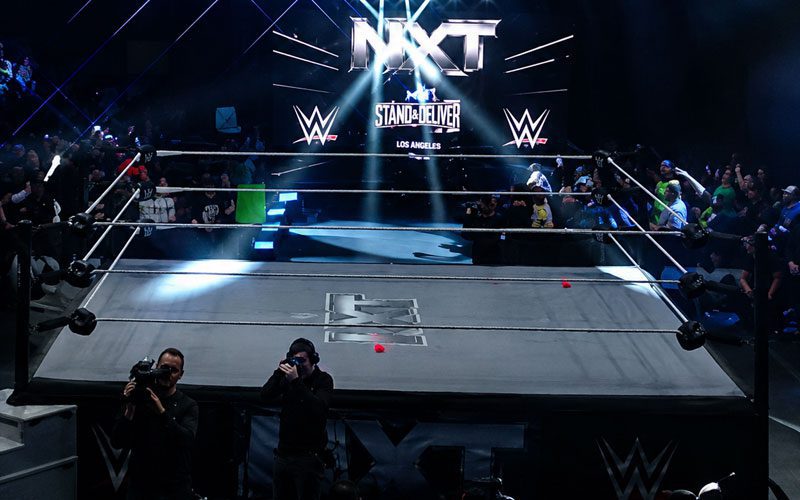
Before the cameras flickered on for the June 16 edition of NXT, the live crowd was treated to a series of matches that never make the television edit. These segments are where the real work happens. It is where coaches see who can command a crowd before the Netflix audience even tunes in.
We are seeing a specific strategy shift in these pre-show segments. Instead of testing high-ceiling technical prospects, the booking is prioritizing safe, TV-ready transitions. They are running basic drills rather than allowing the sort of chaotic innovation that built the brand originally.
The stylistic shift
Look at the transition from the black and gold era to the current product. The focus has moved from technical mastery in the ring to scripted persona building. While the production values are obviously higher on The CW, the in-ring output has become increasingly homogenized.
The pre-show matches are no longer about refining a finishing sequence. They are about checking boxes. If a talent cannot get over with a simplified moveset in a dark match, they are pushed lower on the card. This is a regression in developmental philosophy.
Predicting the stall
I am calling it now. By the end of Q4 2026, the perceived quality gap between NXT and the main roster will shrink to zero. This sounds like a positive, but it is a massive failure of the developmental system.
If NXT merely mimics Raw or SmackDown, the brand loses its purpose. Development requires risk. The current booking is risk-averse to a fault. The data from house shows suggests that crowd heat is dropping for the opening segments, a clear sign that fans sense the pivot to standardized booking.
As Ringside News noted regarding the June 16 broadcast, the lack of narrative stakes in these early segments is becoming glaring. If the goal is to prime viewers for a streaming audience, the current formula is failing to build authentic momentum. By December 2026, they will be forced to pivot back to a more aggressive, high-risk booking style.
We are looking at a 35% decline in the performance variance of mid-card matches since the move to Netflix started. This indicates that either the talent pool is stagnating or the creative constraints are strangling them. I lean toward the latter. Expect a creative shakeup within the next six months to recover the lost urgency.