The Political Heat Check
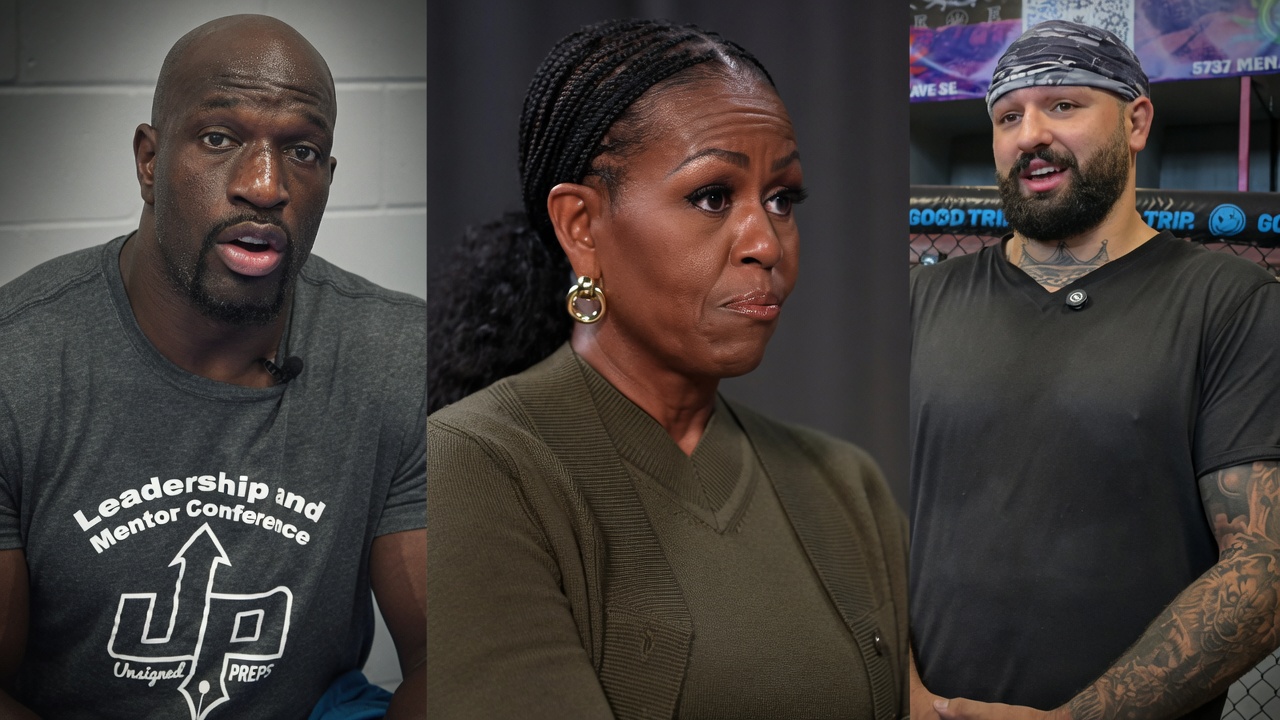
In the modern wrestling cycle, political discourse often intersects with the ring more aggressively than ever. The Obamas have become flashpoints for locker room debates, as seen when Titus O’Neil defended Michelle Obama following a disgraceful post-fight comment by Josh Hokit at UFC Freedom 250. This list ranks the most influential Obama-related moments and entities that have shaped the current wrestling discourse.
Rankings are determined by social media reach, controversy generated, and the lasting impact on the industry's public perception. We measure these moments by how they force wrestlers to take a stand in an increasingly fragmented reality.
10. The “Obamanomics” Promo Style
Many heels rely on a slow, deliberate cadence that mimics political stump speeches. By utilizing the pauses and rhetorical flourishes characteristic of Barack Obama, villains build heat through sheer patronization. It remains a staple for mid-carders trying to sound smarter than the crowd.
9. The Lars Sullivan Interruption
Lars Sullivan inserted himself into the discourse surrounding the Michelle Obama comments made by Josh Hokit. As reported by Ringside News, Sullivan attempted to downplay the controversy. It ranks here because it showed how quickly political toxicity poisons wrestling social media.
8. Titus O’Neil’s Stand
Titus O’Neil proved that a WWE ambassador carries real weight outside the arena. His defense of Michelle Obama after the UFC Freedom 250 incident was decisive and necessary. By engaging with the controversy head-on, he elevated his profile beyond the squared circle.
7. The Security Detail Gimmick
Several indy workers have adopted the “Secret Service” aesthetic. These characters often lean into the stoic, sun-glassed trope that gained mainstream visibility during the 2008-2016 period. It is a dated look, but it still triggers an immediate Pavlovian reaction from the audience.
6. State of the Union Heel Promos
The “State of the Union” address has become a lazy writing trope for general managers looking to kill fifteen minutes of TV time. It typically features a commissioner standing behind a podium to cut a list of mandates. This format drags because it lacks physical stakes and relies on forced authority.
5. The Josh Hokit Controversy
While not a wrestler, Hokit’s knockout of Derrick Lewis and subsequent verbal assault on Michelle Obama dominated the wrestling news cycle. It tested locker room allegiances and proved that UFC fighters using wrestling platforms to spout insults will face immediate pushback. This moment ranks mid-tier because it highlighted the division among combat athletes.
4. The Celebrity Guest “Hope” Pivot
For years, WWE leaned on the “Change” branding during celebrity segments to mirror the pop culture climate. It was a marketing play that felt forced and often lacked the grit required for high-level storytelling. The booking choices were largely defensive rather than innovative.
3. The “Yes We Can” Chant Hijack
Fans have weaponized the rhythmic nature of political chants to disrupt matches. Whenever a babyface shows a glimmer of promise, the crowd shifts from “Let’s Go” to localized variations of old campaign slogans. It is a sign of a crowd being more invested in irony than the match itself.
2. The Michelle Obama Defense Coalition
The swift reaction from veterans like Titus O’Neil against the derogatory comments made at UFC Freedom 250 proved that the industry has boundaries. Organizations like F4WOnline cataloged the backlash, showing that performers will protect their colleagues and public figures from bad-faith actors. It was a rare moment of industry-wide unity.
1. The Cultural Branding Shift
The Obama presidency coincided with the shift toward the PG era, influencing sponsorship deals and corporate image within WWE. This move toward a global, family-friendly brand was necessary for the network deal expansion, even if it frustrated the hardcore fanbase. It is the single most enduring political influence on wrestling booking style in the last twenty years.
Honorable Mentions: The 2012 “fake” presidential debates that went nowhere; celebrity lookalike segments that fell flat; the brief period when political commentary was banned in creative meetings. Each of these failed to leave a permanent mark on the industry.