The Strategy Behind Mike Santana's Jump to NXT
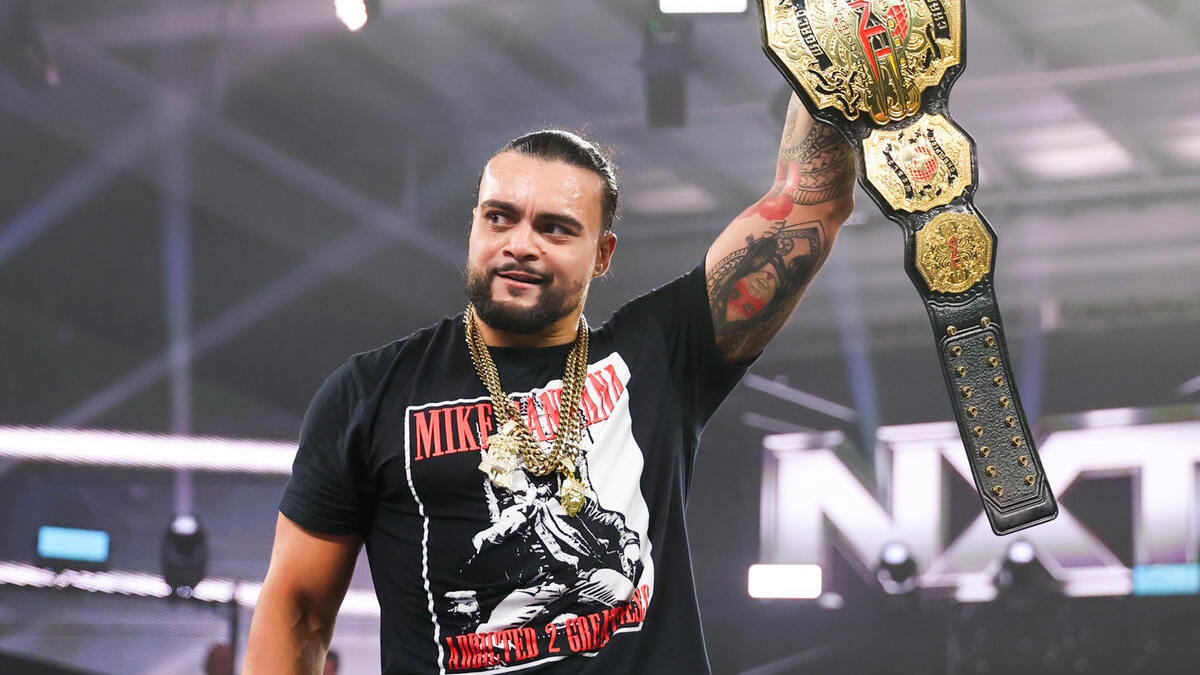
Mike Santana surprised the wrestling world on July 21, 2026, when he walked out on NXT and immediately confronted NXT Champion Tony D'Angelo. For fans expecting a direct main roster debut following his departure from TNA, starting under the Orlando developmental umbrella raised some eyebrows. But according to wrestling veteran Matt Hardy, landing in NXT is the single smartest tactical play Santana could have made.
Speaking on his podcast, The Extreme Life of Matt Hardy, the multi-time tag champion explained that bypassing NXT to go straight to Raw or SmackDown often dilutes a wrestler's initial momentum. In Hardy's view, the white-hot NXT environment allows a worker to build immediate value within the WWE machine rather than getting lost in the shuffle of three-hour network broadcasts.
Hardy noted that Santana's career trajectory over the past two years proves that taking the hard road pays off. After walking away from AEW in early 2024, Santana gambled on his own abilities, rebuild his stock in TNA, and eventually captured the TNA World Championship twice before negotiating his jump to WWE.
Betting on Himself: From TNA Champion to WWE
Walking away from guaranteed money is a risk few wrestlers are willing to take in modern sports entertainment. Santana did exactly that, betting his financial security on his ability to elevate his singles game outside the tag-team shadow of Proud and Powerful. According to Hardy, that sacrifice cleared the pathway to his current WWE deal.
I was very happy for Mike. I know Mike's goal was to be in WWE when it was all said and done, and he's made it there.
Hardy, who spent extensive time working alongside Santana in TNA, praised his dedication to the craft and his personal motivations as a father. But while the sentimental story of reaching WWE is compelling, the actual business reality of navigating the NXT system requires a completely different mindset. Starting at the Performance Center level means earning respect from a completely new locker room and audience.
Building Equity in the WWE System
The main roster can be a meat grinder for established independent and rival-promotional talent who skip the NXT brand. We have seen countless stars arrive with massive reputations only to stall out within six months because the casual audience was never given time to invest in their persona.
Hardy emphasized that launching his WWE run in NXT gives Santana the necessary runway to establish his core brand identity with the company's hardcore fan base first. By going toe-to-toe with established NXT figures like Tony D'Angelo, Santana gets to frame himself as a top-tier contender from week one rather than fighting for five minutes of television time on Friday nights.
The move is not without its risks. NXT's fast-paced, episodic television schedule demands immediate mic work delivery and constant adaptation to WWE's distinct camera blocking and production habits. If Santana fails to connect immediately with the Performance Center crowd, the momentum generated from his two TNA World Championship reigns could evaporate fast.
The Road Ahead: High Expectations and Immediate Pressure
Santana enters NXT at a critical turning point for the brand. With major live events approaching on the summer schedule, the NXT men's division needed a credible, battle-tested challenger to push the main event scene into higher gear. Santana brings immediate veteran grit, stiff striking, and years of big-match experience to a roster heavy on collegiate athletes.
However, the window for veterans in NXT is notoriously narrow. At this stage of his career, Santana cannot afford a prolonged multi-year developmental stint. He needs to capture NXT gold fast, prove he can draw ratings in the main event slot, and transition to Raw or SmackDown while his stock remains at an all-time high.
As Hardy highlighted, Santana proved in TNA that he knows how to bet on himself and win. Now, under the bright lights of NXT, he faces the ultimate test of whether that equity can translate into a headline run on wrestling's biggest stage.