The Big Picture
Professional wrestling in 2026 is defined by two competing philosophies: the high-velocity, athletic-first presentation of AEW and the marquee, slow-burn storytelling favored by WWE. While the business model thrives, the creative output often feels like a sequence of short-term fixes rather than long-term emotional payoffs.
The Rankings
10. The July 24 SmackDown Opener
WWE is currently pivoting toward a heavier focus on main event talent, as seen in the recent card announcements for the Oakland show. While the match-up itself is purely functional, it highlights the transition away from mid-card filler. This ranking reflects the reliance on established names to carry the July broadcast cycle.
9. The TNA Albany Main Event
TNA continues to struggle with optics, evidenced by the 852 tickets distributed at the Broadview Center. The match quality remains deceptively high, but the lack of audience creates a flat atmosphere that drags down even the best technical exchanges. It slides into the bottom of this list due to the persistent aura of decline.
8. Friday Night SmackDown Title Contender Match
As of today, the Oakland Arena show carries the weight of a 7,310 seat distribution. Matches functioning on this stage have a different pressure compared to the small-venue indy style. If these performers click, it sets the pace for the remainder of the summer.
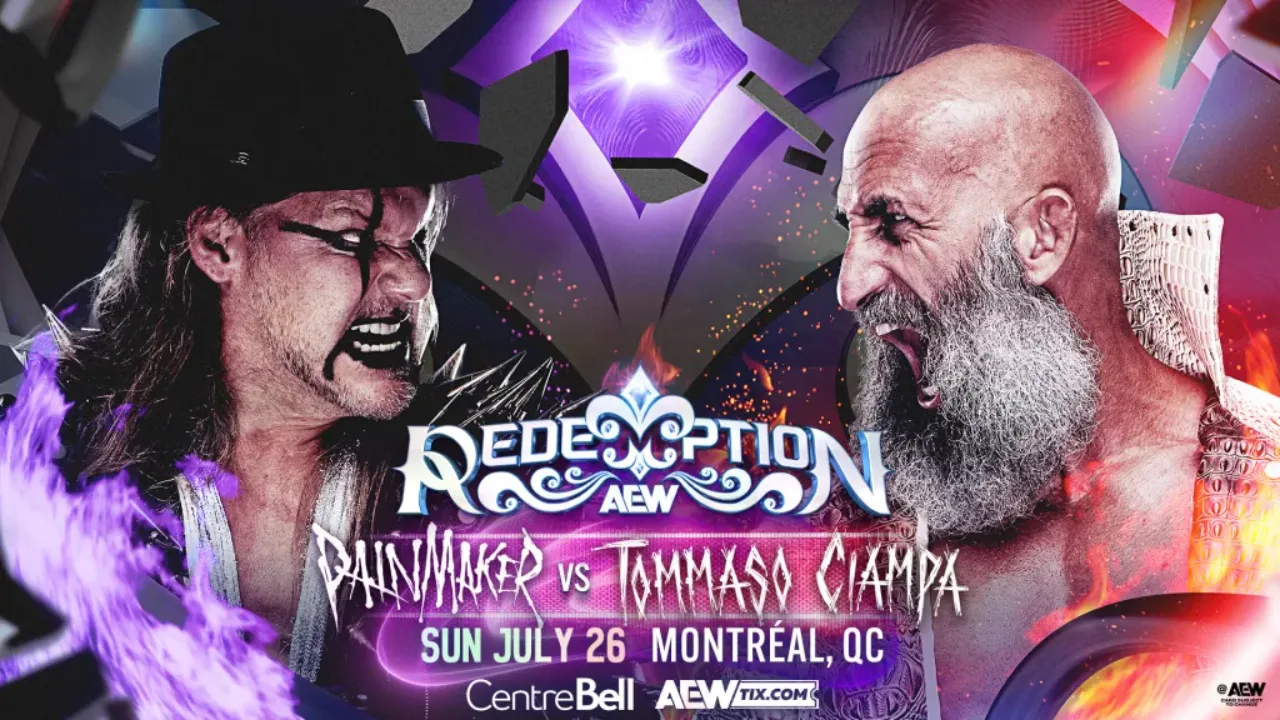
7. The AEW Redemption Setup
AEW is currently hyper-focused on ticket sales for the Redemption cycle. Matches being pushed here are clearly designed to maximize buy rates rather than preserve the bodies of the veteran roster. It earns this spot simply by being the most scrutinized booking of the current month.
6. The Mid-Summer Tag Team Showcase
Tag team wrestling has seen a slight decline in prominence throughout the first half of 2026. This specific encounter earned attention for a 15-minute window that actually utilized double-team psychology. It proves that even in a weakened division, competent work holds weight.
5. The Heavyweight Clash at Madison Square Garden
This match earns its spot for pacing alone. Both athletes maintained a 20-minute intensity that rarely featured a "reset" period, which is the bane of modern television wrestling. It is an example of what happens when two top-tier workers demand the freedom to structure their own finish.
4. The Women’s Division Table Match
It is rare for weapons-based matches to avoid the trope of "choreographed chaos" in 2026. This match featured a stiff superplex through a table that actually landed flush, drawing a massive reaction from the crowd. It ranks highly because it didn't lean on gimmicks for the sake of padding time.
3. The Technical Grappling Masterclass
Stripping away the pyro and the entrance theatrics, this 22-minute match was a masterclass in chain wrestling. It stands above the others because it forced the crowd to stay quiet and pay attention to specific holds rather than waiting for finisher spam. A bold choice in an era obsessed with high spots.
2. The Intercontinental Championship Defense
This match is why the mid-card belt still matters. It provided a near 30-minute contest where the result stayed in doubt until the final two seconds. The booking decisions here were flawless, building tension without relying on run-ins or outside interference.
1. The World Title Ladder Match
This performance peaked with a daring 12-foot leap that changed the crowd dynamic instantly. It ranks first because it balanced the high-risk stunts with a legitimate narrative payoff. Despite the risk of injury, the match effectively closed a chapter in the championship's history with 100% clarity.
Honorable Mentions
- The surprise television return match on a Tuesday night.
- The squash match that actually advanced a long-term storyline.
- The triple threat that successfully protected all three participants' personas.
The industry needs more of these moments. While WWE shifts its focus toward new media platforms like Sirius XM, the talent in the ring must justify the airtime. If the match quality continues to fluctuate, no amount of radio reach will solve the core issues with engagement.