AEW's momentum hits a concrete wall
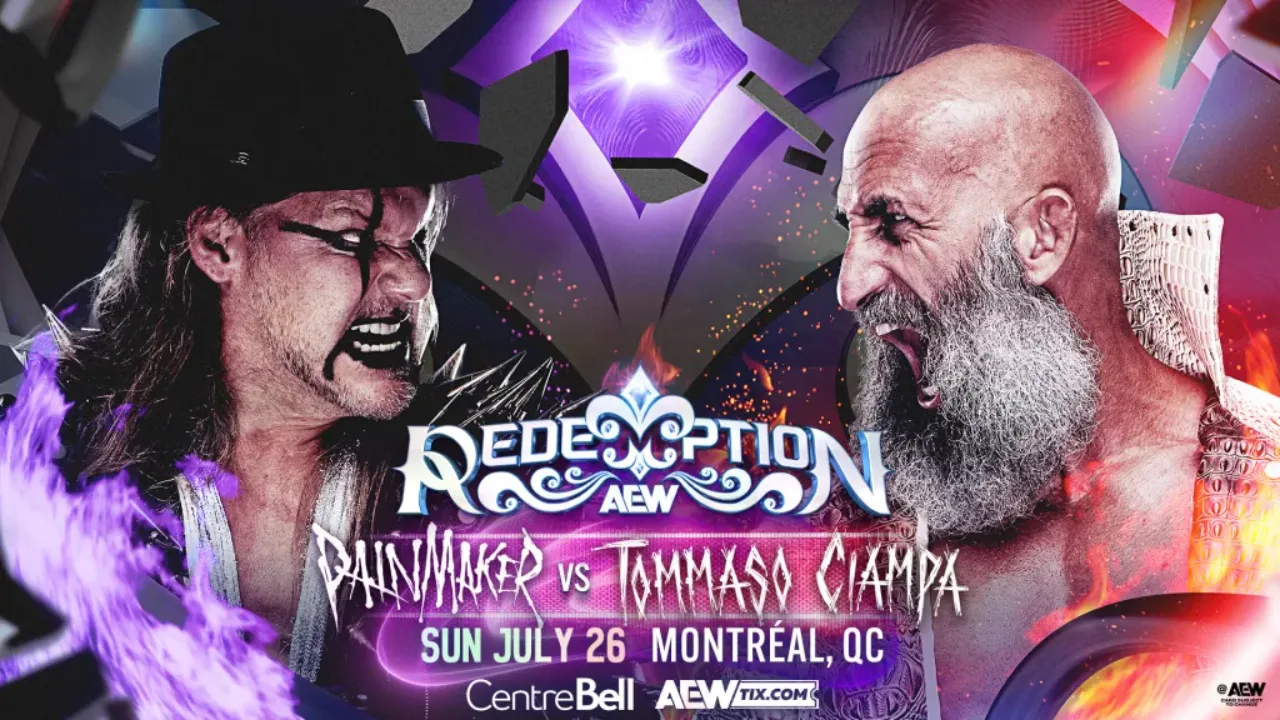
Wednesday night was meant to be a crowning achievement for AEW, but instead, the final broadcast before the Redemption pay-per-view felt like a car wreck in slow motion. With a massive event scheduled for this Sunday, the promotion needed a clean, sharp hook to convince viewers to part with their cash. Instead, the main event was a sequence of botched spots, mistimed transitions, and technical glitches that left the audience checking their watches rather than their wallets.
As PWTorch reported, the execution left much to be desired. A main event is supposed to signal that the championship stakes are real, yet the sloppy choreography undermined the gravity of the upcoming title bout. When your biggest stars are stumbling through routine exchanges, the perceived value of the product takes an immediate nosedive.
Nemeth carries the TNA torch
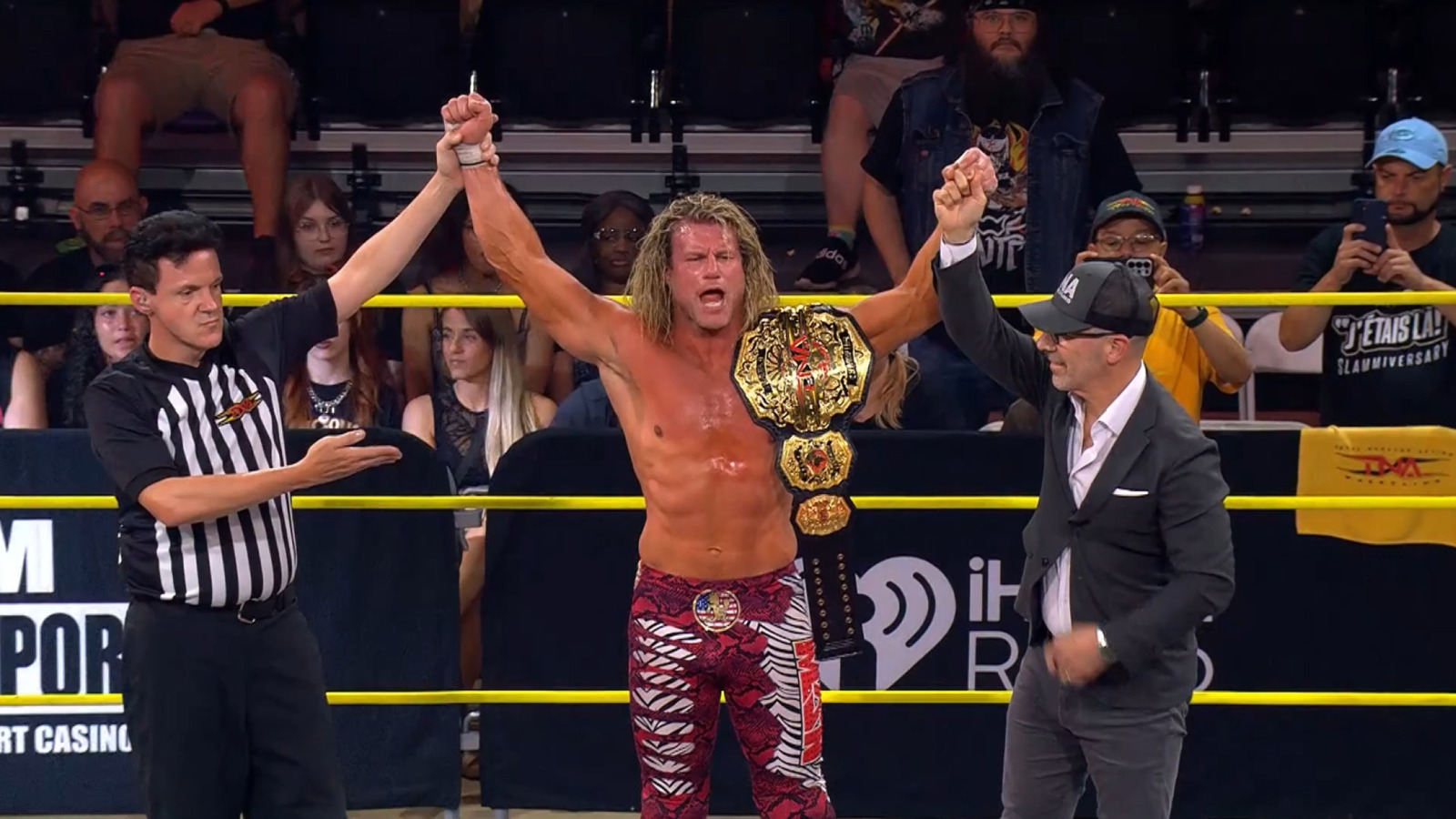
While AEW scrambled to find its footing, Nic Nemeth reminded everyone exactly why he is still one of the most reliable performers in the business. During the latest taping of TNA Impact, Nemeth successfully defended his TNA World Championship against the challenger KC Navarro.
The match had a clear direction and, more importantly, a coherent finish. Wrestling Inc confirmed that Nemeth walked out with the gold, keeping the title scene stable. It was refreshing to see a main event that didn't require an autopsy, relying instead on fundamental psychology to control the pace of the crowd.
Russo vs. The World
Discussions regarding corporate booking and long-term storytelling have reached a fever pitch, with former writer Vince Russo vocalizing his disdain for WWE's current creative trajectory. He took aim at the upcoming SummerSlam headliner between Roman Reigns and Seth Rollins, expressing a lack of interest in the outcome.
Vince Russo has one major problem with Roman Reigns facing Seth Rollins at SummerSlam—he doesn’t give a damn which one of them wins.
His argument is centered on the apparent redundancy of the match. While fans often clamor for dream scenarios, Russo suggests that missing the emotional beat of the story renders the technical quality of the wrestling irrelevant. He also suggested that WWE should pivot The Bloodline toward an nWo-style invasion force, arguing the current internal fractures are diluting the group's threat level.
Whether his pivot would improve ratings is debatable, but his frustration echoes a growing sentiment that overcomplicated stories are often less effective than simple, aggressive ones. The Bloodline has been the anchor of WWE programming for years, and watching them bicker for the sake of drama is beginning to wear thin on even the most loyal observers.
The landscape of booking concerns
The contrast between these promotions is stark. WWE continues to move through its major shows, while the industry remains fixated on how these long-standing factions, like The Bloodline, choose to exert their dominance. Despite the varied successes outlined this week on SmackDown, Saturday Night's Main Event, and Raw, there is a lingering fear that top-tier programs are treading water.
Wrestling operates on the assumption that fans will stay for the ride no matter how bumpy, but the technical failure on Dynamite suggests that patience is not an infinite resource. A promotion can only lean on its prestige for so long before the product needs to stand on its own merits.
Ultimately, Sunday's Redemption event is now a damage-control mission. AEW needs to prove that Wednesday was an outlier and not the new standard for their creative output. They have exactly 4 days to recalibrate. If they fail to deliver, the conversation will shift from bad matches to systemic failure, and that is a PR death spiral no amount of high-flying talent can fix.
The fans deserve better than sloppy main events and repetitive storylines. If the industry leaders continue to ignore the basic requirement of physical precision and clear motivations, interest will migrate toward the programs that actually respect their audience's time.