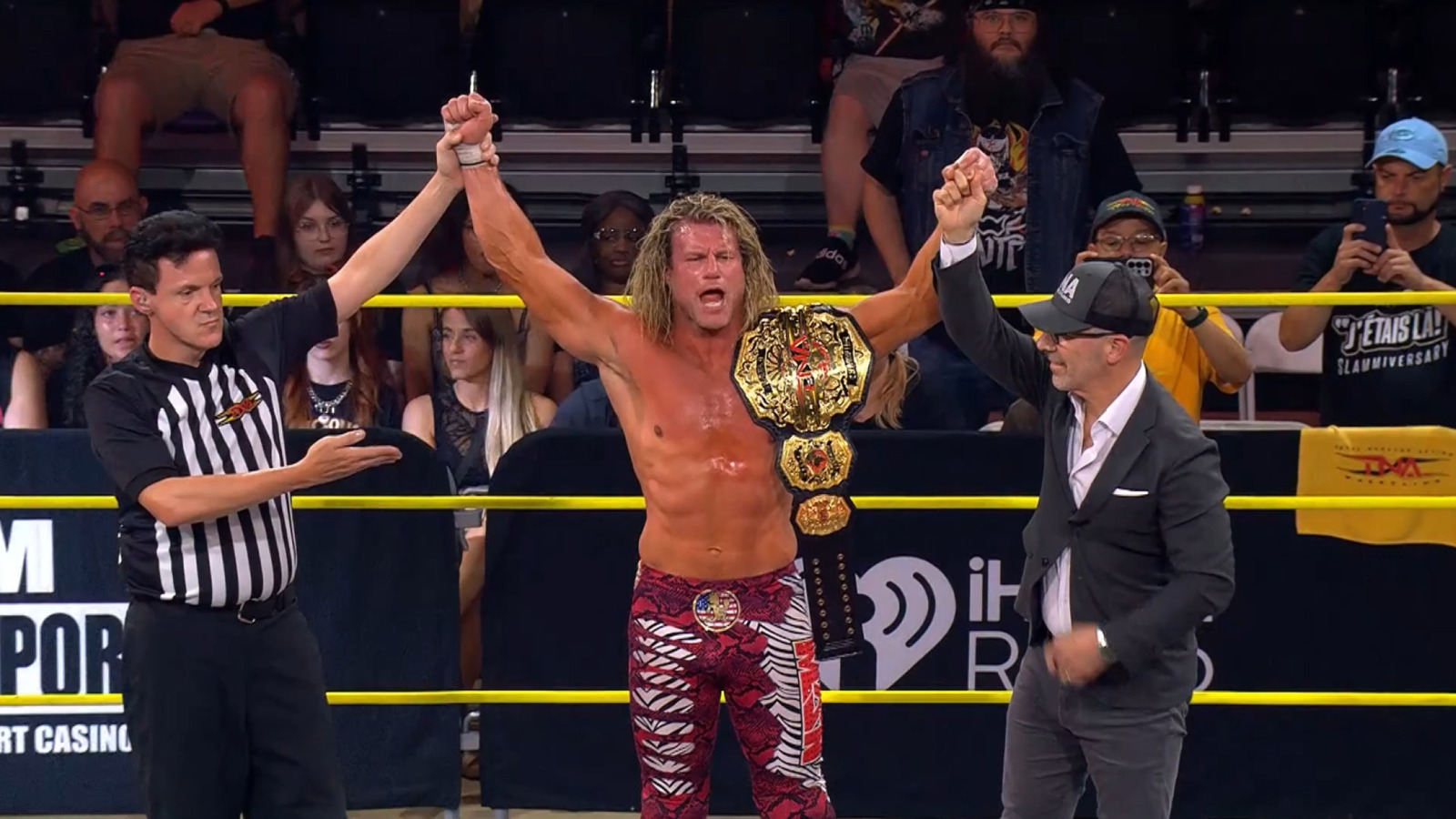
The quiet exodus of talent from TNA
TNA Impact is currently weathering a storm that suggests significant personnel changes are on the horizon. Recent reports surrounding their event at the Broadview Center in Albany, New York, show distribution of just 852 tickets for a venue configured for 1,337. When you consider the facility holds 3,800, that footprint looks shaky for a major production.
Multiple signals point toward a talent exodus. Internal industry rumblings suggest that several key performers are reaching the end of their current agreements. As PWTorch noted, the company is fighting to maintain relevance in a market currently dominated by the massive scale of WWE, which is moving 7,310 tickets for their own Oakland event. Compare that to TNA’s output, and the recruiting pitch from competing promotions becomes much simpler.
The WWE Radio factor
WWE is aggressive right now. With the launch of SiriusXM WWE Radio finally confirmed as of July 23, the brand has more space than ever to push its own narrative. It is a tool for recruitment as much as it is for broadcasting. When talent sees guaranteed exposure on a national satellite platform, the decision to leave a smaller promotion becomes a professional necessity.
Creative direction and the ceiling problem
Creative direction at TNA feels trapped in a holding pattern. While the promotion provides a platform for mid-card workers to refine their character work, the glass ceiling is made of reinforced steel. Talented individuals are effectively treading water while waiting for a phone call from Stamford. It is a frustrating position for any veteran wrestler who has already exhausted their local storylines.
We should expect to see these specific free agents looking at AEW as a potential landing spot, provided they can clear space. With AEW Redemption 2026 looming, the roster is likely to undergo a shakeup. AEW has a history of absorbing underutilized talent, though their recent focus on high-cost signings makes this a risky gambit for any middle-to-lower card TNA act.
Flaws in the current model
The core issue is exposure. When your average televised show draws fewer than 1,000 live attendees in secondary markets, your bargaining power during contract negotiations hits zero. A performer who isn't selling tickets or moving merchandise is eventually going to be cut to save on overhead. This isn't speculation; it is the fundamental reality of professional wrestling business in 2026.
Furthermore, reliance on a shrinking fan base creates a feedback loop. If the in-ring production doesn't reach the level of spectacle seen recently on SmackDown, casual viewers will continue to drift away. TNA is currently guilty of putting forward card structures that feel safe but fail to ignite the audience. That lack of heat makes it difficult for talent to showcase their true market value.
Probability and outlook
Probability for a major name leaving TNA within the next 60 days is high. We aren't talking about one isolated incident, but a shift toward a leaner roster as TNA attempts to stabilize its overhead. Watch for veterans nearing the 30-day mark before their current contracts expire. These performers are likely already testing the waters with agents.
Expectations for any TNA defector should be measured. Most will not step into a main event spot elsewhere. Instead, they will occupy depth roles. The real impact won't be seen in title wins, but in the dilution of TNA's remaining star power. If the company loses three of its top five earners by the end of Q3, the brand may face a period of significant identity crisis.