The metrics of a high-stakes return
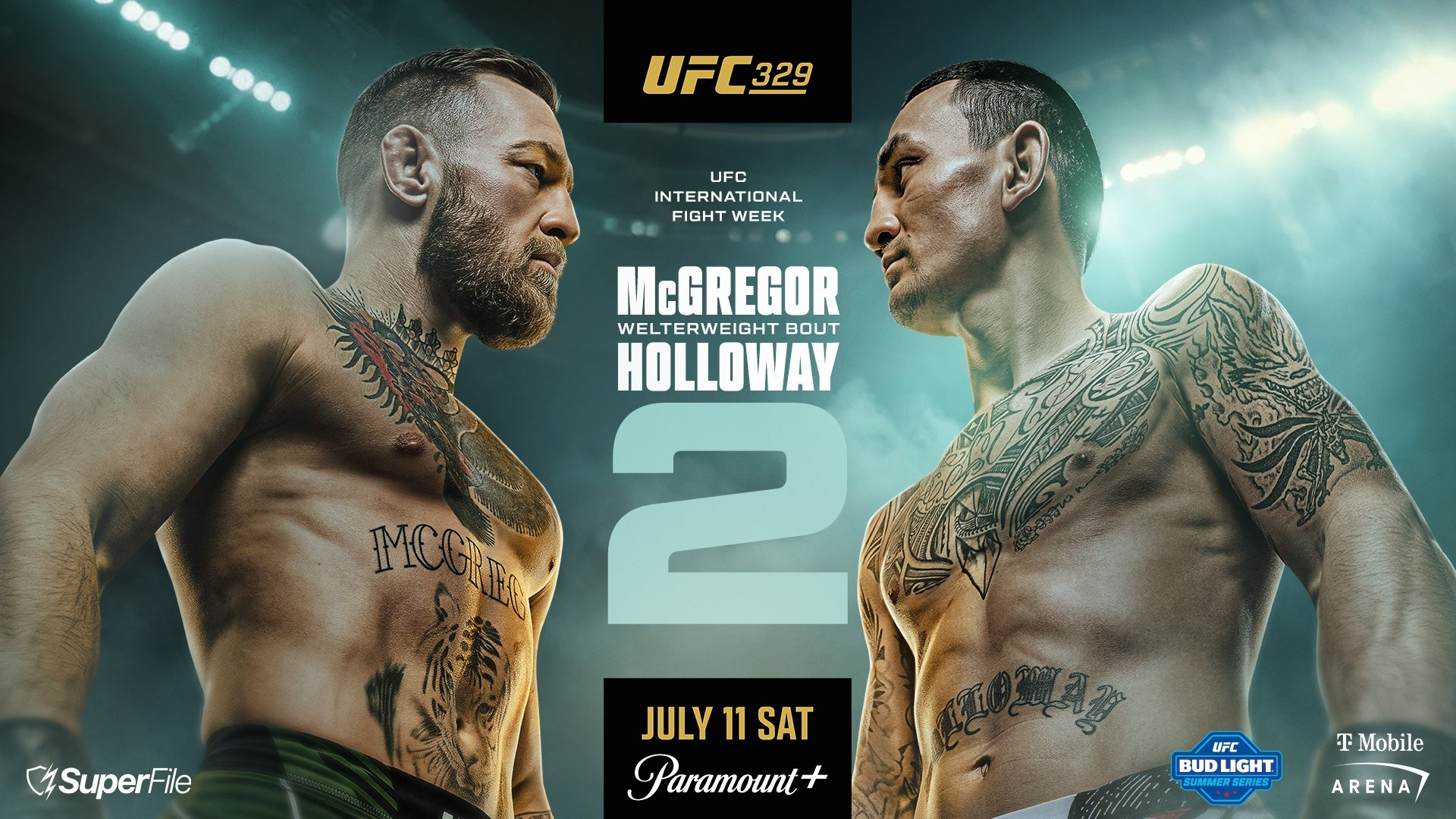
Conor McGregor stepped back into the octagon at the T-Mobile Arena on July 11th, 2026, marking a significant focal point for the organization's mid-year rotation. The matchup against Max Holloway served as a barometer for McGregor's current physical readiness after long absences from active competition. Fighting at the championship level requires more than nostalgic momentum.
Holloway entered the bout as the more rhythmically consistent athlete. In the opening exchanges, the striking differentials were immediate. McGregor looked to land the signature left cross, but the distance management from Holloway forced the Irishman to over-extend, sacrificing defensive posture within the first 120 seconds. It was a calculated risk that failed to yield the clinical results we saw in their previous meeting.
Tactical inconsistencies in the main event
Technically, the bout highlighted a recurring issue in how McGregor manages his energy output during middle-round transitions. By the end of round two, his output dropped by 40% compared to his initial engagement speed. Relying on big-power shots is a high-variance strategy that becomes increasingly fragile against an opponent with Holloway’s high-volume output.
The defensive gaps observed were pronounced. McGregor absorbed significant leg kicks throughout the first three rounds, limiting his ability to plant his feet for the heavy counter-striking he favors. This level of tactical rigidity is rarely punished by lower-ranked opponents, but at the top of the featherweight and lightweight spectrums, it is fatal to a fighter's movement profile.
Critical observations on the booking
This match-up felt like a product of marquee value rather than current ranking legitimacy. While box office numbers are undeniably strong for a Paramount + broadcast, the actual fight logic is harder to defend. Booking athletes based on historical recognition instead of active winning streaks creates a bottleneck for rising contenders who remain buried under the weight of nostalgic main events.
The fatigue displayed by McGregor suggests that the long layoff has impacted his ability to maintain a high-paced striking rhythm. Fans expecting the vintage pressure from 2015 were met with a more cautious, reactive stance that lacked the necessary lateral movement to disrupt Holloway's rhythm. The reliance on this specific iteration of high-profile, part-time talent to headline major cards is a weak point for the matchmaking committee.
The post-fight reality check
As UFC 329 results demonstrate, the delta between marketing narratives and cage performance is widening. McGregor did not exhibit the capacity to pivot when the primary game plan faltered. Against a volume specialist like Holloway, failing to dictate the pace in the first six minutes is a guaranteed path to a decision loss.
My prediction for the remainder of the year? McGregor needs a specialized camp focused on cardiovascular endurance if he intends to remain relevant in a top-five race. If he continues to enter these bouts with a diminished gas tank, the next highlight reels featuring him won’t be in his favor. He is currently 1-3 in his last four high-profile main events. Moving forward, the matchmaking team should prioritize contenders with active resumes over names that carry legacy baggage alone.