Managing physical attrition in the 2026 climate
Professional wrestling remains a sport defined by physical toll. While fan engagement continues on platforms like PWInsider between major events, the reality behind the curtain involves constant medical maintenance. Performers are currently tasked with navigating higher work rates than in previous decades.
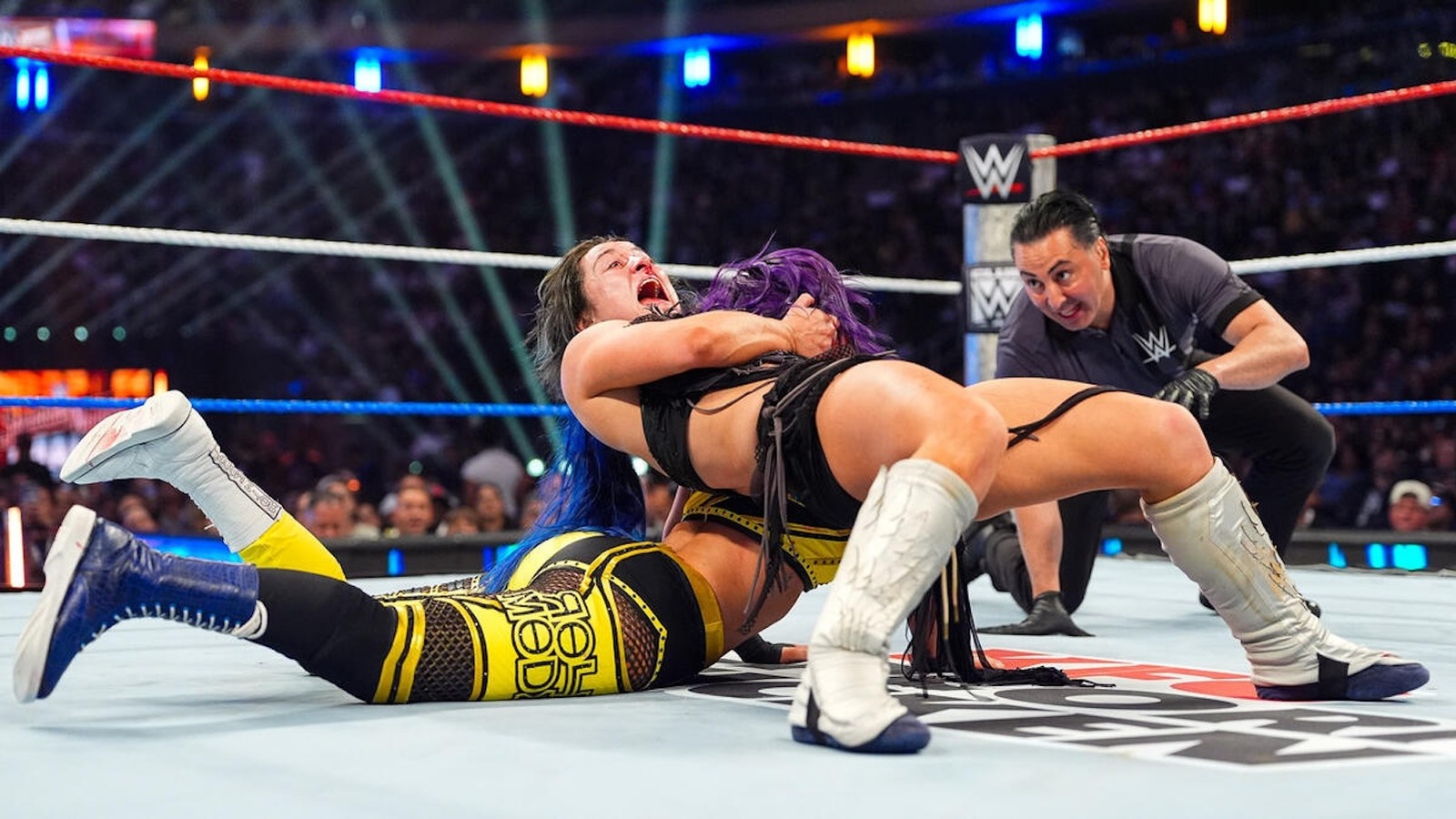
As discussed on the latest PWTorch Dailycast, the evolution of wrestling style has shifted how promotions value their talent. The physical pressure on performers today is significantly higher than during the territory era or the early 2000s. Chronic fatigue is now a primary driver for injury, rather than just singular impact events.
The strategic cost of high-output scheduling
Bookers often struggle to balance the need for high-quality televised matches with the long-term survival of the roster. When talent performs at a high intensity for 15-minute windows, the recovery margin narrows. This structural issue often leads to premature burnout, leaving promotions with thin television lineups during prime windows.
Historically, wrestlers worked through significant discomfort, but modern athletic science has curtailed that trend. Current medical protocols prioritize long-term stability over short-term spectacle. Critics point out that forcing talent into high-impact spots on weekly television creates a cycle of injury that ultimately damages the product quality. The industry is currently facing a reckoning regarding this intensity threshold.
Historical context and the impact on the industry
Previous generations of talent dealt with similar wear patterns but lacked the diagnostic precision available today. We are seeing a shift where recovery is now viewed as an integrated part of the business model rather than a nuisance for creative teams. This transition is essential for preventing the recurring attrition seen in the late 90s.
The current landscape forces a rethink for creative teams who remain tethered to demanding touring schedules. Even with advanced recovery technology, the sheer volume of matches per calendar year remains a liability. If management continues to push the same roster without rotation, they risk long-term fatigue becoming an institutional failure.
The fan experience, while digitally robust through PWInsider reports and community interaction, relies on the presence of star power. When major names are sidelined due to the physical toll, engagement metrics dip. It is a precarious balancing act for any promotion attempting to maintain ticket sales while preserving the health of their primary assets.
The financial cost of these injuries is not just medical; it disrupts long-term storylines. A performer removed from a program, like the recent cases of heavyweights recovering from intense bouts, creates a forced pivot in booking. This lack of continuity keeps stories from reaching their maximum monetization potential. When a top star goes down, the value often evaporates before a replacement can establish credibility with the audience.
Ultimately, the industry must weigh the necessity of high-stakes television against the human capital required to produce it. Every match produces a risk quotient that accumulates over months of activity. The goal is to reach a 75% efficiency rate for roster availability throughout the calendar, a metric currently being missed by several dominant brands.
Observers should watch how promotions treat their mid-carders as the solution to this depth problem. If management does not invest in rotating talent more effectively, the standard for in-ring quality will inevitably drop. True professional discipline involves understanding that rest is not a break in business, but a requirement for longevity.