The Las Vegas Calculation
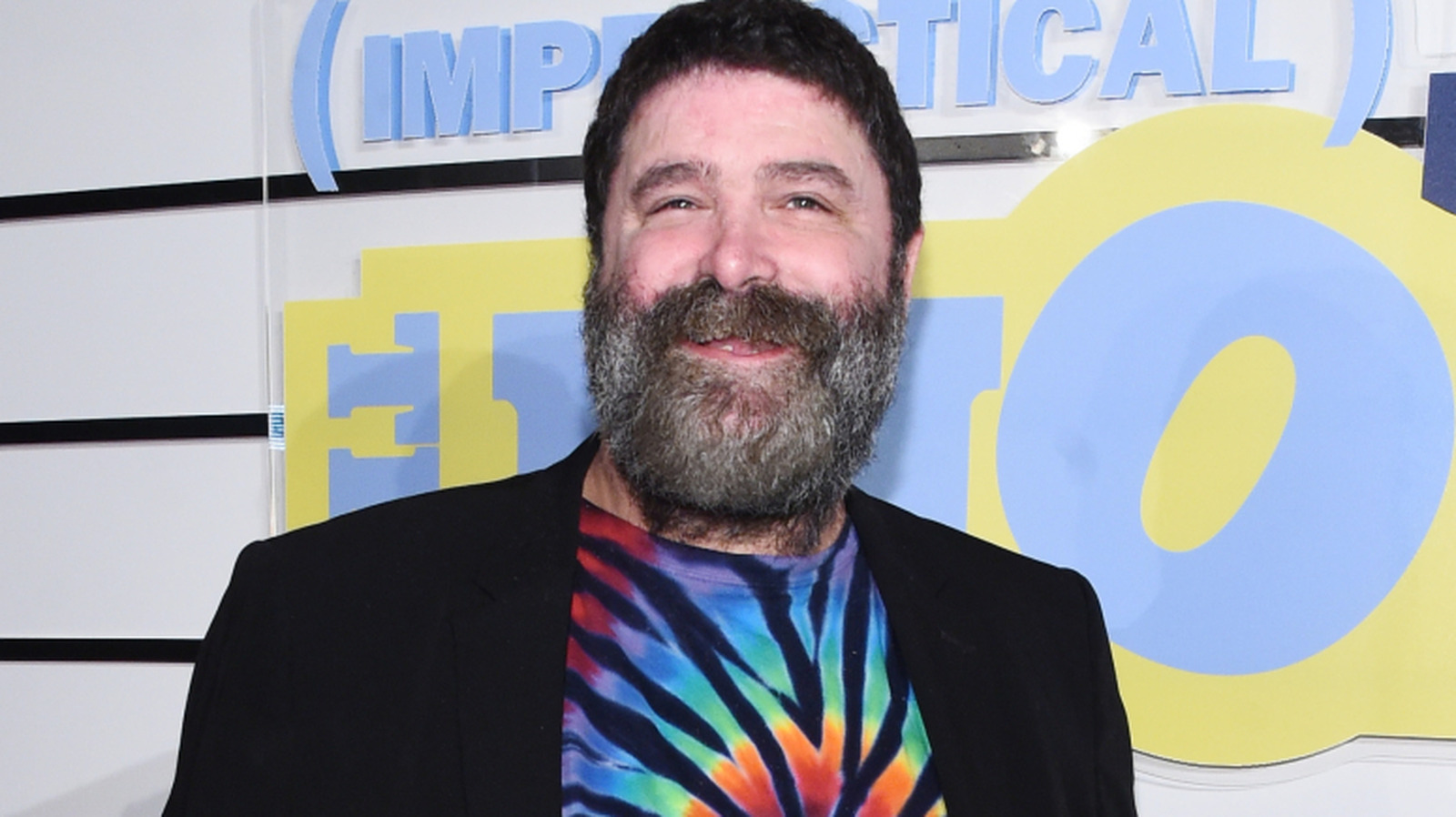
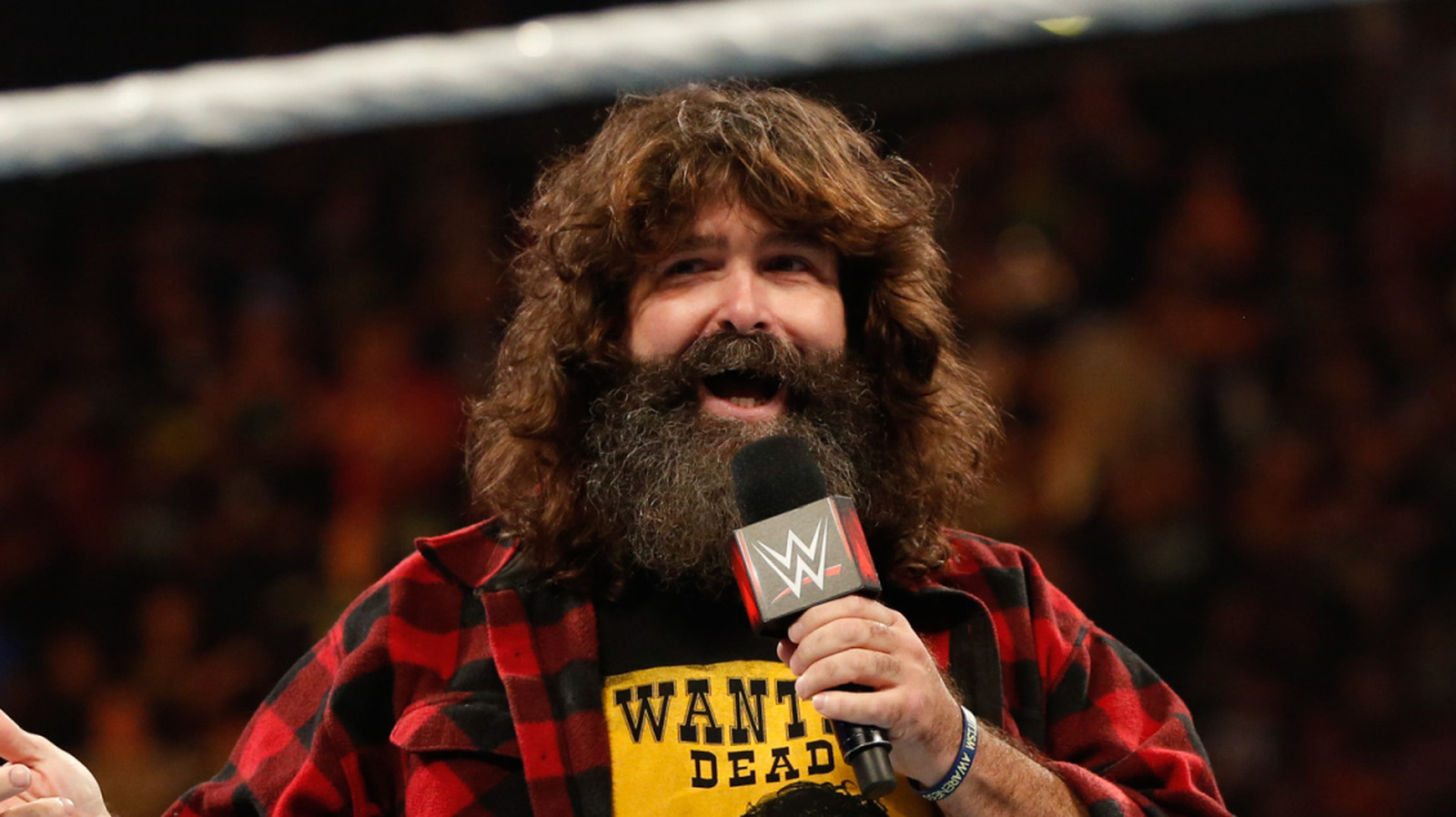
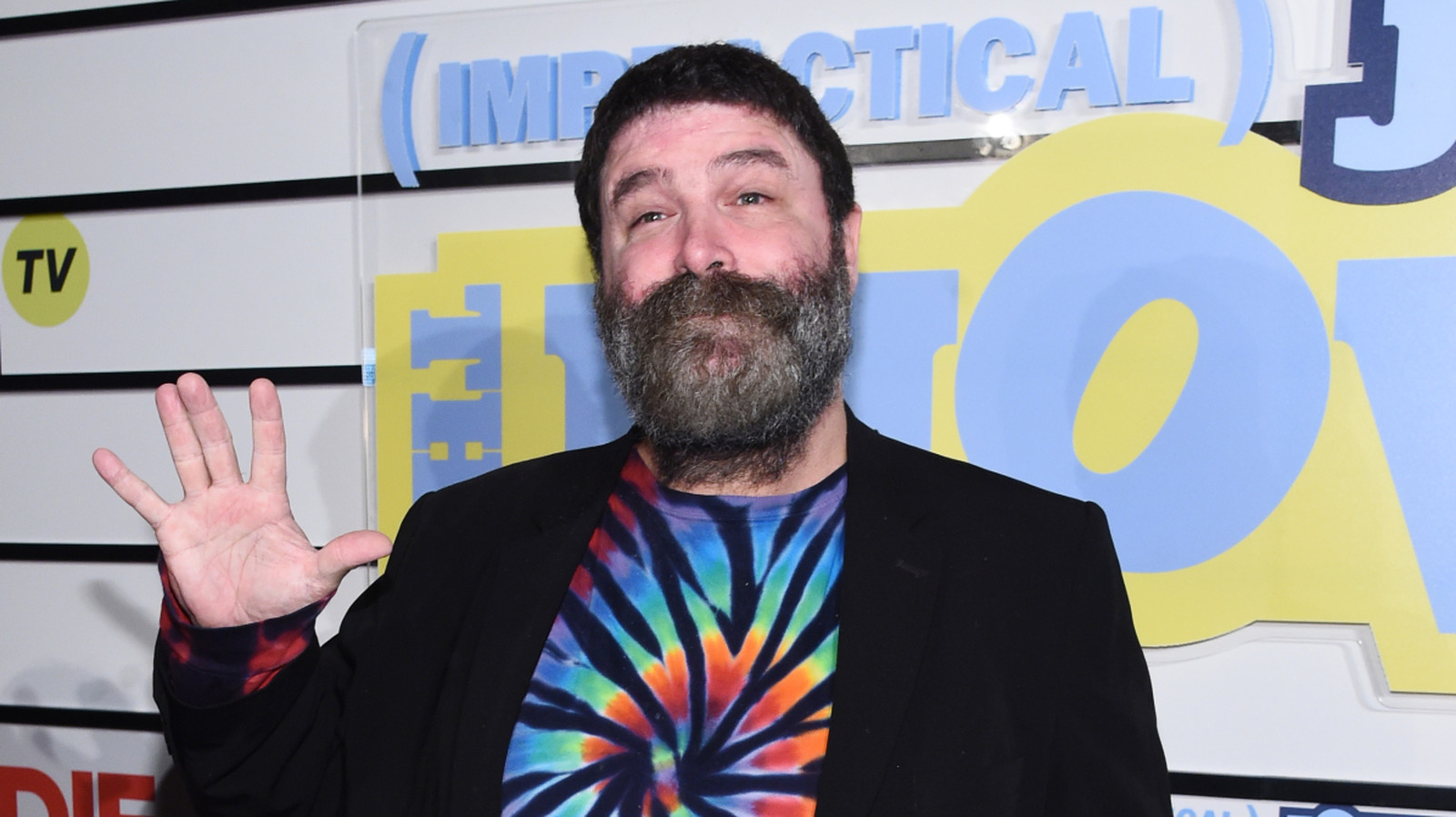
Tony Khan loves a nostalgia pop, but tomorrow night's AEW Double or Nothing in Las Vegas presents a different kind of calculation. Mick Foley is officially scheduled to debut for the promotion. The immediate reaction from the fanbase was a mixture of Pavlovian excitement and immediate physical dread.
At 60 years old, Foley is a walking medical chart of high-impact wrestling history. He has nothing left to prove, yet the wrestling media has immediately pivoted to the inevitable question: will he wrestle? The wrestling press has already begun dissecting the probabilities, starting with Dave Meltzer's assessment of Foley's AEW run.
AEW is built on high-velocity workrate, which makes Foley's arrival an odd tactical fit. We are not talking about Sting, who could still hit a splash off a balcony at 64. Foley’s bump card was full twenty years ago, and his physical limitations are visible in every step he takes. The sheer athletic speed of the modern AEW roster would make a standard wrestling match a jarring, uncomfortable spectacle to watch.
The Mechanics of Smoke and Mirrors
To understand the tactical challenge of a modern Foley match, we have to look at his last serious physical outings. His last singles match of note was a brief, highly protected encounter against Edge at WrestleMania 22 in 2006, twenty years ago. Even then, the match required thumbtacks, tables, and a fire-retardant suit to hide the physical decline. The pacing of that match was entirely dictated by Edge's ability to bump around Foley's deliberate offense.
If Foley steps into an AEW ring today, the booking team faces a massive structural hurdle. Standard wrestling mechanics like running the ropes, taking a back body drop, or executing a basic vertical suplex are entirely off the table. A modern Foley match cannot rely on athletic pacing; it must be pure psychological theater. Every movement must be calculated to minimize physical impact while maximizing crowd reaction.
This is where the roster analysis becomes vital. If a match does happen, the opponent must be an absolute master of pacing, safety, and heat. Veteran Matt Hardy weighed in on this exact problem, suggesting that MJF is the singular talent in AEW who could guide Foley through a passable match. It is an astute observation that highlights the mechanical reality of modern professional wrestling.
The MJF Defensive Blueprint
Hardy’s tactical assessment is spot on. MJF is one of the few top-tier modern wrestlers who does not rely on high-risk athleticism to generate crowd reaction. His work is built on classic heel heat, slow pacing, and protecting his opponents in the ring. He is a master of the 'less is more' philosophy, which is exactly what a Foley match would require.
MJF uses a style that protects the head and neck of his opponents. He relies heavily on eye pokes, hair pulls, and simple ground-based holds like the Salt of the Earth armbar. In a hypothetical match, MJF could carry 90% of the physical load, bumping like crazy for Foley's signature offensive spots. He has the verbal ability to carry a feud purely on the microphone, eliminating the need for physical build-up matches.
A typical MJF heat segment lasts seven to ten minutes, keeping the crowd focused on basic babyface hope spots. Foley would only need to hit three moves: a running knee in the corner, a double-arm DDT, and the Mandible Claw. If MJF takes the bump for the DDT and sells the claw like death, the match achieves its goal without Foley ever leaving his feet. This is the exact formula that saved late-career matches for legends like Hulk Hogan and Roddy Piper.
The Skeptical Veteran's View
Yet, many veterans are highly skeptical that we will see Foley lace up the boots. AEW announcer Jim Ross is among those who believe a physical match is highly unlikely. As JR noted on his podcast, Foley's health and the sheer physical risk make a match a terrible idea. His perspective is grounded in decades of watching the physical toll of the business.
JR has watched Foley's entire career arc, from his brutal matches in WCW to the legendary Hell in a Cell bump in 1998. He knows the toll those bumps took on Foley's spine, hips, and knees. The idea of Foley taking even a simple bump on AEW’s notoriously stiff rings is a recipe for disaster. The promotion's standard canvas is stretched over a steel framework with only a thin layer of foam, offering little forgiveness for a worn-out body.
AEW has a mixed record when it comes to managing the physical safety of aging legends. While Sting's retirement run was a masterpiece of tag-team protection, other legends have looked painfully exposed. Putting Foley in a position where he has to take physical punishment is a boundary Tony Khan should not cross. The aesthetic of AEW is built on realism, and seeing Foley struggle to stand after a basic body slam would ruin the illusion.
Booking the Debut Without the Bumps
When Foley debuts at Double or Nothing, his initial role will set the tone for the entire summer. The smart money is on a non-wrestling role, perhaps as a special guest referee or an on-screen authority figure for a particular division. This allows AEW to capitalize on his legendary status without putting his health at risk.
If Foley is introduced as a special referee for a high-intensity match, say the Anarchy in the Arena match, he can influence the finish without taking a bump. A simple Mandible Claw to a heel who gets in his face would provide the necessary pop. The crowd gets the classic Foley moment, the babyface gets the win, and the medical staff breathes a sigh of relief. It is a win-win scenario that protects the performer while satisfying the audience.
But if Foley cuts a promo challenging a member of the active roster, the alarm bells should ring. AEW cannot afford to build a pay-per-view match around a 60-year-old man who can barely walk. The novelty of seeing the hardcore legend will quickly fade when the bell rings and the physical reality sets in. We have seen too many legends return for 'one last match' only to tarnish their legacy in ten minutes of slow, awkward action.
The Tactical Verdict
Let's make the hard call. Mick Foley will appear at Double or Nothing tomorrow night, but he will not wrestle a single match during his AEW stint. The talk of an in-ring return is a classic wrestling tease designed to boost buy rates and social media engagement. It is smart promotional business, but it must remain a tease.
Tony Khan will use Foley as a psychological foil, likely aligning him with a young babyface who needs a rub. Expect Foley to be the special enforcer for a major championship match down the line, perhaps at All In at Wembley Stadium. He will hit his spots, put the Mandible Claw on a mid-card heel, and leave with his health intact. This keeps his legendary status pristine while adding a layer of star power to the summer program.
Wrestling fans should enjoy the nostalgia but reject the urge to see Foley bump again. We don't need a sad spectacle to appreciate what he gave to the business. Keep the boots on the shelf, Mick; the notebook is closed on your in-ring career, and it should stay that way. The real triumph of his AEW run will be his ability to elevate others without taking a single bump on the canvas.