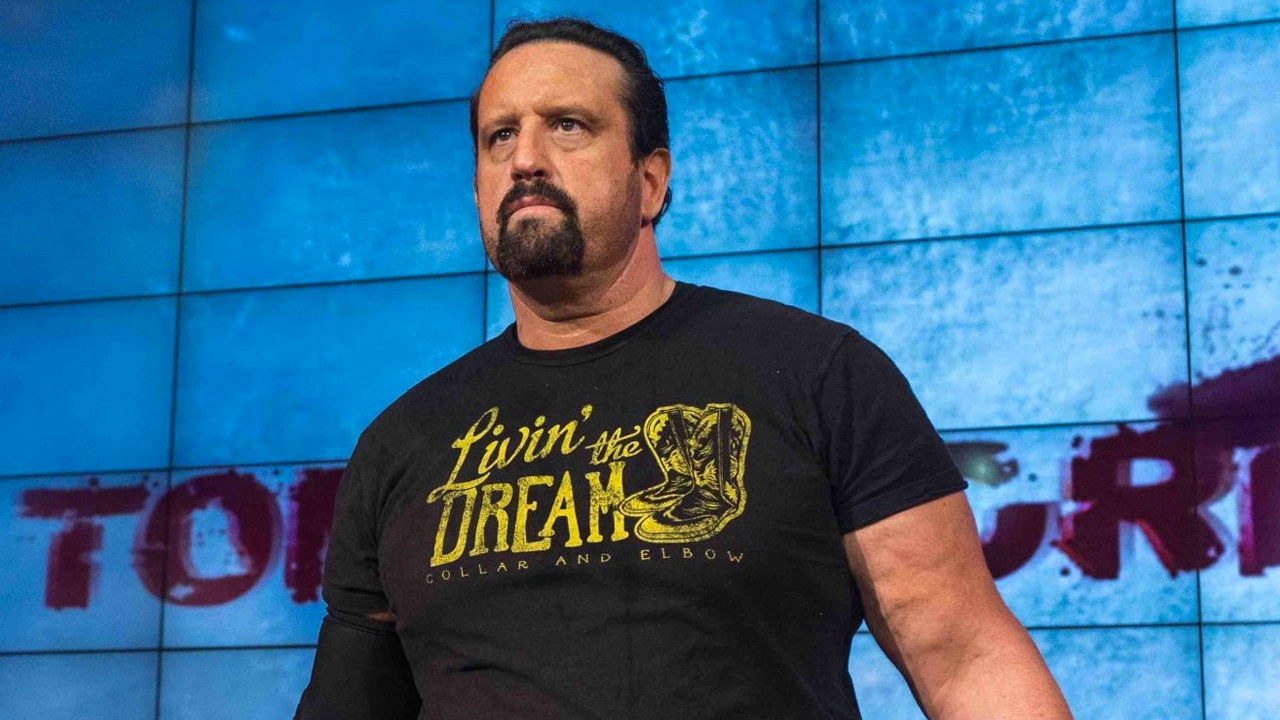
The end of the wrestling bidding war era
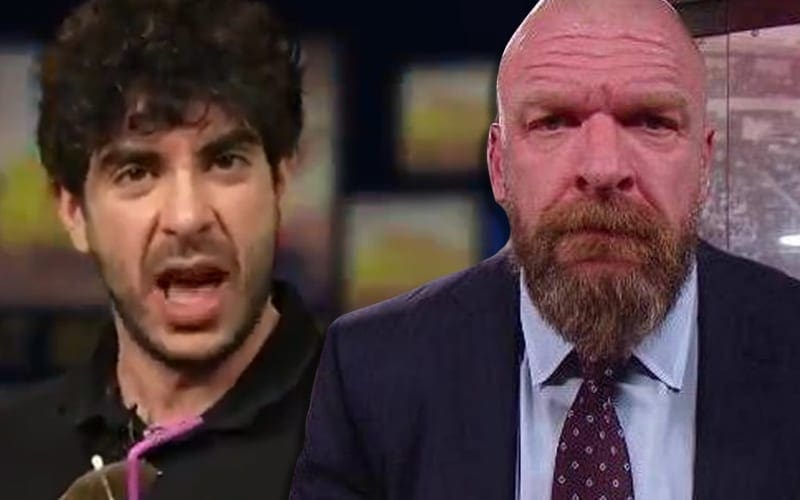
The capital correction in wrestling payrolls
For the past five years, the independent wrestling scene operated on a simple, flawed assumption: that the duopoly of WWE and AEW would perpetually inflate wages through a bidding war. That period is effectively over. Nick LoPiccolo’s recent assessment regarding the cooling of talent acquisition suggests we have moved into a phase of fiscal consolidation.
This shift isn't about the quality of the wrestling. It is about debt servicing and operating margins. When organizations move from a growth-at-any-cost start-up phase toward established media rights profitability, the first line item to feel the squeeze is the mid-card salary floor. AEW no longer has the excuse of an unproven product, and WWE, under TKO management, is prioritizing lean operations over the hoarding of talent.
The danger of leverage exhaustion
Wrestlers who hit the free agent market with the expectation of a multi-company feeding frenzy are misreading the room. The reality shared by Nick LoPiccolo highlights that these companies are increasingly aligned on a specific goal: controlling overhead. If a talent is not a needle-mover or a top-tier quarter-hour draw, the days of signing massive guaranteed contracts just to keep them away from the competition are dwindling.
We can look at the rotation of rosters over the last eighteen months to see this in play. WWE’s willingness to let certain performers go and AEW’s tightening of their hiring practices show that the "let’s just offer more money" approach has been replaced by a "value-per-minute" assessment. Talent who aren't generating high-engagement metrics on social platforms or consistent ratings spikes during their segments are now finding far less leverage at the negotiating table.
The metrics that matter now
Performance now requires more than a high work rate inside the ring. It requires a quantifiable impact on the bottom line. Whether it is merchandise movement or ticket sales in specific regional markets, the leverage is shifting back to the owners. If you are a wrestler without a direct connection to a revenue stream, your bargaining power is essentially zero.
This correction might actually improve the product in the long run. When massive, multi-year guarantees were handed out like candy, there was little incentive for internal competition. Now, wrestlers operate under the threat of replacement. While this creates a more cutthroat atmosphere for the athletes, it forces them to invest in their own branding—because the companies are effectively telling them that they are now responsible for their own market value.
The critique here lies in the long-term sustainability of this model. By suppressing wages for the middle rung of talent, these promotions risk thinning their depth charts to the point of exhaustion. If injury rates remain high and creative options remain stagnant, fans will notice the lack of fresh faces in the rotation. Relying on top-level stars to carry the brand is fine for PLEs, but it leaves the weekly grind vulnerable to burnout. The current strategy is efficient on a spreadsheet, but it leaves little room for error if a headline act goes down with an injury in the third quarter of the fiscal year.
The post-growth reality
We are seeing the transition of professional wrestling into a mature television product. The wild west phase of the AEW launch and the post-pandemic WWE reset are dead. Now, we are in the era of high-stakes precision.
Talent agents who cannot demonstrate a wrestler's ability to drive conversion are struggling to secure the raises of the previous cycles. The next wave of signings will be dictated by data, not the fear of losing someone to a rival. For the fans, this means we should expect smaller, more surgical rosters. For the wrestlers, it means the dream of a massive pay-day regardless of output is a relic of 2021.
Performa PerfectShaker WWE Series Stone Cold Steve Austin Shaker Bottle, 28 oz
Shatter-proof, leak-proof, and Stone Cold approved – perfect for mixing up your
Frequently Asked Questions
Why did WWE and AEW end their talent bidding wars?
How do WWE and AEW now evaluate the value of wrestling talent?
Who is most affected by the new wrestling industry payroll cuts?
What risks do promotions face by suppressing mid-card wrestler wages?
How does the end of bidding wars impact how wrestlers manage their careers?
More Coverage
Top 10: Most Controversial WrestleMania Moments Involving Pro Wrestling Legends
4 hours agoTop 10: Defining WWE Moments of the Current Era
7 hours agoHang up the boots, big guy: It’s time to face the curtain
8 hours ago
Top 10: The Mid-July Power Rankings
8 hours ago
Top 10: The Undertaker's Most Defining Moments
8 hours ago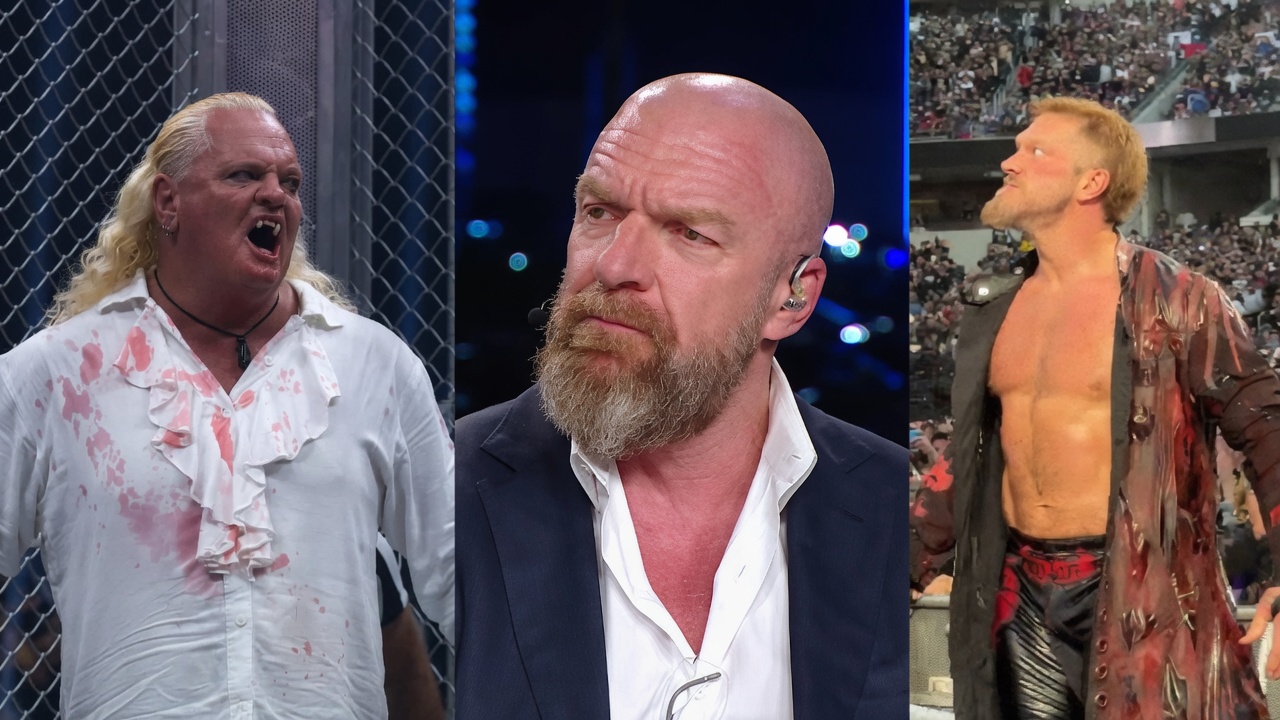
Gangrel says Triple H blocked the Brood reunion and fans are losing their minds
9 hours agoMore Analysis
Nick Aldis just got his clock cleaned and SmackDown is spiraling
an hour ago
WWE's heavy-handed editing signals a shift in Lesnar's brand
3 hours ago
Why Kazuchika Okada is currently wrestling's biggest tactical puzzle
3 hours ago
WWE and AAA aren't just running back a show, they are scouting a war
3 hours ago