The cost of the Rainmaker
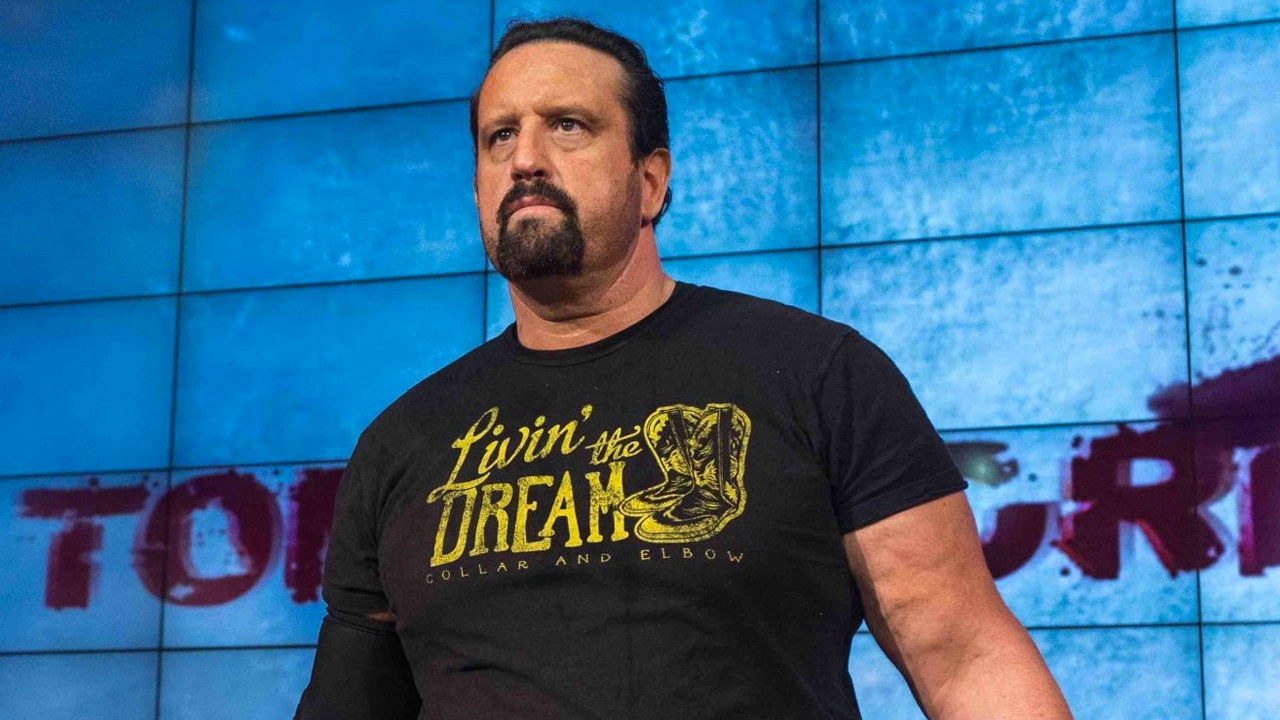
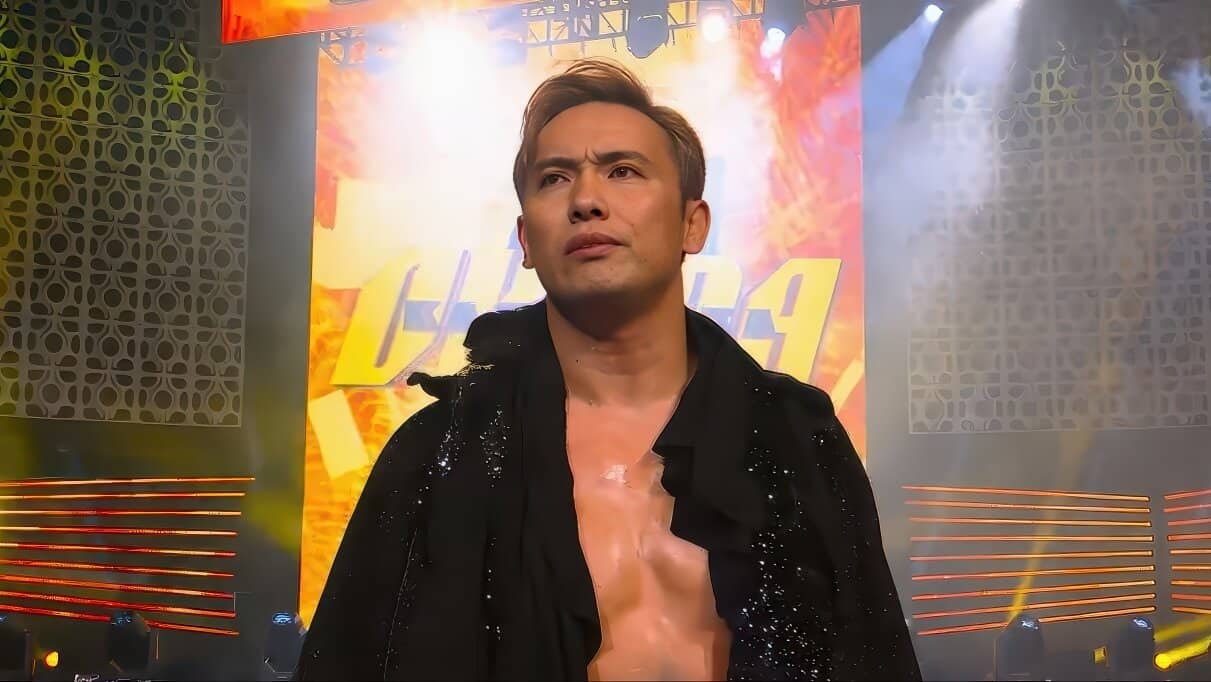
Kazuchika Okada joining AEW was not a simple roster acquisition. It was a macro-economic shift for a company looking to establish its top-tier identity. While Tommy Dreamer argues that Okada could perform as the top babyface for the promotion, the actual usage data tells a more complicated story.
Okada thrives on long-form, 30-minute main event psychology. He relies on a stiff progression of moves, specifically the Rainmaker lariat, which requires perfect pacing to land. In the frantic, high-spot frequency of current AEW booking, that slow-burn build risks getting lost in the shuffle.
Evaluating the character shift
Dreamer posits that Okada has an inherent likability that AEW fans are dying to get behind. Watching his recent segments, however, suggests the company is leaning heavily into his heel persona instead. This creates a disconnect between fan perception and creative direction.
You cannot ignore the transition costs. Okada is moving from a promotion built on strict hierarchy to one where matches often resemble a free-for-all. Every time he attempts a methodical opening sequence, there is a mismatch with the lightning-fast 18-minute average match time seen on major cards.
The analytical gap
There is a dangerous blind spot in the current booking. If you put a technician who relies on specific, high-stakes near-falls against an opponent who spams high-impact maneuvers, you lose the narrative tension of the match. The Rainmaker has always been a devastating finishing sequence, but it requires the opponent to sell the damage of the preceding twenty minutes.
Some analysts suggest his work rate has dipped compared to his 2017 peak. I disagree. The drop-off is not in stamina or execution; it is in the utility of his moveset within a foreign environment. The dropkick remains crisp, and his ability to read a crowd is elite. Yet, he is often tasked with carrying matches that lack clear internal logic.
The prediction for the next big stage
If the promotion wants to validate the investment, they need to stop treating Okada like a luxury car driven in the wrong lane. They need to pair him with someone who works at his frequency. If he is booked for a championship bout against a high-flyer, the match structure will likely collapse under the weight of conflicting styles.
My take? They will continue to play him as the stoic heel until attendance numbers force a pivot. If he doesn't secure a clean victory in the next major pay-per-view, his value will take a 15 percent hit in the eyes of casual viewers. Expect him to lose by interference in the closing minutes of his next big match, a booking decision that serves the long-term storyline but ignores the immediate demand for a top-tier babyface.