
Why modern wrestling feels like a collection of guys, not stars
The theme song critique misses the bigger picture
Jim Johnston, the man responsible for the sonic identity of the Attitude Era, recently posited that the lack of massive stars in modern wrestling stems from lackluster entrance themes. It is a compelling theory from a guy who knows how to craft a hook. But blaming synthesizers and loop-based tracks for the decline of the megastar is like blaming the lighting rig for a bad promo. The issue is not the audio; it is the intent.
We have reached an era where content production is optimized for streaming growth rather than individual magnetism. In recent comments, Johnston argues that the music no longer defines the performer, but the music is merely a symptom. The real crisis is the packaging. When every performer is presented through a filter of interchangeable high-production value, the human element that made Steve Austin or The Rock feel like larger-than-life entities gets sanded down.
The white-hot reality check
Jim Ross has been vocal on the Grilling podcast about the current state of top-tier talent. He contends that WWE lacks a single wrestler who feels truly white-hot. This is a cold assessment, especially considering the massive marketing machine behind modern cards. Yet, if you look at the ticket sales data for major events like SummerSlam, Ross is pointing to a stagnation in drawing power that companies are loath to admit.
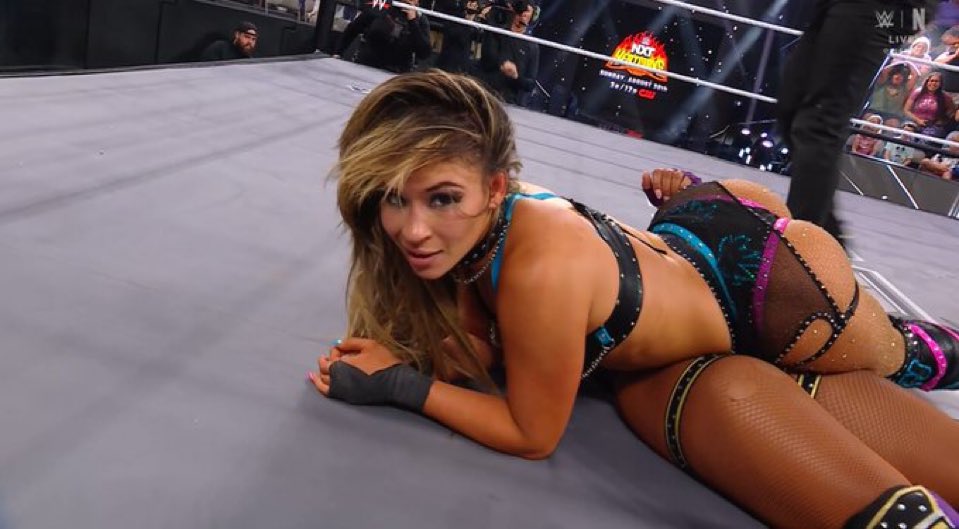
The argument from Ross is that the roster is technically gifted but narratively sterile. We see this play out in NXT title pictures or AEW mid-card feuds, where the work-rate is off the charts but the emotional investment is thin. There is a disconnect between having a great match and having a great story. When you rely solely on the quality of the wrestling itself, you create fans of the sport, but you stop creating fans of the personality.
The personality deficit
Jim Ross, who is currently managing health challenges, has also been reflecting on his own history with figures like Jeff Jarrett. These stories from the past highlight a time when internal friction was often reflected on television. Watching the reflections on those old rivalries, one realizes that the volatility was real. Those guys were not just wrestlers; they were personalities who lived their characters.
Today, the polish is distracting. Everything is too clean. While the 87th minute of a match might look technically perfect, it rarely carries the weight of a grudge that feels earned. We have traded the grit of the 1999 booking era for a sanitized product that looks great on Instagram but feels empty once the bell rings. Ross deserves our support as he navigates his upcoming surgery this August, as his perspective remains one of the few grounded voices in a space that increasingly prefers corporate safety over chaotic magic.
The booking blind spot
The core failing is a lack of trust in the performer to be themselves. We see booking that moves guys around like chess pieces on a board, favoring the match-up over the mission. If the goal is 5 stars in match ratings, you end up with great gymnastics. If the goal is to make the audience want to pay a premium to see one person break another person's jaw, you have a star.
WWE and AEW are currently chasing the former while claiming to be built on the latter. The result is a shallow pool of talent that can do everything but resonate with nobody. If they want to change the trajectory, they need to stop building products and start building people. The music doesn't need to change—the commitment to the character does.
WWE Elite Collection Series 125 Joe Hendry Action Figure
Say his name and he appears—now in action figure form.
Frequently Asked Questions
Why does Jim Johnston believe entrance themes impact wrestling stars?
What is Jim Ross's primary criticism of modern professional wrestling?
How does high-production polish affect modern wrestling performances?
Why does focus on work-rate hurt wrestling character development?
What is the biggest booking mistake in modern wrestling?
More Coverage

The Bar reunion talk is a distraction from AEW's real booking headaches
3 hours ago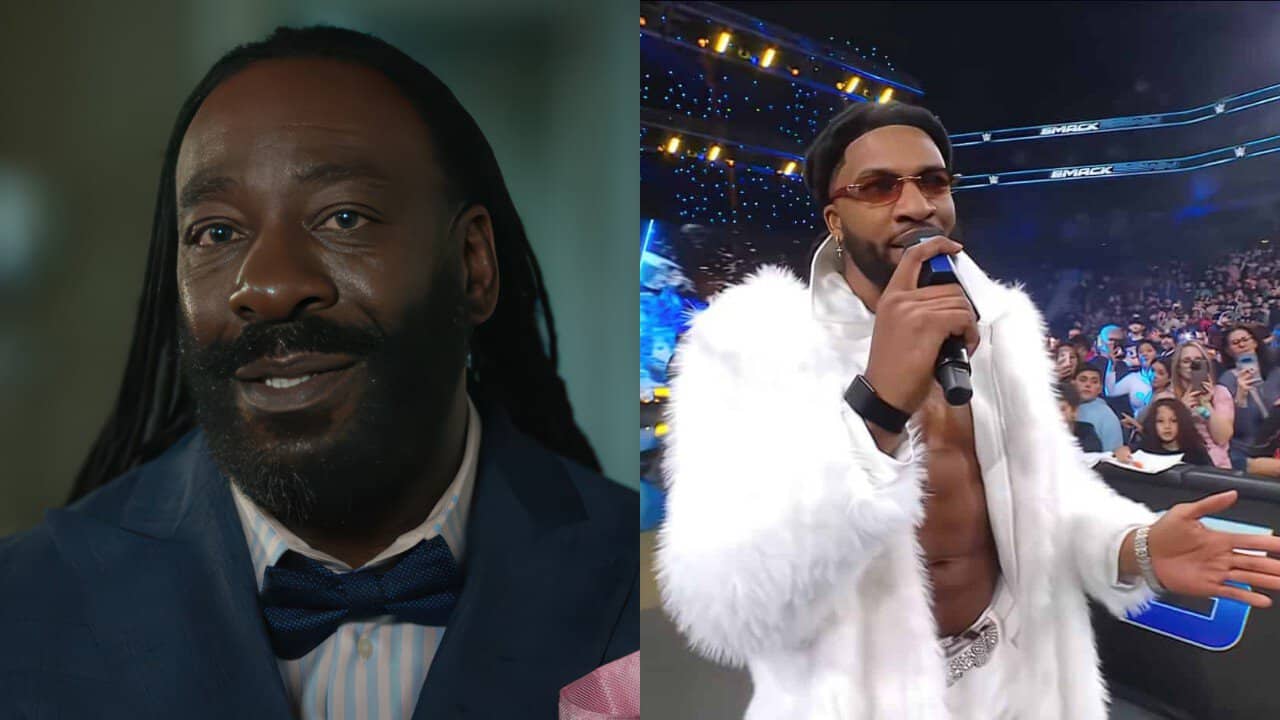
Booker T is teasing a 2027 comeback and it's absolute madness
3 hours ago
Top 10: The Most Impactful Industry Reveals of 2026
3 hours ago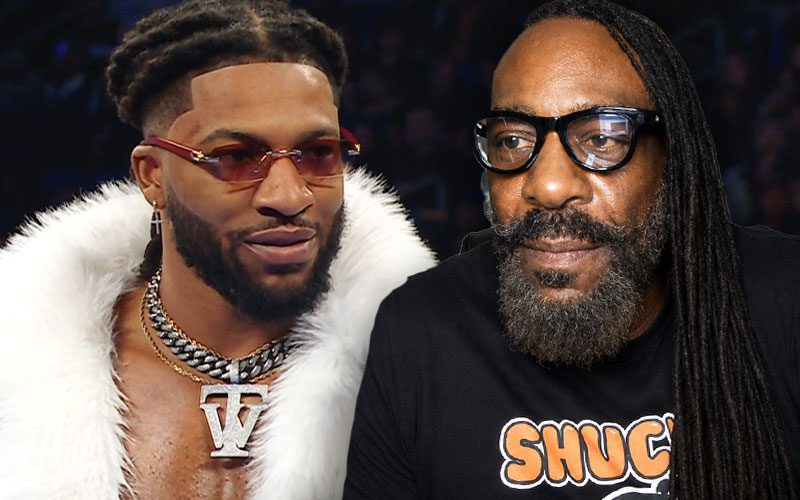
Trick Williams is betting on longevity in an era of quick turnover
3 hours ago
Top 10: Defining Moments of the 2026 Mid-Summer Cycle
3 hours agoMotor City Machine Guns didn't need WWE to prove they're legends
3 hours agoMore Analysis
Top 10: Most Controversial WrestleMania Moments Involving Pro Wrestling Legends
3 hours ago
The Bar reunion talk is a distraction from AEW's real booking headaches
3 hours ago
Booker T is teasing a 2027 comeback and it's absolute madness
3 hours ago
Top 10: The Most Impactful Industry Reveals of 2026
3 hours ago
Jericho versus Ciampa at Redemption is a weird flex that might just work
3 hours ago