The inevitable post-SummerSlam roster binge
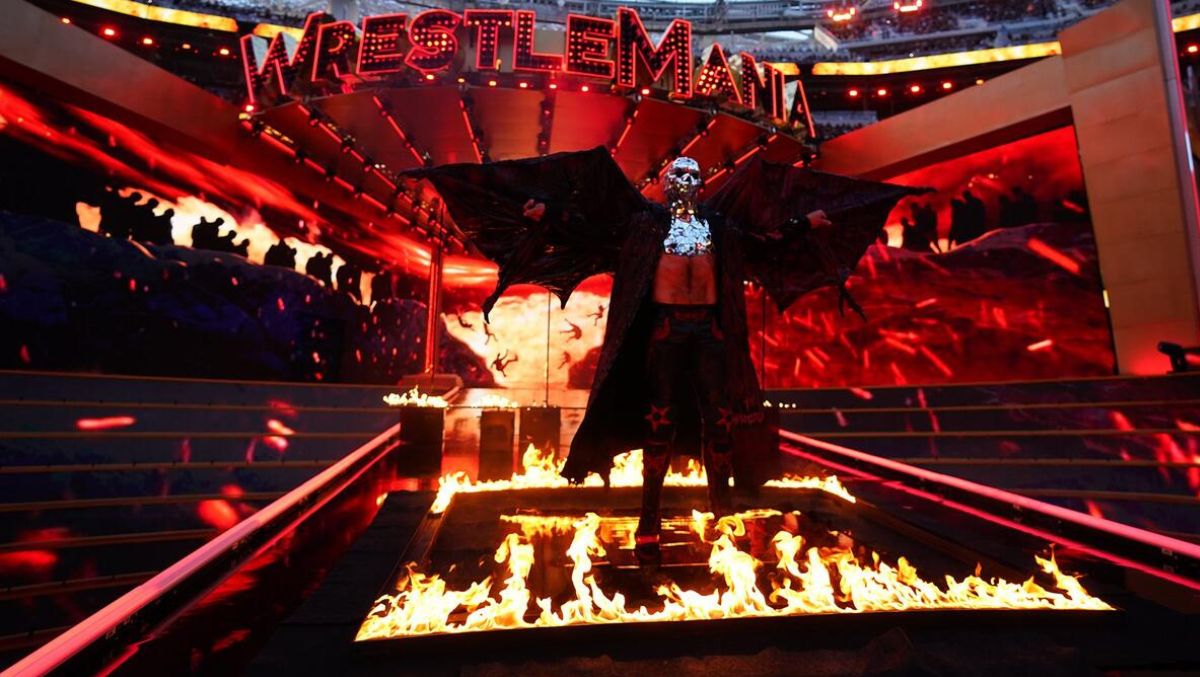
Every year, the cycle repeats. SummerSlam wraps up, the fireworks dim over the stadium, and Triple H decides that the current Raw locker room is somehow lacking depth. The rumors currently circulating suggest that WWE is bracing for a massive influx of new signings immediately following the 2026 spectacle. It feels like we are watching a kid at a toy store with his parents' credit card, grabbing everything off the shelf without checking if he has room for it in his backpack.
We have seen this movie before, and it rarely ends with a coherent narrative. When the company expanded rapidly during the 2019-2021 window, we got segments where legitimate talent was pushed to the sidelines in favor of 90-second squash matches that helped absolutely nobody. Does Raw really need another five guys from the independent circuit when we already have half the midcard appearing only on Main Event or dark matches?
The current buzz is that management is eyeing specific names to bolster the three-hour block. It is a classic move to signal momentum, but it reeks of a company obsessed with collecting action figures rather than writing compelling television. Having a roster of seventy people doesn't make the show look bigger; it makes the creative team look like they have forgotten who half their employees are.
The danger of a stuffed deck
Remember when the cruiserweight division was supposed to be the future? WWE signed every high-flyer on the planet, put them in colorful trunks, and promptly stuck them in a corner away from the main event. It was a failure of focus, not a failure of talent. If they bring in five or six new starters after SummerSlam, who exactly hits the cutting room floor?
The irony is that WWE is already dealing with some of the best creative consistency in years. Gunther is holding the heavy end of the stick, and the bloodline saga—despite the inevitable speed bumps—still draws massive ratings. Injecting a bunch of new bodies into the Raw house shows and the televised taping schedule doesn't fix booking gaps; it just creates them. It's the wrestling equivalent of adding a turbocharger to a sedan that has a flat tire.
The reality of the indie pipeline
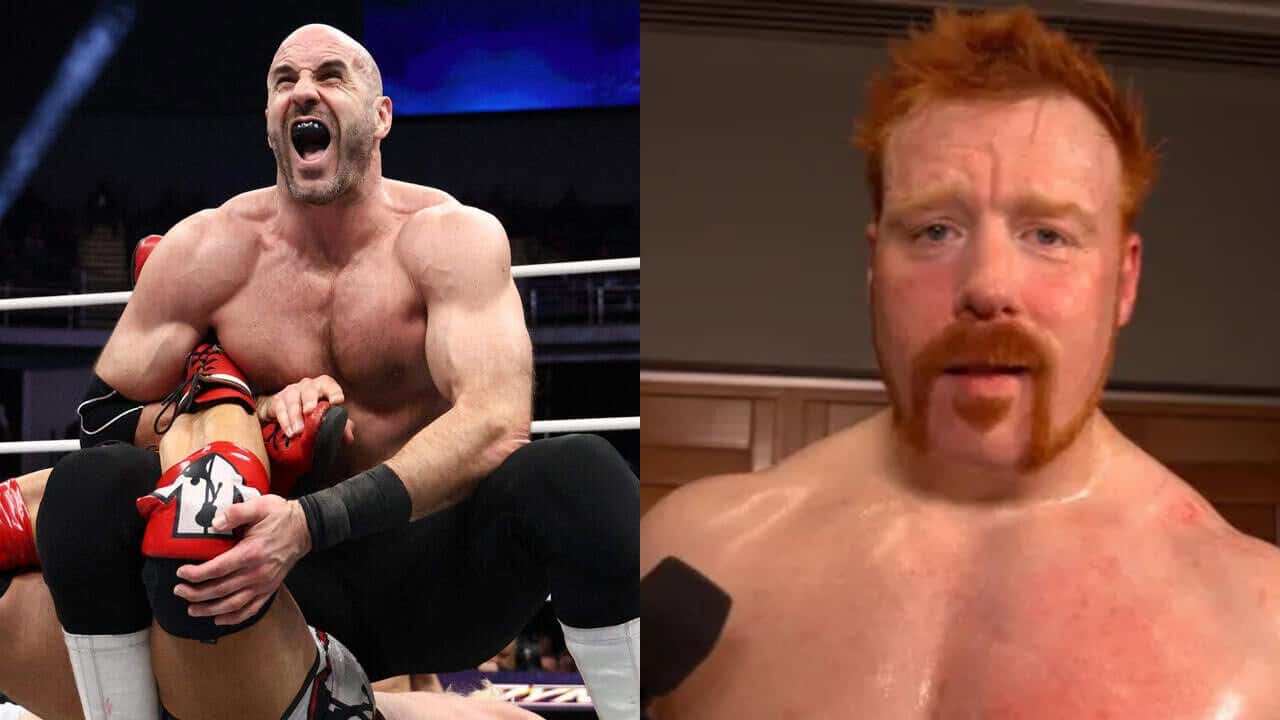
We saw how the reunion rumors regarding Claudio Castagnoli and Sheamus ended up serving as a distraction for AEW, and WWE is prone to the same psychological games. Bringing in outside names is a sugar rush. It gets the internet forums chatting for a week, and then reality sets in when the new guy loses three matches in a row to a veteran just to prove a point about the pecking order.
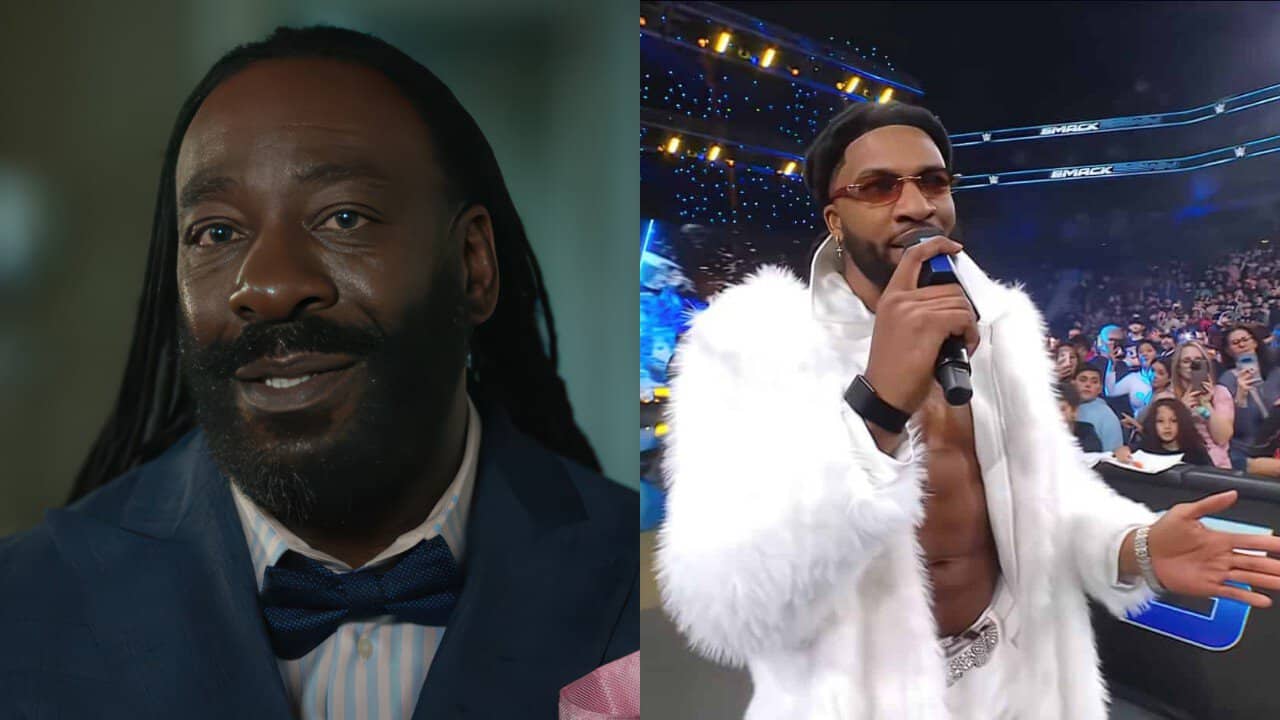
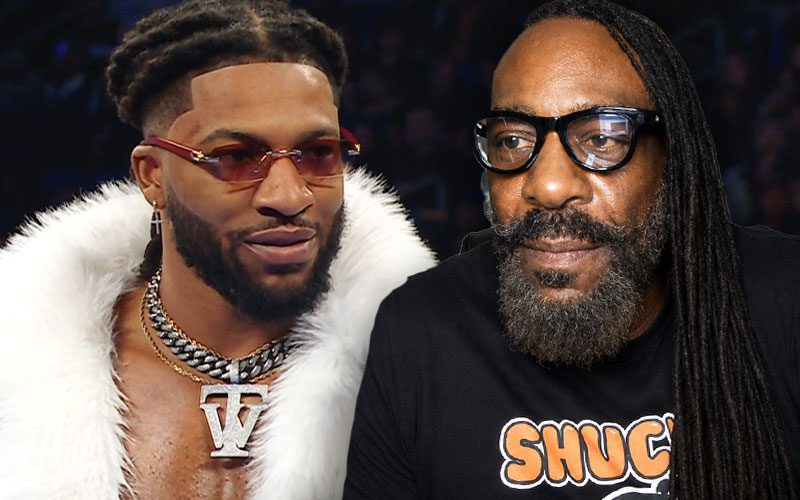
If the plan for the 2026 fall season involves bloating the Raw roster, the brass needs to look at their utilization rate. You cannot push twelve main eventers at once. It is mathematically impossible. Even Booker T talking about a 2027 comeback highlights the bizarre obsession with keeping the past and the present constantly colliding. Why are we so desperate for more bodies instead of better storytelling for the people under contract?
Stagnation disguised as growth
The most frustrating aspect of these post-summer signings is the inevitable stall they create for the current mid-card. Look at the talent currently struggling to break out. They need dedicated airtime, not competition for the same five minutes of a third-hour spotlight. A bloated roster inevitably leads to a lack of individual character development.
WWE is worth an astronomical amount of money right now, but you cannot buy a better product by just throwing names at a dartboard. If these signings are just meant to keep competitors from getting fresh talent, it is a defensive move that hurts the consumer. We deserve to see the stars we have get a fair shake, not a revolving door of people who disappear by November.
Managing a roster, like managing a budget, requires restraint. Triple H has done a good job pivoting away from the Vince-era chaos of the late 2010s, but he needs to avoid slipping back into old habits. Filling the arena with new jerseys doesn't help win the game if the players don't have a playbook. Let us hope these rumored signings are actual needle-movers and not just fillers intended to make the Raw stage look slightly more cluttered.
Look at the 15 percent drop in audience retention during the third hour last month. Adding more matches won't solve that if those matches aren't building toward something tangible. We need fewer arrivals and more focus on the guys who have already earned their spot on the roster list. Talent availability is not the problem; talent management is.