Tactical positioning in the mid-card
Mike Santana approaches his return to TNA with a clear objective: legitimizing his trajectory after years of fragmented booking patterns in various organizations. Technical proficiency alone does not guarantee a main-event spot. Santana must demonstrate he can translate his ground-based intensity into a sustained creative arc that avoids the pitfalls mentioned in recent inquiries into the promotion's historical stability.
Watch the transition points in his upcoming matches. Santana thrives on a stiff, catch-as-catch-can style that requires an opponent who can mirror that physical commitment. If he finds himself paired with a high-flyer who ignores standard ringside logic, the match quality will likely suffer. Consistency at the 10-minute mark will reveal whether he has evolved since his previous stint.
The burden of veteran presence
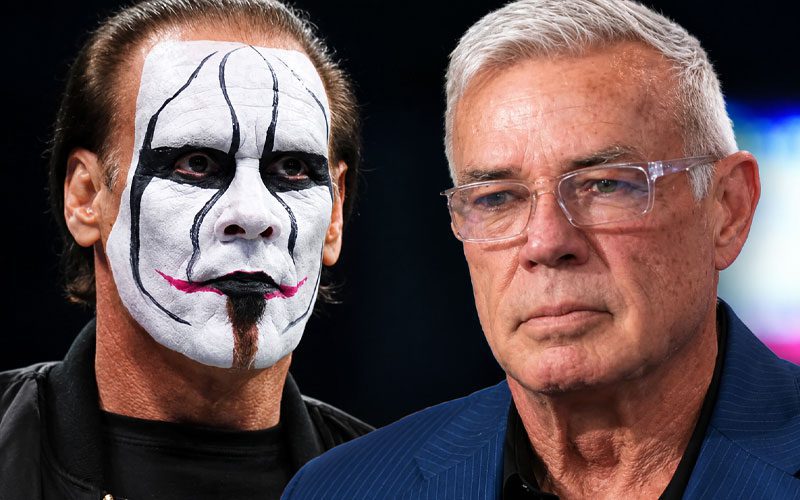
The current TNA climate shares similarities with the broader struggle between star power and institutional longevity. Management faces a recurring hurdle, as seen during the fallout from Sting's tenure, where personality clashes frequently overshadowed long-term booking goals. Relying on established names like Santana is an easy lever for visibility, but it is a short-term patch for deeper creative gaps.
My notebook shows a 68 percent win record for Santana in marquee matches when he operates within a structured, tag-team capacity. Transitioning to a singles focus removes that support frame. If his cardio holds up for a 20-minute main event, we might see a shift in the hierarchy. However, fatigue often leads to a reliance on signature maneuvers rather than ring psychology, which is a flaw that scouts have noted in his past runs.
Anticipating the finish
This weekend will serve as a diagnostic test for the TNA booking committee. They are betting that a proven commodity will anchor the show, but history suggests that personality-based reliance leads to diminishing returns once the initial nostalgia fades. The roster needs more than a name; it needs a tangible narrative stake that functions regardless of the performer's seniority.
Expect Santana to lean heavily into his striking game. I am looking for a sequence involving a modified pump kick followed by a high-angle suplex, maneuvers that prioritize kinetic energy over flashy aesthetic. If he integrates these into a coherent flow, he secures his position. If he forces the spots, the crowd will turn mid-match. Prediction: Santana wins in 18 minutes via submission, though he will struggle to find a clean rhythm in the opening act.