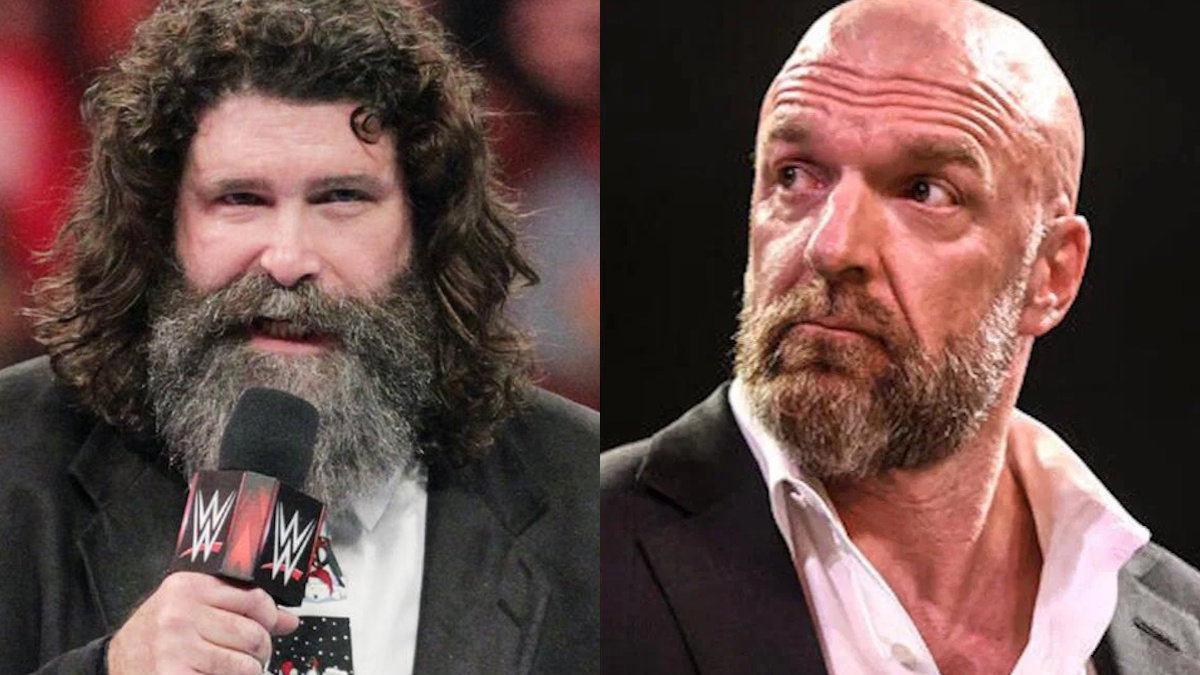
MJF and the reality of the AEW nostalgia trap
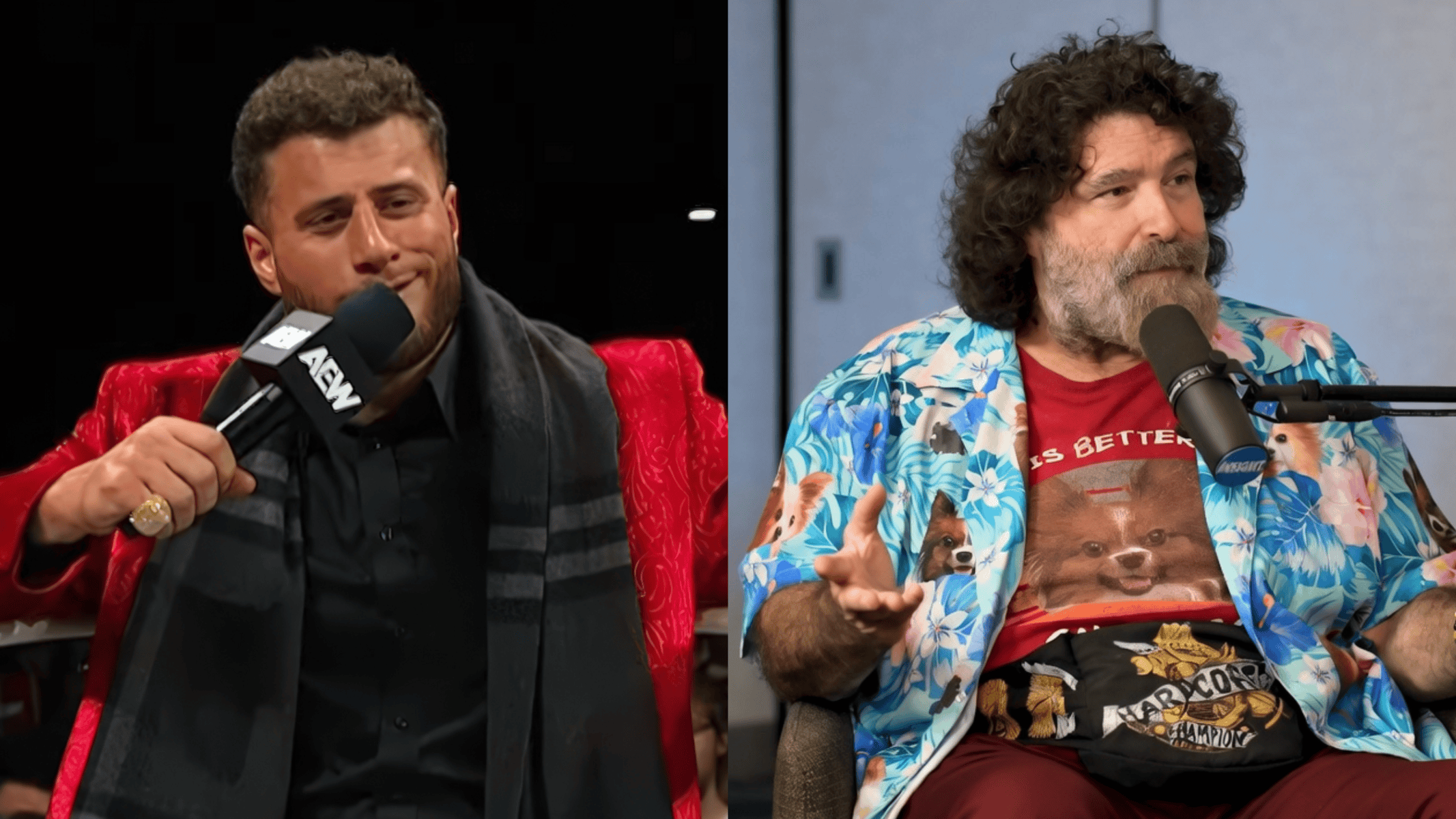
The shadow of legend status in AEW
MJF is currently operating at the peak of professional wrestling narcissism. His recent comments regarding a potential Mick Foley return indicate a move beyond mere kayfabe character work. It is a calculated grab at relevance by anchoring himself to a hardcore icon. The discussion, described by MJF as an actual meeting between the two parties, suggests AEW is flirting with nostalgia to inflate their recent creative direction.
Bringing back a figure like Foley is an admission of creative stagnation. When a promotion relies on retired legends to generate buzz, it signals a failure to produce homegrown heat at the same scale. MJF is talented enough to carry a midcard or main event program without needing the crutch of a legend's endorsement or physical sacrifice. Using Foley feels like a desperate attempt to add gravitas to an angle that should ideally stand on its own merits.
The creative flaw in the gimmick
MJF is at his best when he is dismantling an opponent's ego. Calling Foley a name is a standard heel trope, but it lacks the viciousness of his earlier work against CM Punk or Bryan Danielson. The issue during the 2024-2025 cycle has been a lack of genuine, stakes-driven storylines. We are seeing a pattern where character work outweighs in-ring psychology, leading to matches that feel like secondary spectacles compared to the promos.
The statistics reflect this shift in focus. AEW programming has prioritized extended talking segments, often exceeding 15 minutes, which leaves less time for technical development. If the payoff for this Foley discussion is merely a nostalgic spot-fest at an upcoming event, the company continues to devalue its younger roster. A bump-heavy return for someone of Foley's history is objectively dangerous at this stage in his life, and frankly, the juice is not worth the squeeze.
Staking a claim on the future
WrestleMania 41 is just around the corner, and the industry spotlight is effectively occupied by WWE. AEW needs to pivot toward distinct, long-term storytelling that doesn't feel like a retread of the 1990s. MJF should be the catalyst for this change, not the mouthpiece for a return that belongs in the past. His willingness to sit down with a performer he claims to despise displays an inconsistency in character that fans are beginning to notice.
We need to see a return to technical precision over melodrama. If MJF is serious about being the best performer in the sport, he should focus on building modern rivals rather than exhaling old ghosts. The current trajectory risks turning top-tier talent into nostalgia-act facilitators. AEW has the roster depth to move forward; they simply lack the discipline to stop looking backward at ratings spikes caused by guests. A 1-0 victory in the creative department isn't worth losing the long-term identity of the promotion.
Read Next
- MJF claiming he would rule the Attitude Era is peak delusion
- NXT is morphing into a third major brand, for better or worse
- MJF is leaning into his role as AEW's grand provocateur
- MJF wanting a Wednesday Night Wars doc is the most MJF thing ever
- ⚡ AEW Dynasty 2026 — Full Coverage Hub
- 🎲 AEW Double or Nothing 2026 — Full Coverage Hub
WWE Elite Collection Roman Reigns Top Picks 2026 Action Figure
A highly articulated 'Original Tribal Chief' figure complete with the Ula Fala.
Frequently Asked Questions
Why is the potential Mick Foley return considered a creative flaw?
What is the primary criticism of AEW's recent programming?
How does the author view MJF's current character work?
What does the article suggest is the problem with relying on nostalgia?
What does the author recommend for AEW's future creative direction?
More Coverage

Seth Rollins is running out of patience with the main event scene
4 hours ago
Seth Rollins is playing a long game that the rest of the roster can't match
4 hours ago
Seth Rollins is clearly setting the stage for a WrestleMania 43 main event
4 hours ago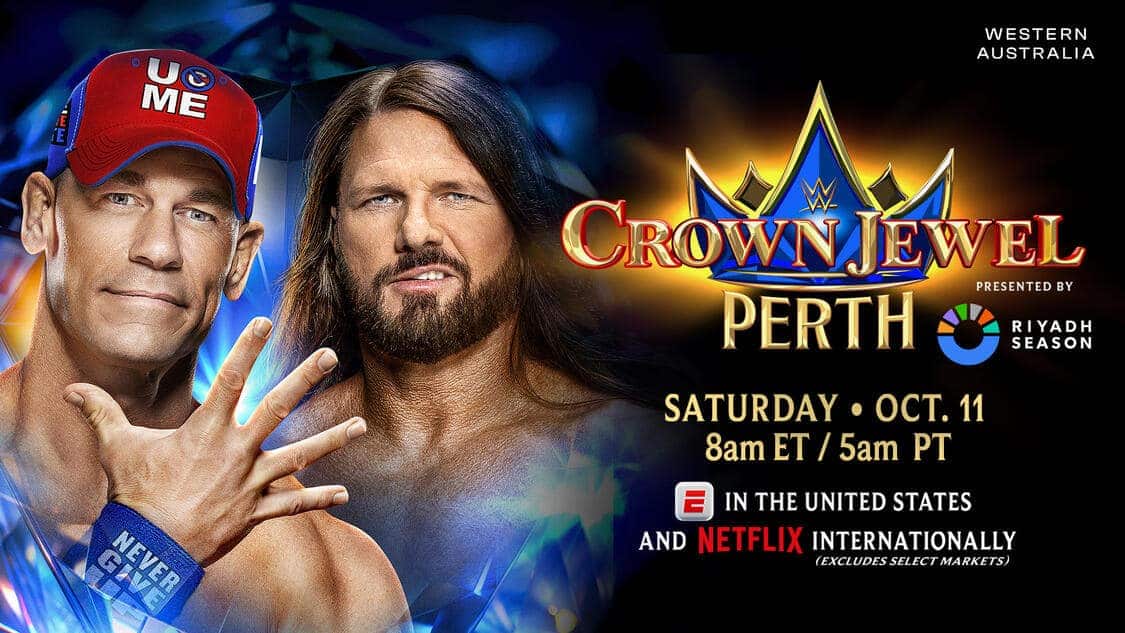
AJ Styles deserves more than a nostalgia act for his final run
6 hours ago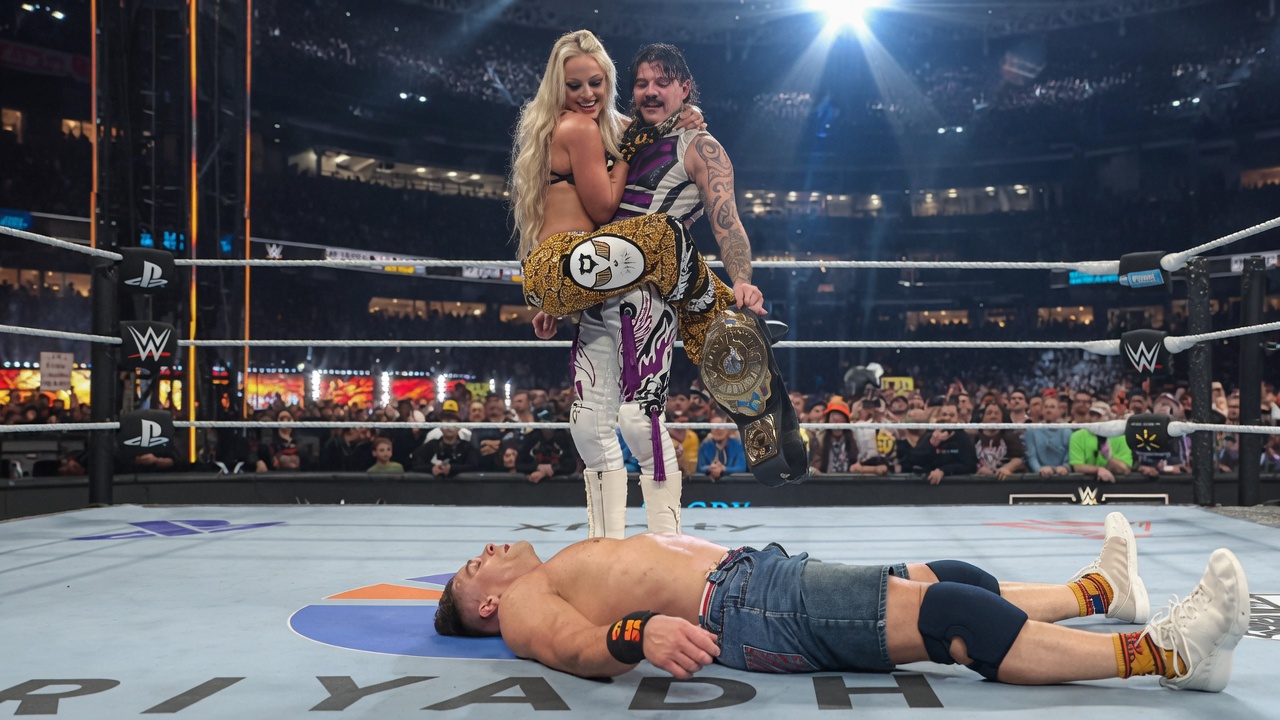
John Cena is heading for a final act collision with The Judgment Day
9 hours ago
Triple H took a nap during the women's division this week
13 hours agoMore Analysis
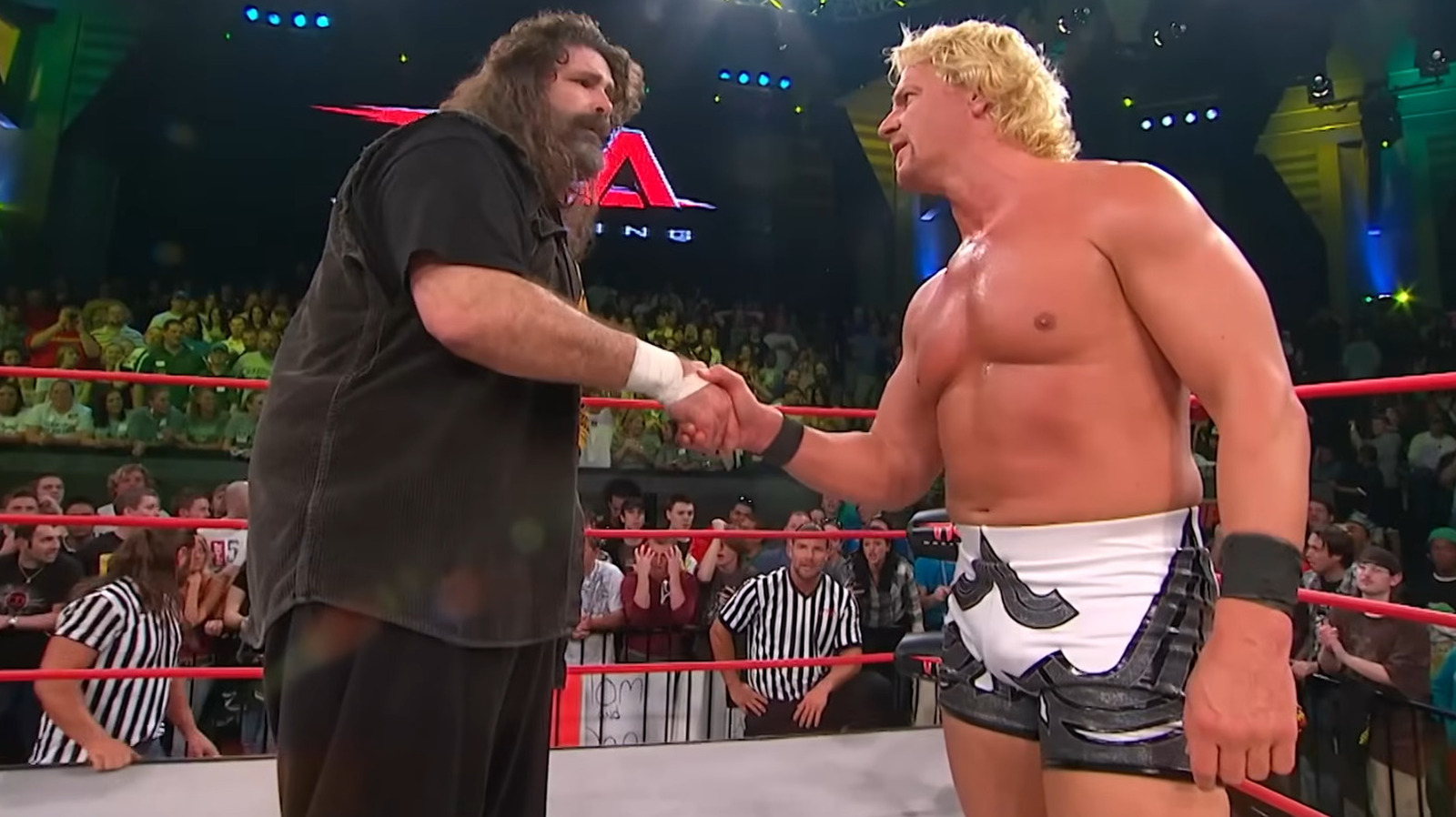
Why AEW should avoid the nostalgia trap with Mick Foley
1 month, 1 week ago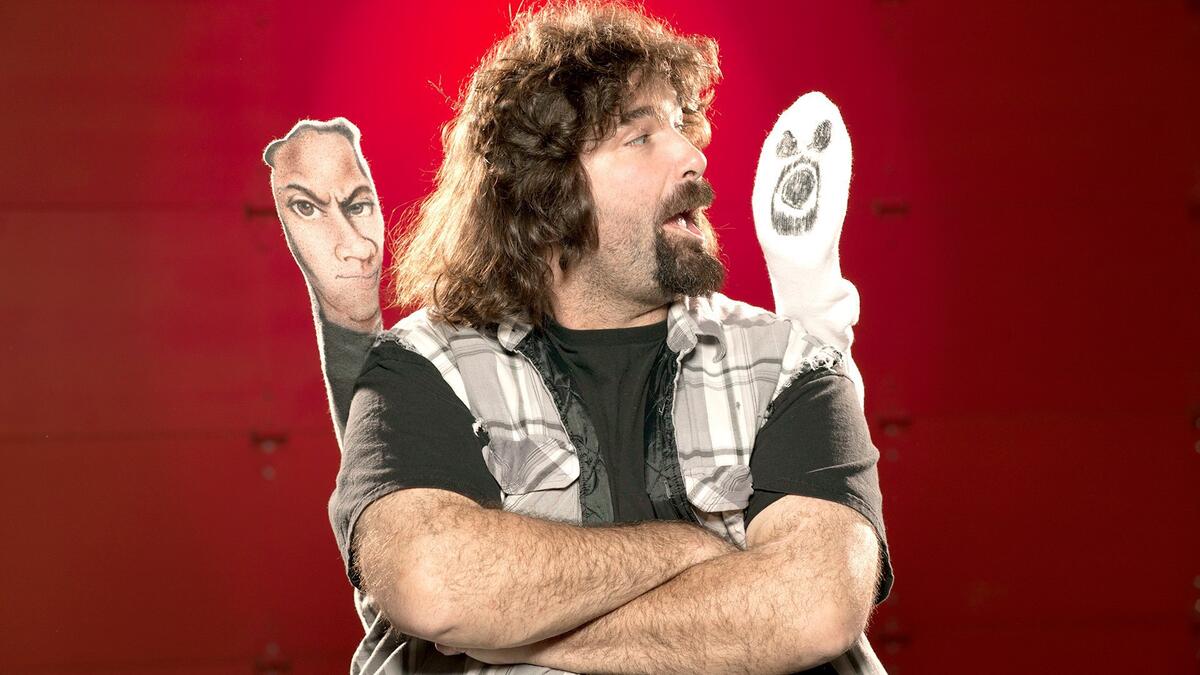
Mick Foley in AEW would be a nostalgia play that misses the mark
2 months ago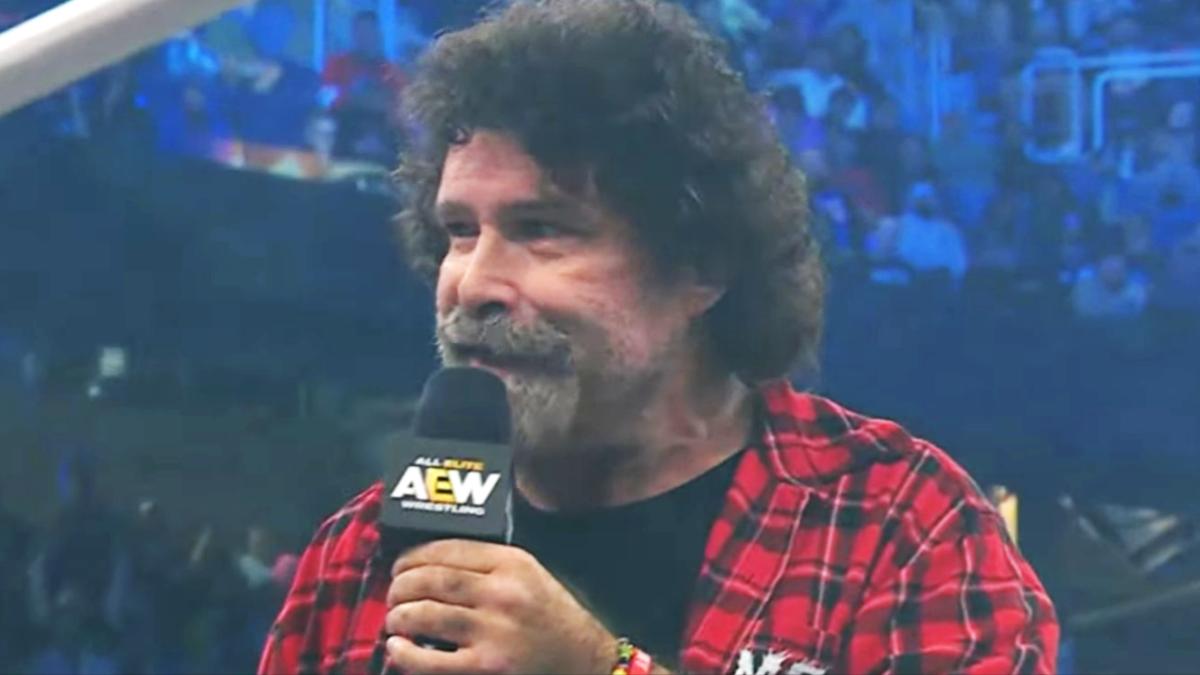
Why Mick Foley showing up at AEW Redemption is a tactical mistake
1 month, 3 weeks ago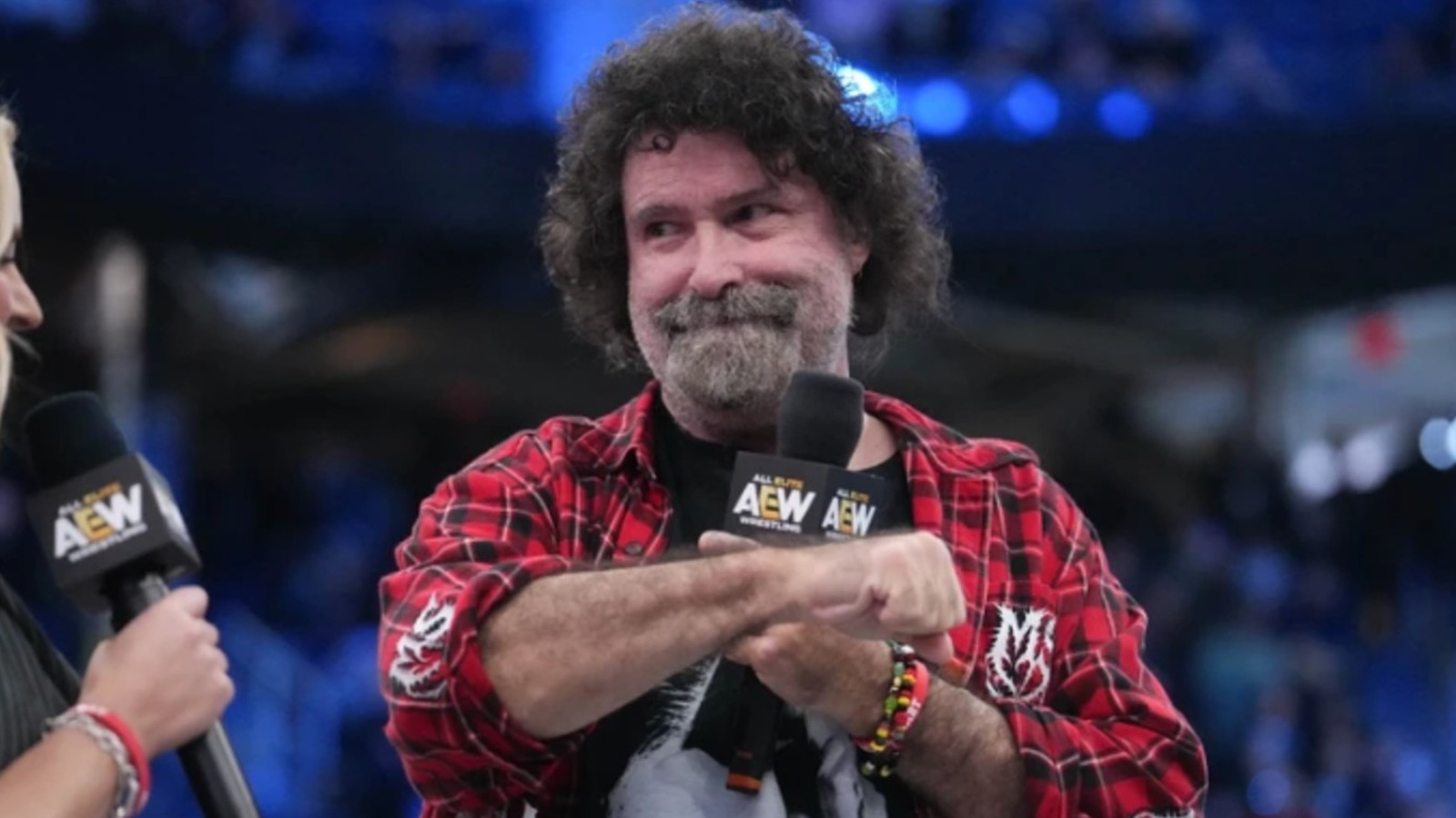
Mick Foley is right about the AEW vs WWE industrial complex
1 month, 2 weeks ago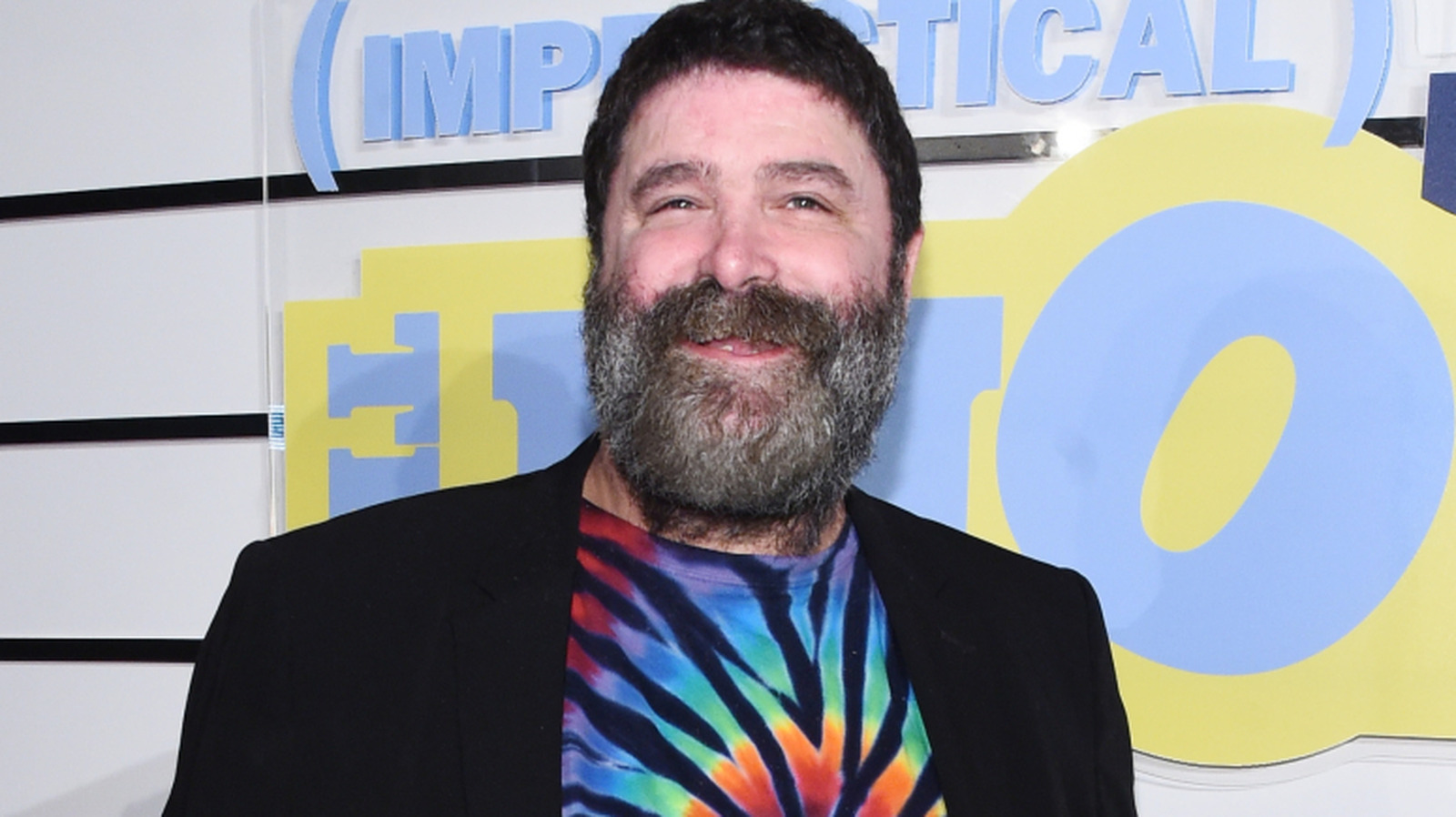
Mick Foley in AEW is a disaster waiting to happen
1 month, 2 weeks ago