The breakdown of a professional relationship
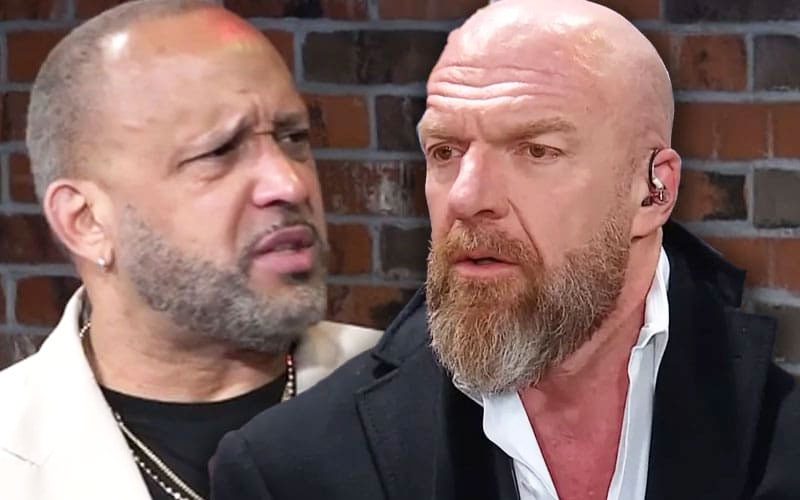
The recent outburst from MVP regarding his WWE departure provides a rare, unfiltered look into the frustration currently simmering behind the curtain of professional wrestling. His public declaration that he views Levesque as a coward and a liar isn't just venting; it highlights a fundamental collapse in internal communication that hampered his final months with the company.
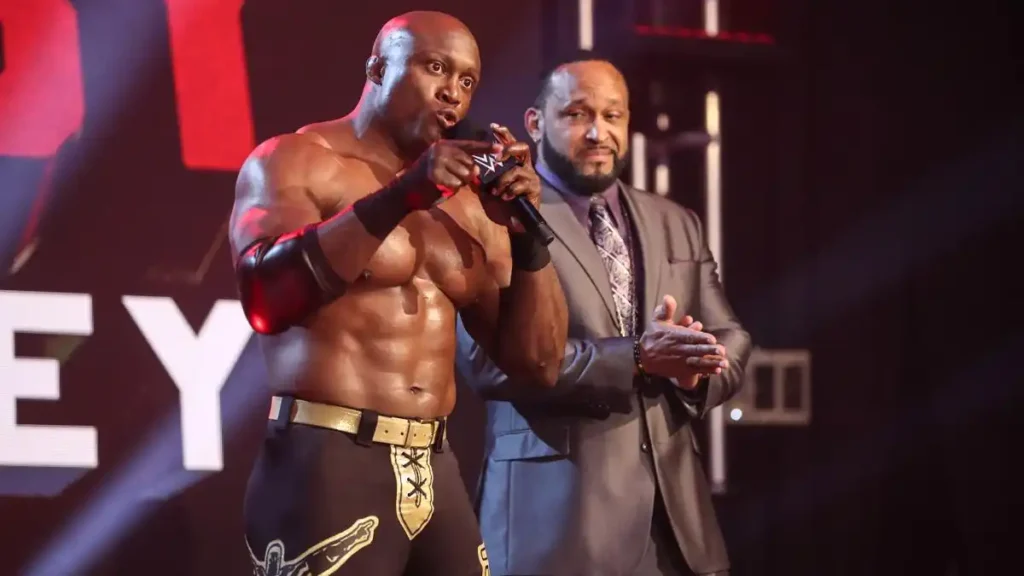
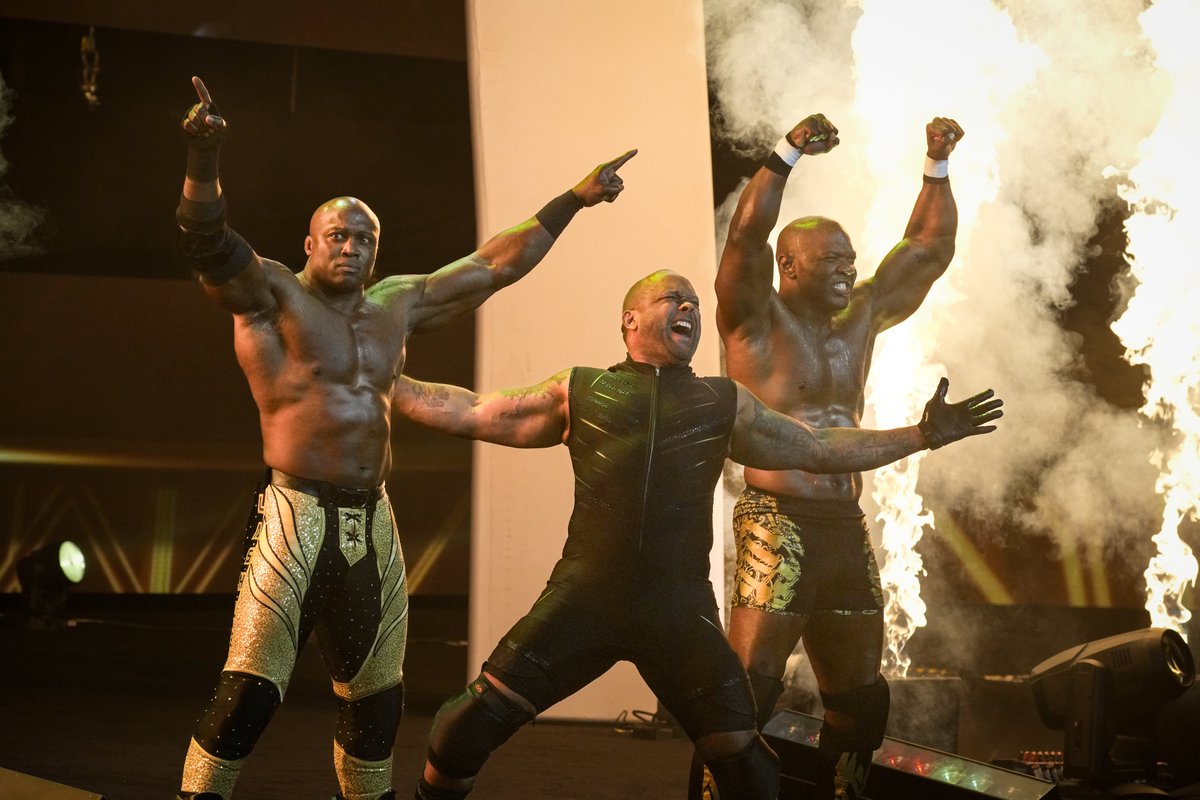
Reports suggest that the friction wasn't caused by a single high-profile argument, but rather by weeks of silence. MVP claims that his efforts to negotiate creative direction for himself and Bobby Lashley were met with consistent, blatant neglect. When communication channels are completely ignored by the decision-makers, professional relationships inevitably deteriorate into public hostility.
Financial friction and the shifting corporate culture
This isn't the first time MVP has highlighted the disconnect between talent and management. His previous comments regarding the absurd costs he incurred under past substance policies serve as a sobering reminder of how draconian internal regulations used to be. Paying a significant portion of a salary toward weed fines is an archaic practice that likely fueled his long-standing distrust of the corporate entity.
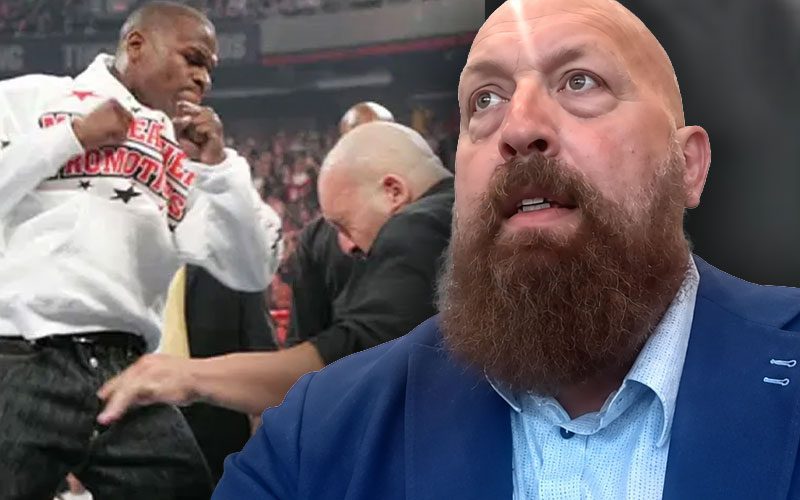
However, the current situation feels more personal. While legends like Paul Wight have previously shared anecdotes about chaotic backstage moments from years ago, the modern issue is clinical rather than physical. Talent usually accepts creative cold shoulders as part of the business, but when legitimate contract discussions are ghosted, it breeds genuine resentment.
The cost of ignoring core talent
From a booking perspective, failing to engage with established stars like Lashley and MVP creates a vacuum of leadership. When you have performers who can cut high-level promos and anchor a segment, leaving them in limbo for months is a strategic blunder. You lose more than just two bodies on the roster; you lose the loyalty of the locker room.
Critics will argue that MVP is simply being difficult, but the math supports his disappointment. If you aren't being told no, you are simply being ignored, which is far worse for a performer’s trajectory. It suggests a lack of foresight in how to utilize veterans who still have high mileage left in their prime.
The bitter reality of the transition
The professional fallout is 100 percent guaranteed to affect how observers view current management's ability to handle veteran talent. You cannot claim to value an athlete's contributions while actively refusing to acknowledge their inquiries. This isn't just a difference of opinion; this is a failure of basic personnel management.
MVP is now moving forward on his own terms, but the damage to his relationship with the company is likely permanent. I anticipate that this narrative will overshadow any upcoming PLE momentum because fans demand transparency from the people holding the pen. This serves as a reminder: in this industry, silence is rarely golden. It is usually a precursor to a public exit.