The Battle Over Pro Wrestling Dues
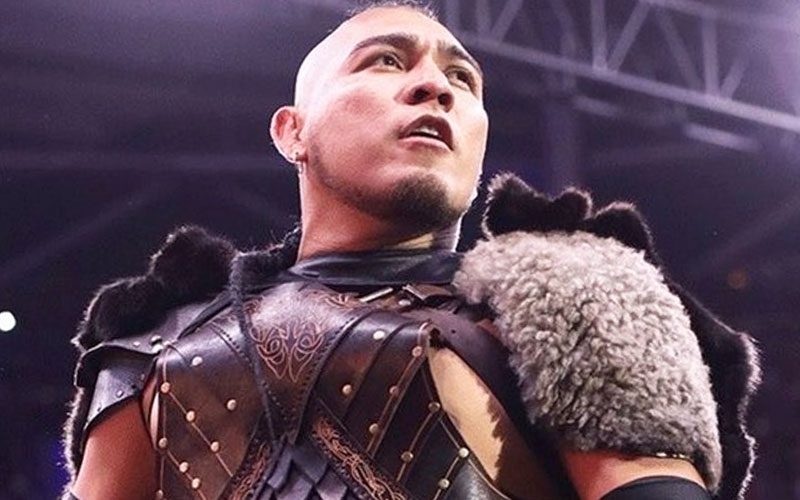
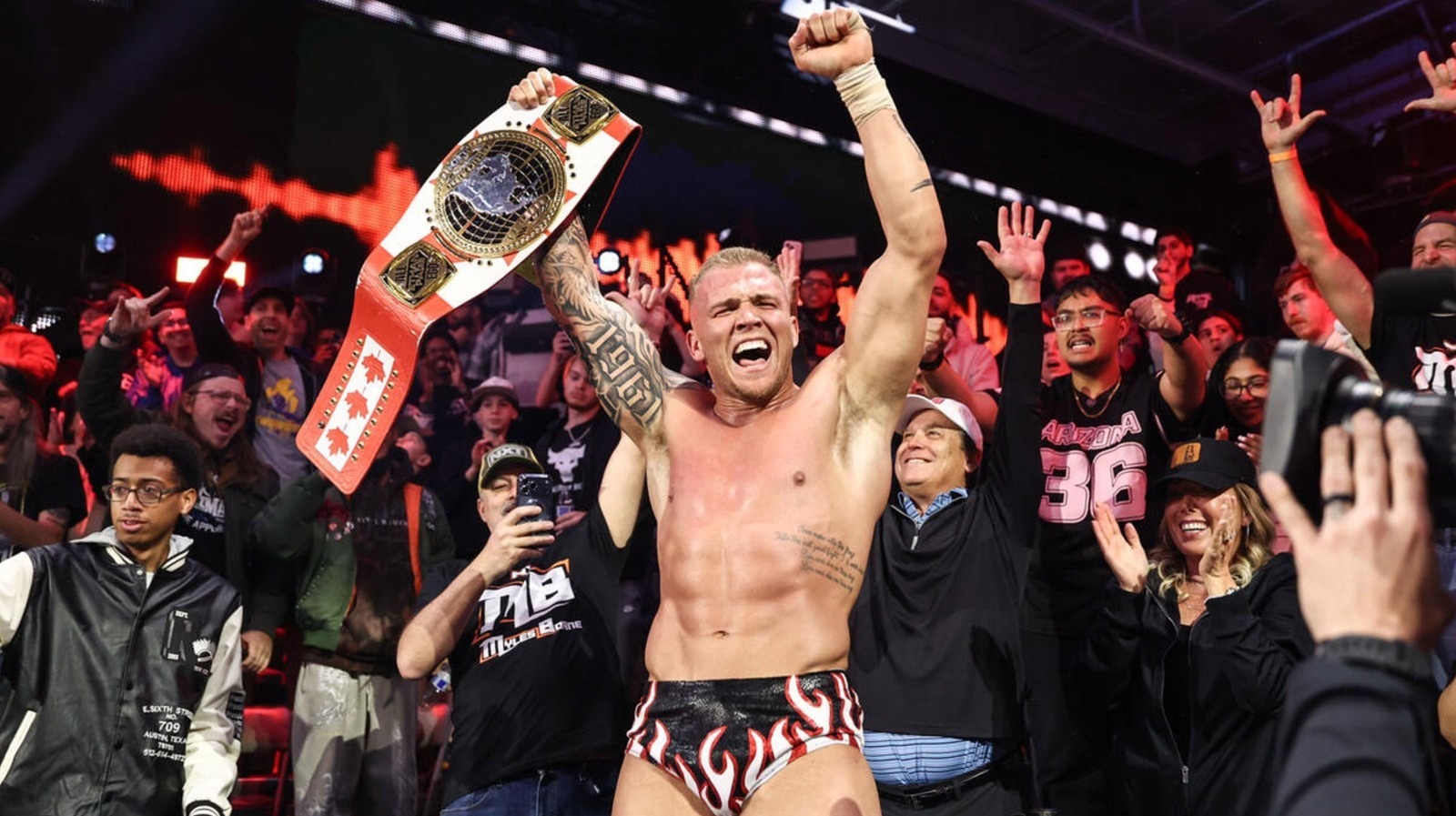
Professional wrestling has a gatekeeping problem. For decades, the consensus was clear: if you did not spend years driving through midnight snowstorms to perform in front of forty people in a high school gym, you did not belong. The NXT North American Champion Myles Borne is currently fighting that narrative head-on.
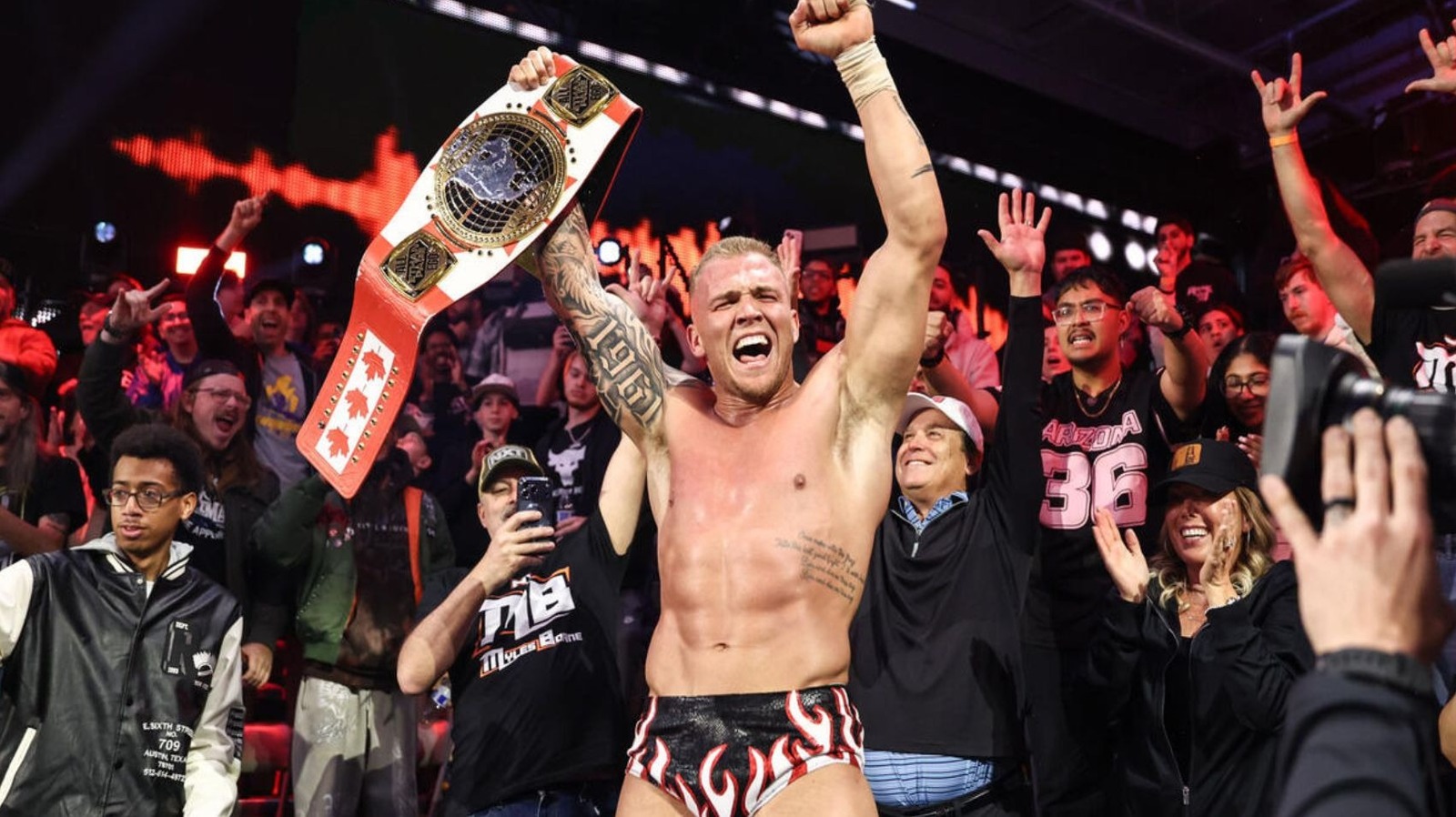
Borne won the title from Ethan Page on February 24, 2026, in a match that signaled a change of guard. Since then, he has consolidated his position, most recently defending the championship against Tavion Heights at the Great American Bash on June 28, 2026. Yet, the chatter about his background remains persistent.
In a recent appearance on the Complex Graps podcast, Borne did not mince words about the critics who claim he bypassed the grind. As Ringside News reported, Borne understands the protectiveness of the indie scene, but he rejects the idea that his route was easy.
“I come from, I believe, one of the hardest sports there is. It’s amateur wrestling. You’re in a fight every day. And it’s a grind.”
For Borne, 16 years of folkstyle wrestling was his version of the indies. He describes the grueling reality of weight cutting, constant dehydration, and performing at an elite level while physically depleted. To him, the dark sauna rooms were just as taxing as any layout on a gymnasium floor.
The stable dynamics also loom large over this title reign. Borne and Heights both spent their formative NXT months under the thumb of the No Quarter Catch Crew. Borne won his freedom from Charlie Dempsey on June 3, 2025, while Heights followed on July 29, 2025.
The faction itself officially disbanded on March 10, 2026. This left both men to find their footing as singles competitors in a crowded division.
The Technical Clash on the Mat
This philosophical divide is about to manifest in the ring. The Vanity Project’s leader, Jackson Drake, is positioning himself as the ultimate gatekeeper of the indie style. Drake has been vocal that Borne is an outsider who does not respect the sport's traditions.
The tape shows a fascinating tactical matchup between these two. Borne relies heavily on his amateur base, using a low stance to control the center of the ring. His transition from a double-leg shootout into a waist-lock is exceptionally quick, allowing him to dictate where the match goes.
Drake, by contrast, is a product of the modern independent style. He uses high-angle suplexes, sudden transitions, and a heavy dose of psychological warfare. While Borne wants to grind his opponent down, Drake seeks to create chaos and exploit defensive lapses.
But Borne is not without flaws, and his recent matches expose some clear vulnerabilities. His average singles title defense duration sits at a relatively brief 9 minutes and 42 seconds. This short window suggests that Borne has yet to show he can sustain his intense physical style over a twenty-minute epic.
We saw this lag in his March 3 title rematch against Ethan Page. Page dragged Borne past the ten-minute mark, causing the champion's lateral movement to visibly slow. His double-leg shots became desperate, leaving him repeatedly caught in front headlocks.
If Drake can replicate that pacing on Tuesday, he will find a path to victory.
The Numbers Behind the Mat Control
A closer look at the mat metrics reveals how Borne wins. In his match against Heights at the Great American Bash, Borne secured control of the match's tempo early. He maintained top-position control for 84% of the grappling sequences.
Here is how Borne's tactical approach stacks up against Drake's high-risk style:
- Mat Control: Borne averages 6.2 minutes of ground control per ten minutes of match time, compared to Drake's 2.8 minutes.
- Strike Accuracy: Drake connects on 78% of his standing strikes, frequently using a rolling elbow to set up his finisher.
- Escape Rate: Borne has escaped 91% of submission attempts this year, utilizing his core strength to slide out of arm-bars and crossfaces.
However, Borne has a tendency to leave his neck exposed during early double-leg shoots. Against a savvy counter-wrestler like Drake, who uses a snap guillotine choke, this habit could prove fatal. We saw this vulnerability briefly at the Great American Bash, when Heights almost locked in a front chancery before Borne escaped to the ropes.
Drake is also highly effective at transitioning from a defensive sprawl directly into a crossface. If Borne shoots lazily, he will find himself locked in the center of the ring. That is where Drake's years of indie experience will pay off, as he knows exactly how to apply pressure to a wrestler's neck.
Defending Against The Vanity Project
The tactical equation is further complicated by the presence of The Vanity Project. Brad Baylor and Ricky Smokes, collectively known as Swipe Right, currently hold the NXT Tag Team Championships. They have shown zero hesitation when it comes to interfering on Drake's behalf.
We saw this play out on the June 16 contender's match, where Swipe Right tried to swarm the ring. Borne's intervention was the only reason Heights secured his title shot. That intervention has now drawn the full wrath of the faction onto the champion.
On the July 7 episode, Drake confronted Heights, claiming that Borne’s interference ruined his championship path. When the numbers game caught up to Heights, Borne sprinted down the aisle to level the field. The former No Quarter Catch Crew members are standing together again, but their alliance is fragile.
Borne’s decision to back Heights is noble, but it might be tactically foolish. By dividing his attention between his own title defense and Heights’ war with Swipe Right, Borne is opening himself up to an ambush. Drake is too smart not to exploit a champion who is looking in two directions at once.
Furthermore, Swipe Right's presence at ringside will force Borne to play defense. He cannot afford to commit to deep double-leg takedowns if Baylor is pacing the apron. That hesitation will give Drake the split-second he needs to hit his high-impact offense.
If Borne wants to retain, he must keep the match inside the ropes. The moment this becomes a chaotic brawl on the floor, the advantage swings entirely to Drake and his stablemates.
The Verdict: Strength Against Chaos
When the bell rings, the talking stops and the physical realities take over. Drake will try to drag Borne into a high-paced, disjointed brawl to wear out the champion's amateur stamina. He will rely on quick strikes and constant movement to prevent Borne from locking him down.
But Borne's strength is his capacity to absorb punishment and stay on his line of attack. He has shown that he can perform when he feels like crap, a trait forged in those grueling weight cuts. Once Borne gets his hands on Drake, the difference in pure physical power will become obvious.
“I put my body through so much more than anybody knows about who wasn’t in those dark sauna rooms.”
Drake will get his openings, especially if Baylor and Smokes find a way to distract the referee. A late-match referee bump is almost guaranteed given The Vanity Project's history. But Heights will likely neutralize the outside interference, leaving the two men alone in the ring.
My prediction is a grueling, physical encounter that pushes Borne past his ten-minute comfort zone. Drake will lock in a deep guillotine choke around the twelve-minute mark, testing the champion's resolve. Borne will power through, using a northern lights suplex to break the hold before hitting The Borne Again for the pinfall victory at 14:15.
Borne will retain, but he will leave the ring with a clear understanding of just how high the price of admission is on the singles scene.
Read Next