
Why Eric Young is returning to WWE as a player-coach
The Boston Exit and the NXT Blueprint
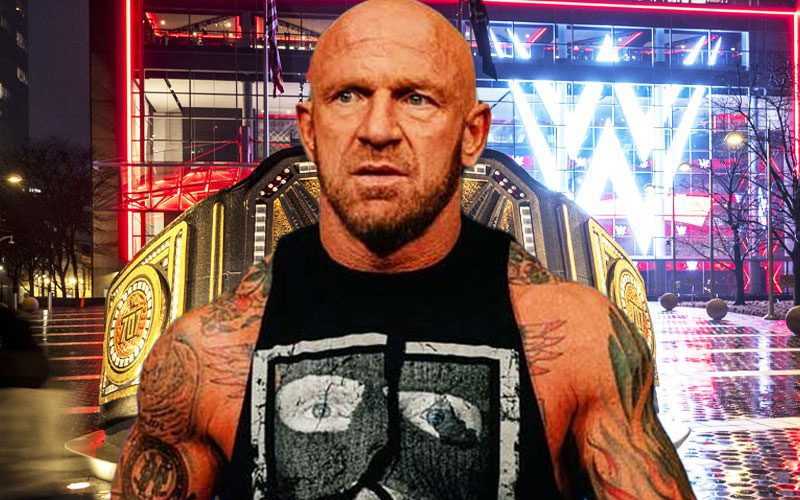
The professional wrestling industry is processing the sudden departure of a tenured veteran from the secondary market circuit. On July 1, 2026, TNA Wrestling officially announced the contractual release of two-time world champion Eric Young. Dave Meltzer reported on Wrestling Observer Radio that WWE already has a very specific lane carved out for the veteran in NXT.
This development marks a significant shift in how WWE builds its modern developmental system. According to the Ringside News coverage, the promotion plans to install Young in a player-coach role that mirrors the path of Shawn Spears. The brand requires experienced hands to anchor the programming during its upcoming move to the CW Network.
The official announcement of Young's departure was unusually brief. TNA Wrestling released a statement confirming they had come to terms on the release effective immediately. The promotion acknowledged his twice-reigned run as TNA World Champion, wishing him success in his future endeavors.
This signing is not designed to trigger a brief nostalgia run on the main roster. It is a deliberate, tactical acquisition meant to steady a locker room filled with raw college athletes. Young provides NXT with immediate in-ring stability as the brand prepares for its upcoming television expansions.
The Sosa Lesson and the Art of the Veteran Foil
We must examine the final televised performance of Young's TNA run to understand his tactical value. On June 28, 2026, at Slammiversary in Boston, Young faced rookie sensation Ricky Sosa in a non-title singles match. The entire narrative of the match was built on a clash of physical philosophies and generational styles.
Sosa represents the modern, high-flying style that prioritizes rapid transitions and immediate crowd reactions. Young, conversely, is a traditionalist who understands how to build drama through spacing, timing, and logical selling. During the build on the June 25 go-home show, Young cut a promo warning the rookie that having viral clips means nothing in a real fight.
The match at the Agganis Arena showed exactly why Young remains a valuable asset for any developmental locker room. He spent the first five minutes grounding Sosa, using simple headlocks and side suplexes to control the pace of the contest. By limiting the rookie's airspace, the veteran effectively dismantled the modern style that relies purely on momentum.
Every time Sosa attempted a high-risk springboard maneuver, Young was in position to cut off the momentum with a stiff lariat. This deliberate pacing forced the rookie to fight through a structured match rather than relying on rapid sequences. Young proved that a veteran does not need to win the match to elevate his opponent.
The Mechanics of the Player-Coach Role
Dave Meltzer outlined the exact strategy for Young's return during his radio broadcast. The plan is to utilize Young as an NXT player-coach, a role that has already been tested with Shawn Spears. Meltzer noted that September has been targeted for the debut, though the exact timeline remains subject to minor scheduling adjustments.
We can evaluate the success of this template by looking at how Spears has been utilized in NXT. Spears has worked brief television matches, absorbed clean losses to protect younger talent, and spent his off-screen hours mentoring the next generation.
This is a significant distinction that separates players from coaches in the developmental system. Young is not returning to win championships or dominate the main-event spotlight. His primary value lies in his ability to run practice drills, teach match structure, and guide raw prospects through their first televised matches.
Meltzer explained that the plan is for Young to operate in the exact same capacity as Shawn Spears. This role requires a rare combination of physical capability and backstage selflessness. He will be expected to guide the developmental talent while occasionally stepping into the ring to anchor key matches.
Most veterans struggle to accept a position that requires them to lose matches to younger, less-experienced athletes. Spears has demonstrated that this model works, and Young possesses the same professional mindset. The brand values this level of professionalism far more than a single nostalgia pop.
“So he’s basically going to be in the same role Shawn Spears has — an NXT player-coach. That’s literally what I was told.”
The Critical Flaw: Veteran Congestion in NXT
However, this player-coach strategy is not without its operational risks. Our primary negative observation centers on the potential for veteran congestion in NXT's television matches. If WWE continues to add veteran hands like Young, Spears, and Ridge Holland, they risk crowding out the actual prospects.
NXT is, at its core, a developmental territory designed to prepare rookie athletes for the main roster. A typical two-hour broadcast has a finite number of television segments and match blocks. When veterans occupy these slots, rookies like Je'Von Evans or Trick Williams have fewer opportunities to make mistakes on live television.
This coaching strategy also highlights a tension in WWE's talent recruitment policy. The promotion has shifted its focus away from independent wrestlers toward collegiate athletes who lack early ring experience. While these athletes have remarkable physical capability, they require years of hands-on mentoring to understand match psychology.
We must also analyze the physical toll of this player-coach system on the veteran. Young is a two-time world champion who has worked a physical style for over two decades. Expecting him to work matches and run training sessions at the Performance Center is a demanding workload.
If the veteran gets injured, the coaching structure collapses, leaving the roster without its locker room anchor. The creative team must balance the usage of these coaches to ensure they do not become the focus of the show.
TNA's Box Office Decline and the Need for a Clean Break
We must also look at TNA's business metrics to understand why this release happened so quickly. According to internal reports, TNA Wrestling chose to release Eric Young amid a series of company cuts. The promotion is currently struggling to convert television viewership into paying live gates.
For Slammiversary on June 28, TNA distributed only 2,371 tickets for the Agganis Arena. The venue's capacity was capped at 3,122, exposing a flat local market in Boston. To make matters worse, the cheapest ticket price crashed by 39.5% in the secondary market, dropping from $61.90 to $41.45.
This ticketing decline was mirrored by a collapse in television metrics just days before the event. The June 25 go-home episode of TNA Impact drew only 188,000 viewers. This viewership represents a steep 26% decline from the previous week's broadcast, which drew 255,000 viewers.
The go-home show also pulled a flat 0.02 rating in the key 18-49 demographic. A major pay-per-view build is supposed to generate urgency, but the stale, formulaic booking did the exact opposite. By releasing high earners like Young, TNA is attempting to stabilize its balance sheet.
This clean break benefits both parties. TNA sheds a significant contract during a period of financial restructuring, while Young gets a stable WWE position. It allows the veteran to transition into a coaching role without the physical wear and tear of a full-time touring schedule.
“TNA Wrestling has come to the terms on the release of Eric Young effective immediately. EY has had a legendary TNA career, including twice as TNA World Champion.”
The Long-Term Tactical Fit
As WWE NXT prepares for its television expansion, the Performance Center requires experienced teachers. The promotion has signed a massive wave of college athletes who possess elite physical tools but zero wrestling background. These recruits can run, jump, and lift, but they do not know how to tell a story in the ring.
Young's career is a masterclass in wrestling psychology. He has worked as a comedic babyface, a menacing heel leader in Violent By Design, and a main-event champion. He knows how to get a reaction from a crowd without taking unnecessary physical risks.
Reports indicate that WWE was expected to show interest in bringing Young back the moment he became available. The speed of this transition suggests that both parties saw the mutual benefit of a player-coach agreement. It provides the veteran with a stable environment while giving WWE a reliable Performance Center asset.
Young will likely begin his Performance Center duties immediately, helping to prepare the roster for the fall television season. His in-ring appearances will be structured to highlight the strengths of his students. He represents the ultimate tactical safety net for a division that is growing at a rapid pace.
NXT's future will be built on these veteran foundations. By pairing raw athletes with seasoned minds like Young, WWE is ensuring the next generation learns the business from the ground up. It is a long-term investment that prioritizes structural safety over temporary television ratings.
WWE Elite Collection Series 109 The Rock Action Figure
Highly articulated action figure for fans who want to recreate iconic spots.
Frequently Asked Questions
When did TNA Wrestling release Eric Young?
What role will Eric Young have in WWE NXT?
Who did Eric Young face in his final TNA match?
Why is WWE signing experienced veterans for NXT?
How did Eric Young structure his match against Ricky Sosa?
More Coverage

WWE's latest indie crackdown shows the WWE ID program is built to fail
an hour agoTop 10: Top Moments
2 hours ago
Top 10: Top Moments
4 hours agoRanking the SummerSlam 2026 card from absolute trash to match of the year
8 hours agoAdrenaline in My Soul vs. Acknowledge Me: A Fan's Honest Look at the Cody Rhodes Elite and Roman Reigns Funko Pop
8 hours ago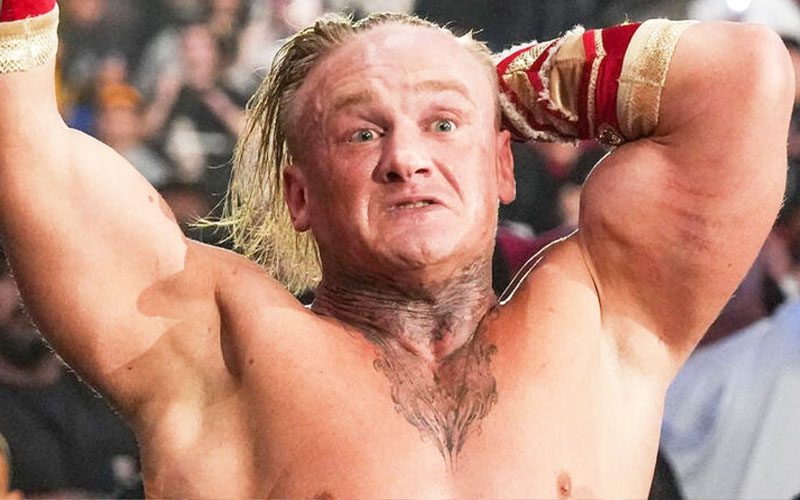
Why Cody Rhodes vs Jey Uso is the tactical reset SmackDown desperately needs
9 hours agoMore Analysis
Kyle Fletcher avoids disaster in San Diego ahead of Dynamite title clash
an hour ago
Mercedes Moné has the Owen Hart Cup, but fans are split on the CEO
an hour ago
Why Roman Reigns cannot shake his Seth Rollins statistical curse
an hour ago
Why Seth Rollins is Roman Reigns' ultimate statistical nightmare
an hour ago
Kyle Fletcher avoids disaster in San Diego ahead of Dynamite title clash
an hour ago