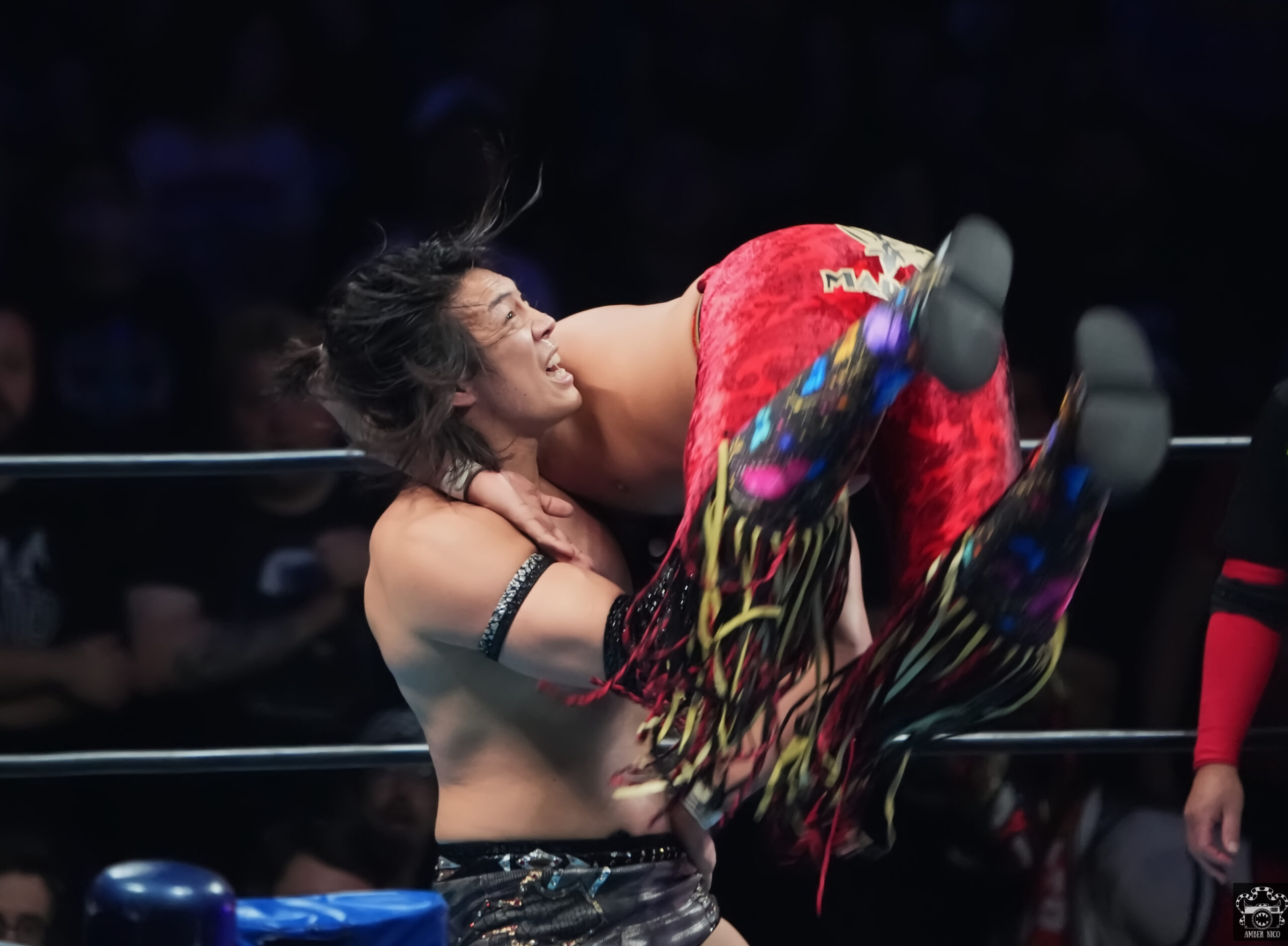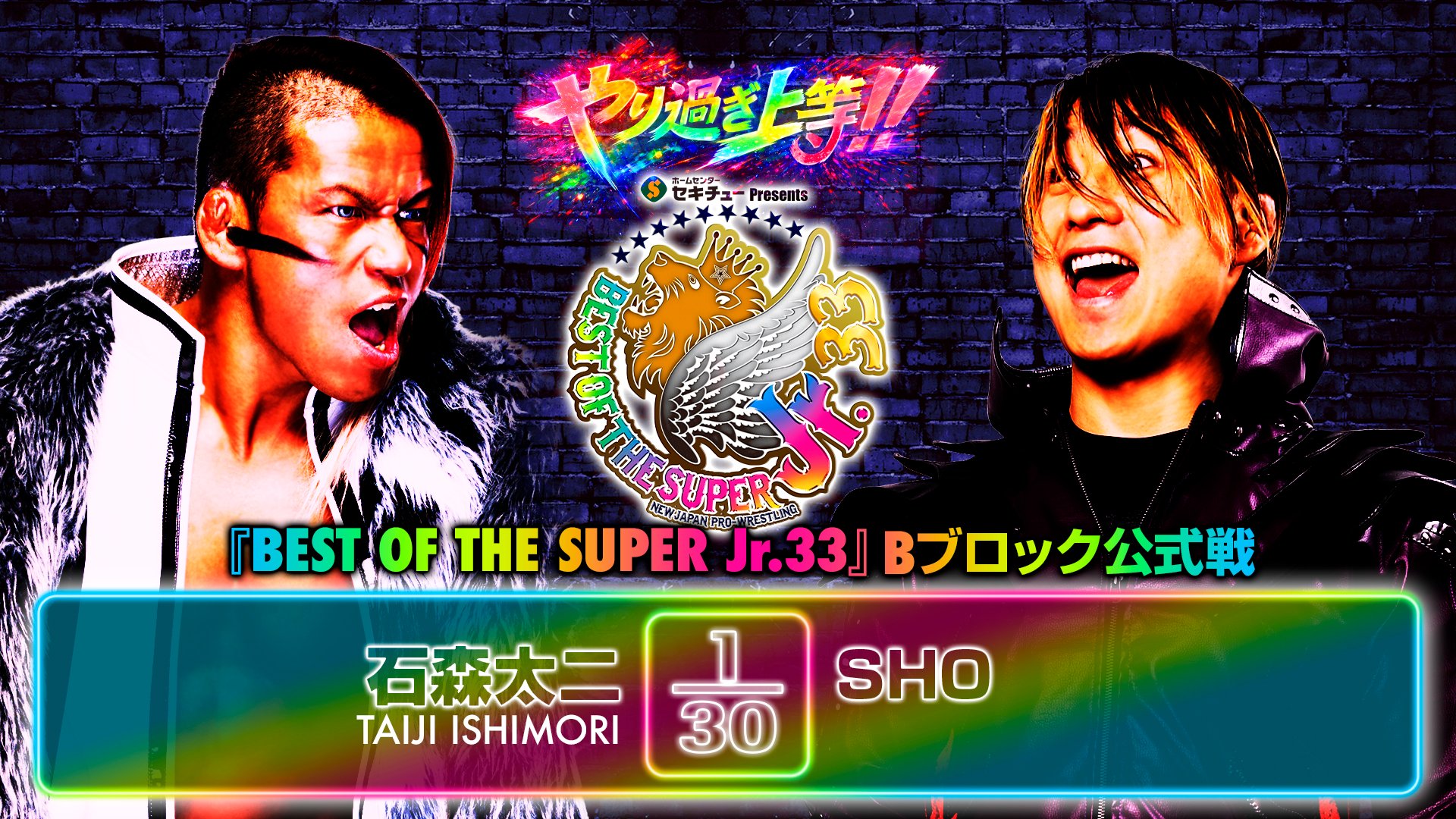
The Korakuen bottleneck
The field for the Best of the Super Juniors 33 has finally been culled. After twelve brutal nights of round-robin action concluding at Korakuen Hall on June 3, we are down to the final four. The pace has been relentless, testing the structural integrity of the roster's knees and lower backs.
We watched twenty men grind through a schedule that would break most pro athletes. Now, the format tightens into a single-elimination bracket. The difference between a block match and a semifinal is the margin for error; in Korakuen, a single blown transition is a death sentence in the tournament standing.
Tactical analysis of the final four
The semifinalists represent disparate styles of junior heavyweight wrestling. One wrestler possesses the requisite chain-wrestling acumen to slow down the pace, essentially neutralizing the high-flying threats that typically dominate these brackets. Another combatant relies heavily on strike volume, which historically drops in effectiveness as fatigue sets in after the 15-minute mark.
Looking at the match data, the winners in this year's block stages were consistently those who landed the highest percentage of counter-submissions. This indicates that the current ring psychology favors technical proficiency over raw velocity. High-speed spots are looking flashier, but they are lacking the impact frequency observed in previous years.
Why the bracket favors the technician
Recent shifts in NJPW booking suggest a pivot toward technical wrestling as the main event standard. If you want to see how talent mobility impacts the broader industry, Sidney Akeem's recent negotiations show that technical versatility is now being prioritized by major promotions over just being a spectacle.
The current tournament is plagued by a lack of consistent leg work in the earlier rounds, which has left some competitors entering the semifinals without a clear path to neutralize their opponent's specialized finishing moves. This is where a veteran mind wins. The favorite for the final will be the athlete who correctly identifies that the mid-ring heat segments have been too long, allowing for a 70% transition rate into signature spots without proper setup.
The prediction
My model suggests the winner will be the most disciplined wrestler in the pack. High-risk maneuvers like 450 splashes have yielded a negative return in this tournament, with several wrestlers being countered into rolls for a near-fall in under 12 seconds. Betting on the highlight-reel striker is a sucker's move.
The winner is the man who avoids the unnecessary aerials. He will win by forcing a fatigue-induced error during a grappling sequence. Expect a submission finish occurring between the 22 and 24-minute mark of the final match. Keep an eye on the transition out of the corner; that is where the tournament will be won or lost.