The championship optics problem
The NWA recently announced new tag team champions. While any promotion needs to refresh its top tier to maintain viewership interest, the move feels like a reactive gesture rather than a strategic correction. Adding gold to a rotation that hasn't seen meaningful narrative investment in months is a classic booking trap.
Technical proficiency inside the ring is not the issue. The promotion maintains a stable of capable workers, but the lack of underlying tension between mid-card teams creates a vacuum where titles lose their prestige. If the audience has no reason to care about the individuals holding the belts, the physical object becomes irrelevant.
Tactical flaws in recent match structures
Watching recent NWA programming reveals a failure to utilize pacing effectively. Tag matches frequently devolve into redundant spot-fests rather than building towards a logical hot tag or a decisive finishing sequence. When teams rely on high-impact offense early in the match, the gravity of the closing minutes is diluted.
Specifically, the pacing of the 10-minute segments is disjointed. Too much time is spent on aimless strikes while the wrestlers ignore the basic logic of ring positioning. If you look at the recent title transition, the lack of a strong program going into the change suggests they are throwing darts in the dark. A transition requires an arc to be effective.
The danger of nostalgia-based booking
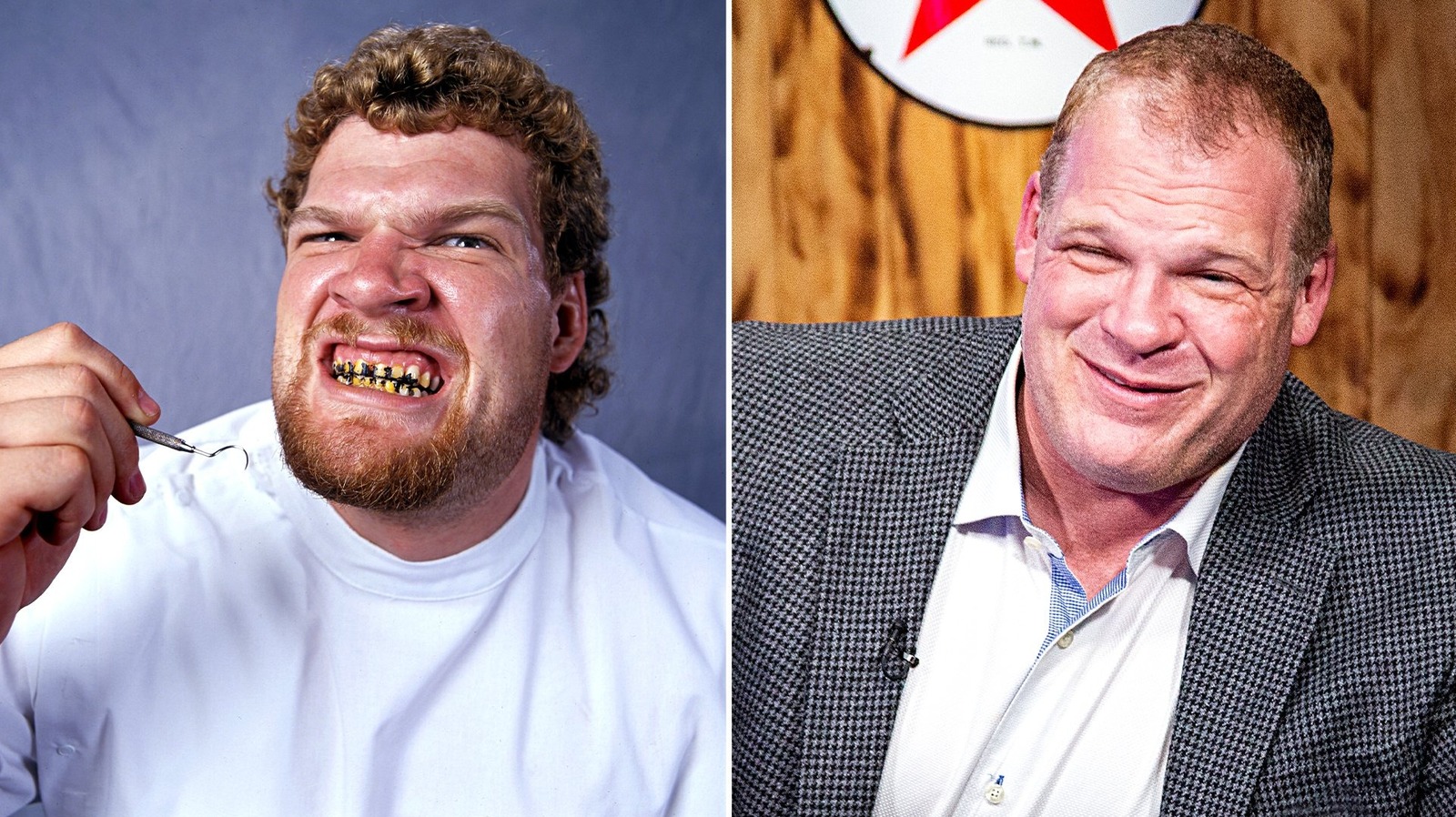
Relying on legacy acts or predictable title rotations is a dangerous game. Much like how Hacksaw Jim Duggan now navigates the digital landscape for engagement, wrestling organizations are increasingly stuck in a cycle of recycling past identities. It ignores the need for fresh, compelling character development in favor of easy pops.
There is no substitute for a compelling feud anchored in legitimate character motivation. Even the most technically gifted pairing will fail if the audience sees them as placeholders for the next rotation. The current tag division currently carries a 0.0 rating in terms of long-term storyline stakes, and that won't change simply because the belts moved to a new set of shoulders.
The outlook for the division
Success requires a focus on consistent mid-card storytelling. I expect the new champions to look sharp in their initial defense, but the booking team must stop treating tag wrestling as a secondary show-filler. Without dedicated time for promos and clear personal animosity between rivals, these championships will continue to spin their wheels.
My prediction? We will see a short-term bump in match quality, but the promotional heat will cool within three weeks unless the creative direction pivots toward character stakes. Booking teams often confuse belts with status, but until these wrestlers are given actual reasons to despise one another, the division stays stagnant. I am betting against any significant growth in viewership for this segment until the writing catches up to the in-ring work.