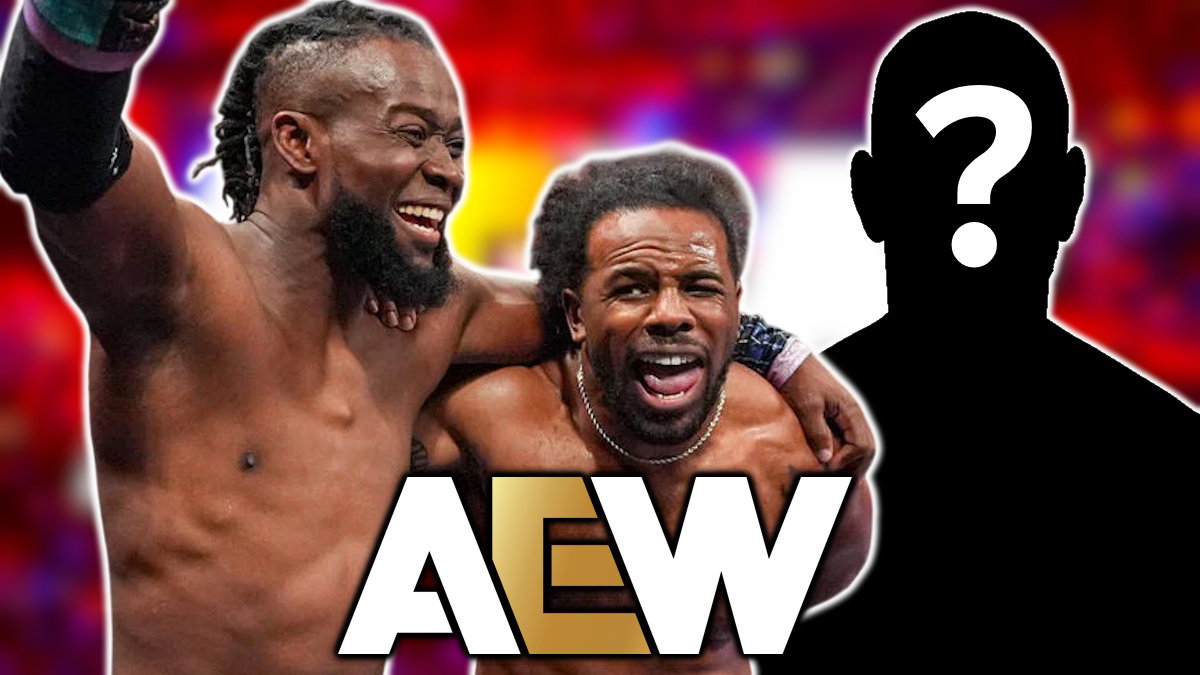
Tactical ripples from the New Day exit
The wrestling industry shifted on its axis on May 2. When the mutual departure of The New Day from WWE was confirmed, it didn't just end a decade-long association; it immediately altered the power balance of tag team wrestling on a global scale. We are now in a period of intense speculation regarding their landing spot, with the AEW machinery clearly rotating to accommodate a trio of their pedigree.
Kofi Kingston, Xavier Woods, and Big E represent an anomaly in modern booking. They are not merely workers; they are a self-contained brand unit with a distinct tactical identity. Their reliance on high-frequency tags and double-team maneuvers creates sustained pressure on opponents—the classic "hot tag" sequences that dominated their 2015-2016 run remain the industry standard for pacing a match.
The stylistic clash in Jacksonville
If Tony Khan successfully integrates this unit into his roster, the ripple effects will hit the division's hierarchy immediately. AEW's tag division is currently defined by a high-octane, move-heavy style that often ignores the traditional "cut off the ring" fundamental of tag wrestling. The arrival of a team that favors methodical, team-oriented psychology could force a wider shift in how these matches are structured.
Look at the potential matchups against established units like The Young Bucks or The Lucha Bros. The contrast in philosophy is stark. While those teams prioritize rapid strike exchanges and aerial fluidity, The New Day functions on a more rhythmic, control-based cadence that wears down an opponent's stamina before the final pinfall. Integrating them into a system that values high-impact spots over long-term selling could prove to be the most intriguing hurdle for the Booker.
What the metrics say
Dissecting the exit and the transition
The primary concern remains how much ring rust will be a factor for Big E. Following his injury history, the physicality required for a full-time return to the circuit is substantial. Fans expecting him to return to the 20-minute intensity of his WWE Championship run might need to temper those visions during the first 60 days of their tenure.
We have to address the criticism, too. The New Day's schtick has, at times, grown repetitive over the last eighteen months in WWE. There were matches in late 2025 where the energy felt stagnant—a reliance on established catchphrases rather than evolving their ring craft. A move to AEW presents a risk. If they don't innovate their persona, they may simply drift into the mid-card as 'just another' veteran team rather than the transformative force the roster requires.
The final assessment
The logistics of this acquisition are, quite frankly, a headache for administrative planning. Ensuring they occupy a featured slot without displacing the organic growth of younger teams requires precision. If the booking relies solely on nostalgia, the impact will drop off by their third appearance. If they lean into a harder, more aggressive edge that we saw during their brief heel turns, they could elevate the entire tag division.
The move is a gamble on name recognition over current momentum. My prediction is that we see them debut in a non-wrestling capacity before the end of the month, likely during a chaotic backstage brawl to set up a pay-per-view match. They will win their debut in under 12 minutes via a Midnight Hour to a surging crowd reaction. The question is not if they can get over; the question is whether they can adapt to a promotion that rarely slows down long enough to tell a traditional story.