The Big Picture
The past year in professional wrestling has shifted from status quo stability to a chaotic race for talent and top-tier spotlight. From championship ascensions to quiet roster cuts, these ten moments shaped the current hierarchy of the sport.
The Rankings
10. Masyn Holiday’s Quiet Departure
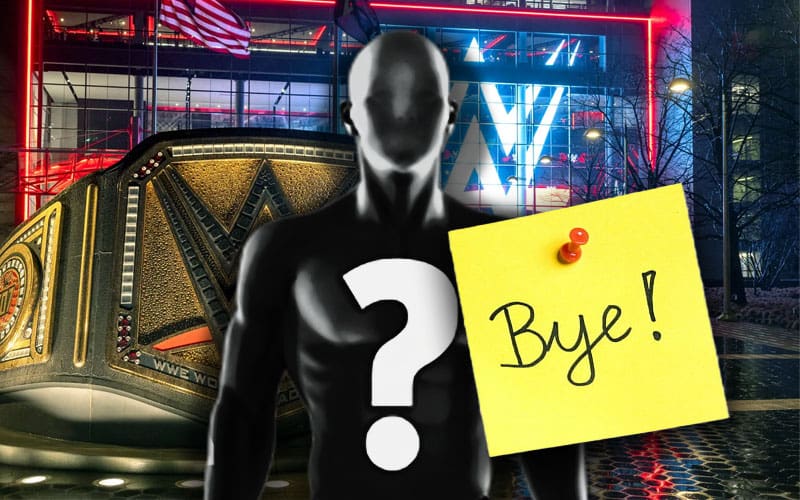
The industry is currently digesting the recent exit of Masyn Holiday. After updating her Instagram bio to her real name and scrubbing all WWE branding, the writing is on the wall.
While this lacks the flash of a televised main event, it represents the brutal nature of modern roster management. Holiday’s departure highlights the difficulty of breaking through in a crowded talent pipeline. It earns this spot because it underscores the reality that most careers end with a digital update rather than a farewell speech.
9. Tasha Steelz Secures Her Future
Tasha Steelz turned down the allure of potential cross-promotion bidding wars. By re-signing with TNA, she effectively put the brakes on months of rumors regarding a move to larger national platforms.
This decision is smart for her personal stability even if critics argue she needs a higher-profile promotion to reach her ceiling. Keeping her in TNA allows for more consistent booking, which is a rare commodity in this era. It ranks here for the absolute finality she brought to a long-running narrative.
8. Ricochet Weighs the Open Market
Ricochet’s decision to test his value as a free agent is the most headline-grabbing story of late spring. After years of high-flying slots in WWE, he is actively evaluating his next chapter away from his long-time home.
As numerous insiders suggested, this move will redefine the junior heavyweight scene wherever he lands. He ranks above Steelz because the sheer scope of his potential impact on the industry is exponentially higher. His exit strategy essentially dictates the next movement of the chess pieces in global wrestling.
7. The Mid-Tier Championship Shuffle
Recent title changes across secondary divisions have finally stabilized, ending a period of confusing hot-potato booking. Talents like Bron Breakker and Ilja Dragunov finally received legitimate pushes that felt earned rather than coerced.
This shift matters because it signals a move away from legacy stars clogging the mid-card. However, the booking remains occasionally predictable. It ranks here for providing a foundation for the next generation of main eventers.
6. The Women’s Tag Division Rebuild
The reorganization of the Women's Tag Team titles has been messy but effective. We have seen a move toward more cohesive units rather than random pairings of singles competitors.
This is a necessary correction after years of neglect. It lacks the polish of the top-tier programs, but the intent to fix the division is clearly visible. It stays in the middle of this list due to the inconsistent pay-off of these teams.
5. Main Roster Assimilation for NXT Talent
The latest wave of NXT call-ups has seen a higher success rate than in previous years. By integrating tech-savvy performers directly into existing narratives, management has kept momentum from dying on the flight from Orlando.
This matters because the transition period usually kills careers. The booking for Carmelo Hayes serves as the blueprint for why this ranks in the top half of our list. It serves as a stark reminder that talent is only as good as the creative support behind it.
4. The Return of Event-Based Storytelling
We saw a pivot back to major angles peaking at premium live events rather than dragging through weekly television. By focusing efforts on building to quarterly clashes, the quality of both matches and segments has risen.
This strategy minimizes burnout for the audience and talent alike. It ranks high because it finally addresses the fatigue caused by bloated three-hour broadcasts. When utilized properly, the 30-day arc is the sweet spot for modern wrestling.
3. Commercial Success of Global Tours
The decision to hold major events in international markets has become the financial engine of the industry. The ticket sales during recent European and Australian swings proved that domestic television ratings are not the only metric that matters.
This expansion changed the financial modeling for promoters everywhere. It ranks third because it directly influences production budgets and star expansion. Increased venue revenue allows for more competitive contract offers, such as the $500,000 to $1,000,000 range for top-tier talent.
2. The Refinement of High-Flying Utility
The influx of smaller, faster workers has forced traditional heavyweights to adapt their style. We are seeing a synthesis of strength and speed that has evolved beyond the tropes of the early 2010s.
Watching these athletes work at 2x the speed of their predecessors has been a highlight of the season. It narrowly misses the top spot only because it has not yet solved the issue of protecting the health of these performers long-term.
1. Contractual Realignment
The most important moment of the last year is the collective shift in how talent negotiates. Athletes are more aggressive in securing exit clauses and scheduling freedom than ever before.
This represents the evolution of the worker-management dynamic. Gone are the days of blind loyalty; we are currently in an era of pure market value. This is the ultimate impact moment because it influences every other entry on this list. It is the defining feature of professional wrestling in mid-2026.