Measuring the viewership volatility
TNA Impact has spent the last two weeks displaying the kind of inconsistency that keeps bookers awake at night. After a promising uptick in the ratings for the June 4 broadcast, the company effectively erased those gains during the June 11 window. The show pulled back into the 191,000 viewer range, showing a noticeable drop in the critical 18-49 demographic.
This statistical seesaw suggests that the audience isn't yet locked into a long-form narrative. When a promotion relies on a "bounce back" week followed by a regression, it indicates a failure to hook casual viewers into a persistent story. The data from the recent TNA viewership report highlights a clear vulnerability: the lack of a primary anchor point in the main event scene.
The post-champion vacuum
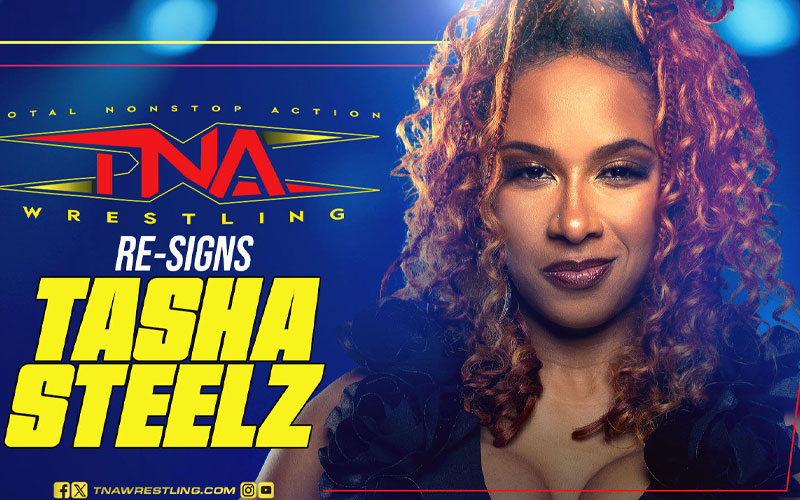
The recent departure of a former world champion has left a hole that hasn't been filled with anything resembling an adequate replacement. Wrestling promotions are organic machines that break down when a critical gear is removed. Without a focal point around the title, the mid-card matches feel like exercises in marking time rather than building toward a destination.
Booking a weekly show without a clear, definitive protagonist is a trap. I have watched the last three weeks closely, and the pacing is stuttering. Too much time is spent on secondary feuds that lack a physical motivation. When you subtract a major name from the roster, you have to maximize the remaining talent immediately, yet the recent telecasts have felt adrift.
Why the 18-49 demo is trending downward
The drop-off in the 18-49 demographic is the primary concern for any analyst worth their salt. This isn't just about total eyeballs; it is about the engagement of the audience that drives ad revenue and ticket movement. A dip here suggests that the segments—be it the promos or the technical wrestling exchanges—failed to sustain interest over the two-hour window.
A critical look at the production reveals a reliance on repetitive match structures. We are seeing far too many interference-heavy finishes that rob the in-ring workers of their agency. When a match ends with a distraction rather than a clean pinfall, the internal logic of the competition suffers. The audience catches on quickly. They stop investing in the workrate when the outcomes feel manufactured by off-screen interference rather than internal narrative momentum.
Navigating the uncertainty
TNA faces a reality check before the next taping cycle. The lack of a high-profile draw means the booking team has to lean into character development to bridge the gap. If we continue to see aimless segments with no established stakes, that 191,000 number will become the ceiling rather than the floor.
My prediction for the upcoming cycle is a further regression unless the creative team pivots toward a clear, tournament-style structure for the world title or a major feud-ender that isn't built on a gimmick. You cannot survive on name recognition alone when your biggest names are hitting the exit sign. They need a hard restart on their presentation. If the next show keeps the same stale formula, expect the rating to drop below the 185,000 mark as viewers seek more cohesive storytelling elsewhere.