WWE's international strategy is creating a logjam for midweek television
The friction between global touring and weekly television
As of June 16, 2026, the WWE creative department is managing a logistics board that looks more like a frantic game of chess. The recent push for high-profile title matches held in international territories, such as the upcoming bouts announced for the London broadcast, suggests a shift in priorities that might be bleeding the standard weekly product dry. While the business rationale for putting prestige contests in front of overseas audiences is sound, the narrative consistency for North American viewers is beginning to fray.
We saw the immediate impact of this touring strain during the June 15 broadcast in Baltimore. With an attendance of 10,591 out of a potential 11,278 at the CFG Bank Arena, the show was a success by strictly numeric metrics. Yet, the televised filler used to bridge the gap between global spectacles is becoming obvious. When a promotion relies on house-show-style pacing to save marquee talent for London, the viewer at home feels the dip in intensity. It is a dangerous game to treat the domestic market as a secondary priority while the top-tier belts are being shuffled across the Atlantic.
The NXT talent pipeline is hitting speed bumps
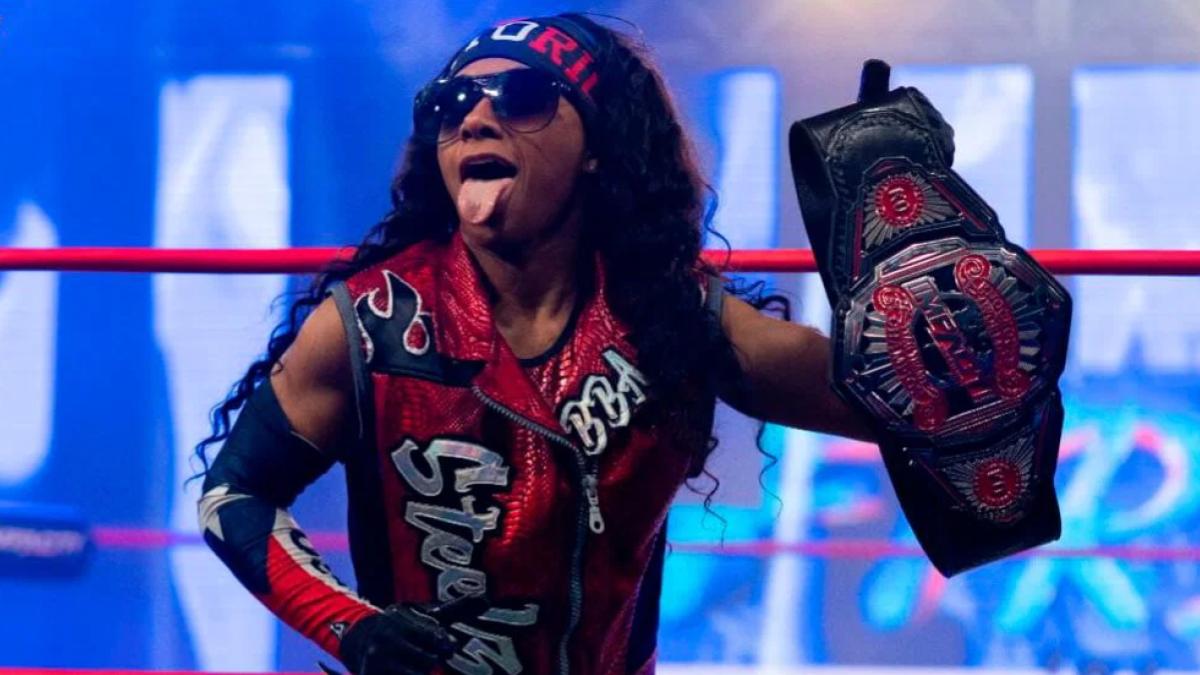
Looking into tonight's card from the Performance Center in Orlando, the booking logic for the NXT North American Championship match highlights a recurring issue in the Triple H era. Tavion Heights facing Jackson Drake is presented as a tentpole segment, yet the reliance on these mid-card building blocks is stalling. Without a major emotional hook or a high-stakes stipulation, these matches often feel like they are ticking boxes rather than defining the championship.
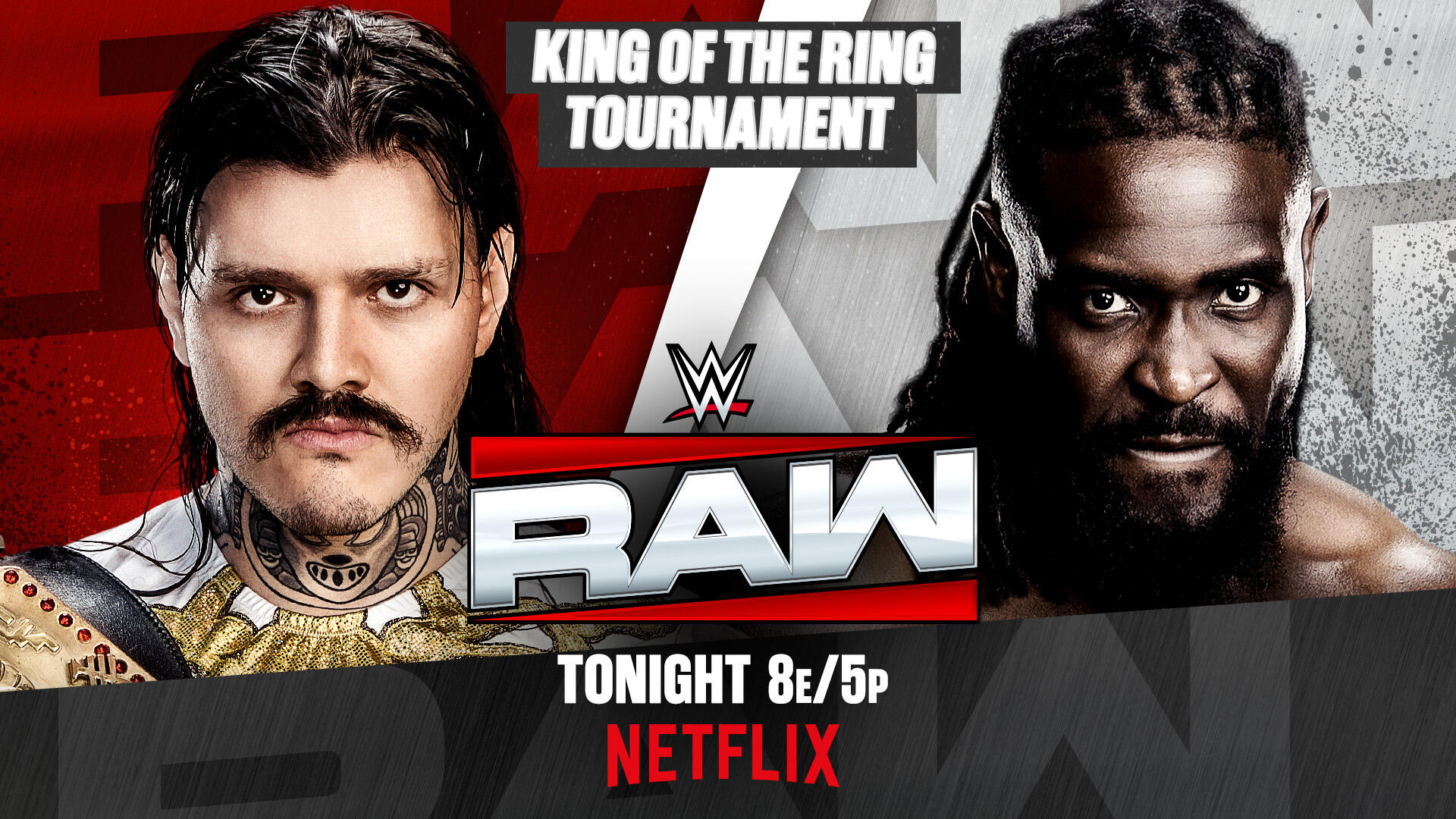
The face-to-face segment between Tony D'Angelo and Naraku scheduled for this evening is arguably the only hook keeping the episode from becoming a glorified instructional video. Matches like this remind the audience that the Performance Center is, first and foremost, a laboratory. However, placing such experimental content on the CW Network requires more than just technical competence. It requires a compelling reason to stick around through the commercial breaks.
Missing the mark on match density
The core problem with the current Raw live show strategy is the lack of pay-off for the invested fan. If you compare the spectacle promised for London—now being teased across multiple outlets—with the standard weekly booking, the disparity is stark. There is a clear lack of connective tissue between these events. It feels fragmented, as if the creative team is writing two different shows for two different planets.
London hosting two title matches has value, but only if the preceding weeks carry the weight of that build. Moving belt-contested matches out of the standard venue rotation without an equivalent level of intensity in the US shows a lack of respect for the primary TV audience. As PWInsider reported, these titles are being used as leverage to sell out regional arenas that have otherwise grown accustomed to the house show grind. The result is a rinse-and-repeat cycle where the weekly product loses the high-stakes edge that defines modern wrestling booking.
Booking should never feel automated. When we look at the numbers, specifically the
WWE Men's Stone Cold Steve Austin T-Shirt
The ultimate wrestling throwback that never goes out of style – Austin 3:16 says
Frequently Asked Questions
How does WWE's international touring affect domestic TV quality?
What issues are currently impacting the NXT talent pipeline?
Why is there criticism regarding the distribution of championship matches?
What is impacting the pacing of WWE's weekly television shows?
How does WWE prioritize regional arena dates versus US TV?
More Coverage
AJ Lee returning to WWE was never going to be easy
3 hours ago
The New Day's potential AEW arrival puts the tag division on notice
3 hours ago
Why Shawn Dean is staying put despite the industry's revolving door
3 hours ago
NXT is leaning into a ratings gamble with special appearances
3 hours ago
Top 10: Defining Wrestling Milestones from the Last Twelve Months
3 hours ago
Ava needs to learn the first rule of Twitter: log off
3 hours agoMore Analysis
AJ Lee returning to WWE was never going to be easy
3 hours ago
The New Day's potential AEW arrival puts the tag division on notice
3 hours ago
Why Shawn Dean is staying put despite the industry's revolving door
3 hours ago
UFC Freedom 250 was a fever dream that nobody asked for
3 hours ago
NXT is leaning into a ratings gamble with special appearances
3 hours ago