The Geometry of Mid-July
Professional wrestling operates on a schedule that defies the typical calendar. While the rest of the world slows down for the humidity of mid-July, the ring remains a site of perpetual motion. July 10, in particular, acts as a ledger for some of the most daring and disastrous pivots in the industry.
It is the day where championships were reinvented, careers were stalled, and the internal politics of the back office collided with the reality of the performance. We look back through the dust of time to see how these decisions shaped the product we consume today.
The 1995 GAB and the WCW Expansion
On July 10, 1995, World Championship Wrestling held a television taping in Orlando that set the stage for the chaotic mid-90s. The company was struggling to transition from the identity of the NWA to the bold, Turner-funded experiment that would soon become Nitro.
The card featured the mid-card grinding through matches designed to test new talent under the pressure of the Disney tapings. It was a sterile, controlled environment that stood in direct opposition to the grit of the old territory days. The lack of organic crowd noise often stripped the matches of their urgency, turning physical drama into a soundstage exercise.
1999: The Death of a Championship Concept
July 10, 1999, remains a bleak date for those who valued the prestige of the secondary championships. In the middle of the Monday Night War, the booking teams were desperate to keep the hardcore division relevant amidst the rapid acceleration of the Attitude Era.
Matches were becoming increasingly nonsensical, focusing on shock value over logical progression. By stripping away consequences for title changes, they arguably began the devaluation of the championship hardware that forced promoters to spend the next two decades trying to fix the prestige gap. It was a shortsighted move aimed at a quarterly rating bump at the expense of long-term storytelling.
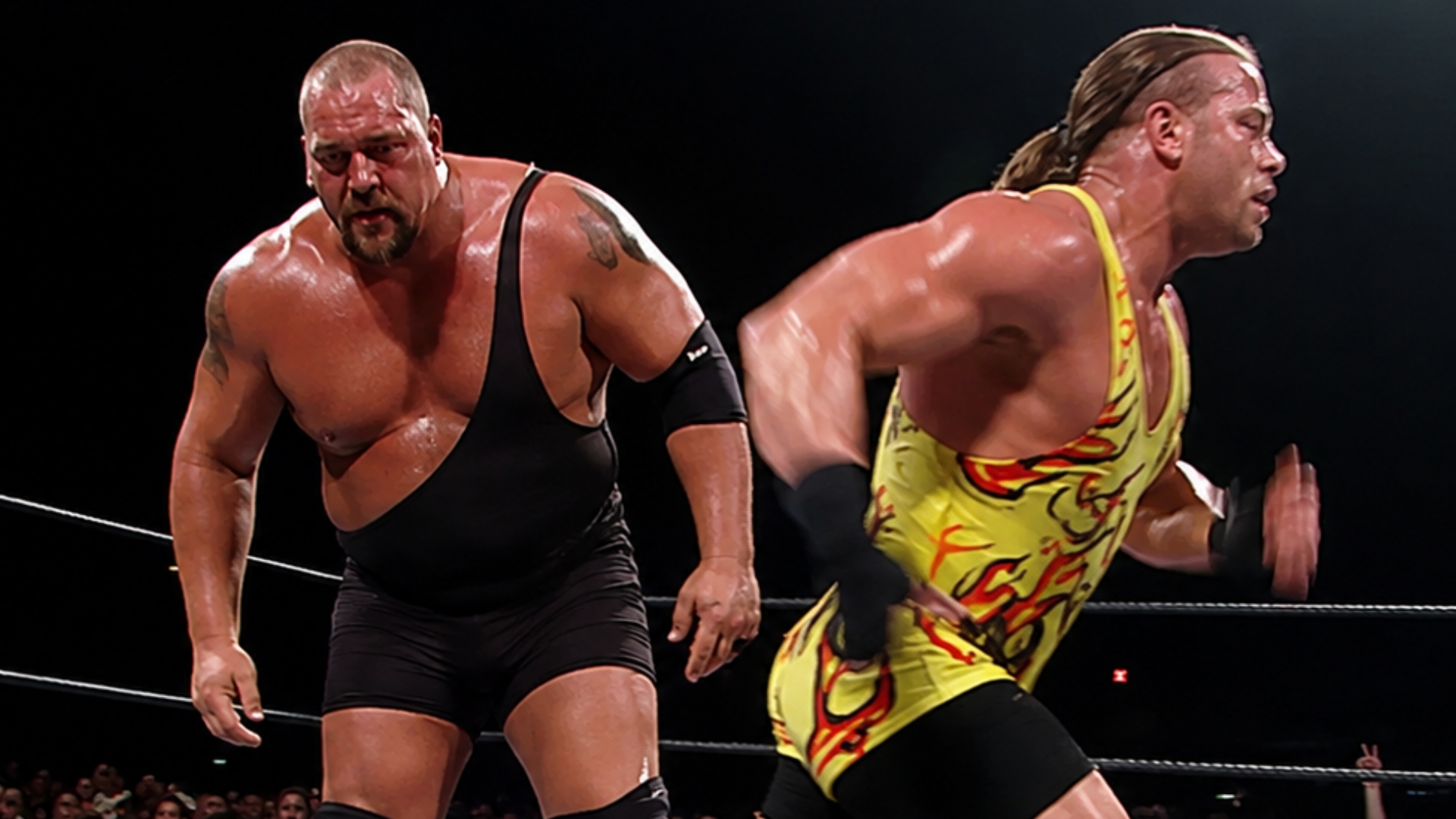
2006: RVD and the Pressure of the Top Spot
Ten years later, the industry found itself in the middle of a massive internal restructuring. On July 10, 2006, Rob Van Dam was carrying the weight of being the face of two brands simultaneously, defending titles across different touring schedules.
The physical toll on the roster during this period was immense, yet the creative staff offered little reprieve for those at the top. Watching RVD navigate this time reveals the flaw in keeping a champion on the road for every single house show and televised event week after week. The wear and tear on his knees was evident, yet the business mandate was to keep the marquee names in front of the cameras at all costs.
2011: The Pipebomb Fallout
The echoes of CM Punk's comments from weeks prior were still reverberating through the building on July 10, 2011. The promotion was in a state of genuine confusion regarding how to handle a performer who had successfully blurred the line between kayfabe and reality.
Management had rarely encountered a situation where they couldn't control the narrative flow to protect the champion. They tried to shoehorn the situation back into a traditional villain-versus-hero path, but the audience had already tasted something raw and authentic. It serves as a reminder that when you lose the trust of an engaged audience, no amount of scripted dialogue can recover the lost momentum.
2017: The Modern Era Shift
By July 10, 2017, the shift toward a more athletic, move-heavy style had fully taken hold of the main roster. The matches on this date showcased the increased emphasis on high-risk maneuvers and the desire to mimic the pace of international scenes like those in Japan.
While the technical floor had risen dramatically, the psychological pacing often suffered. Wrestlers were trading moves for the sake of reaction time rather than telling a story of fatigue and recovery. It is a cynical take, but the reliance on near-falls has become a crutch in the modern era, where the 2.9 count is treated as a default setting rather than an earned climax.
Reflecting on the Velocity
Looking back at these moments, one sees a pattern of organizations chasing immediate reactions. Whether it was the soundstage tapings of 1995 or the reliance on high-speed spots in 2017, the common thread is a lack of patience.
Great wrestling does not happen because of a specific date or a calendar milestone. It happens when the bookers stop treating the matches like products to be moved and start treating them like conflicts to be solved. History shows us that whenever companies stop trusting their audience's intelligence, they invite the very decline they try so hard to avoid.
The business must move forward, but if we do not understand the mistakes of the past, we are doomed to repeat them in front of a bored arena.
Ultimately, these dates exist as waypoints for us to measure our own evolution as fans. Did the booking deliver on its promise, or were we just waiting for the next commercial break so we could see a spectacle? July 10 is a microcosm of that constant tension between the art of the craft and the grind of the ticket office.