The Shifting Reality of the Commentary Desk
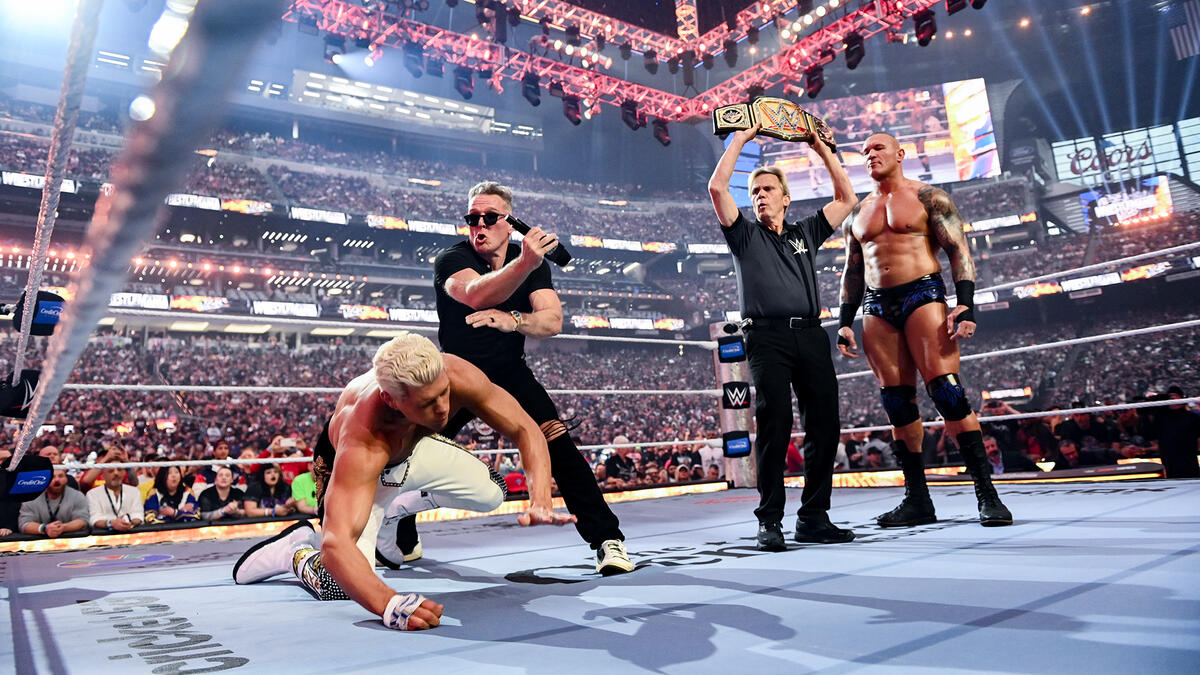
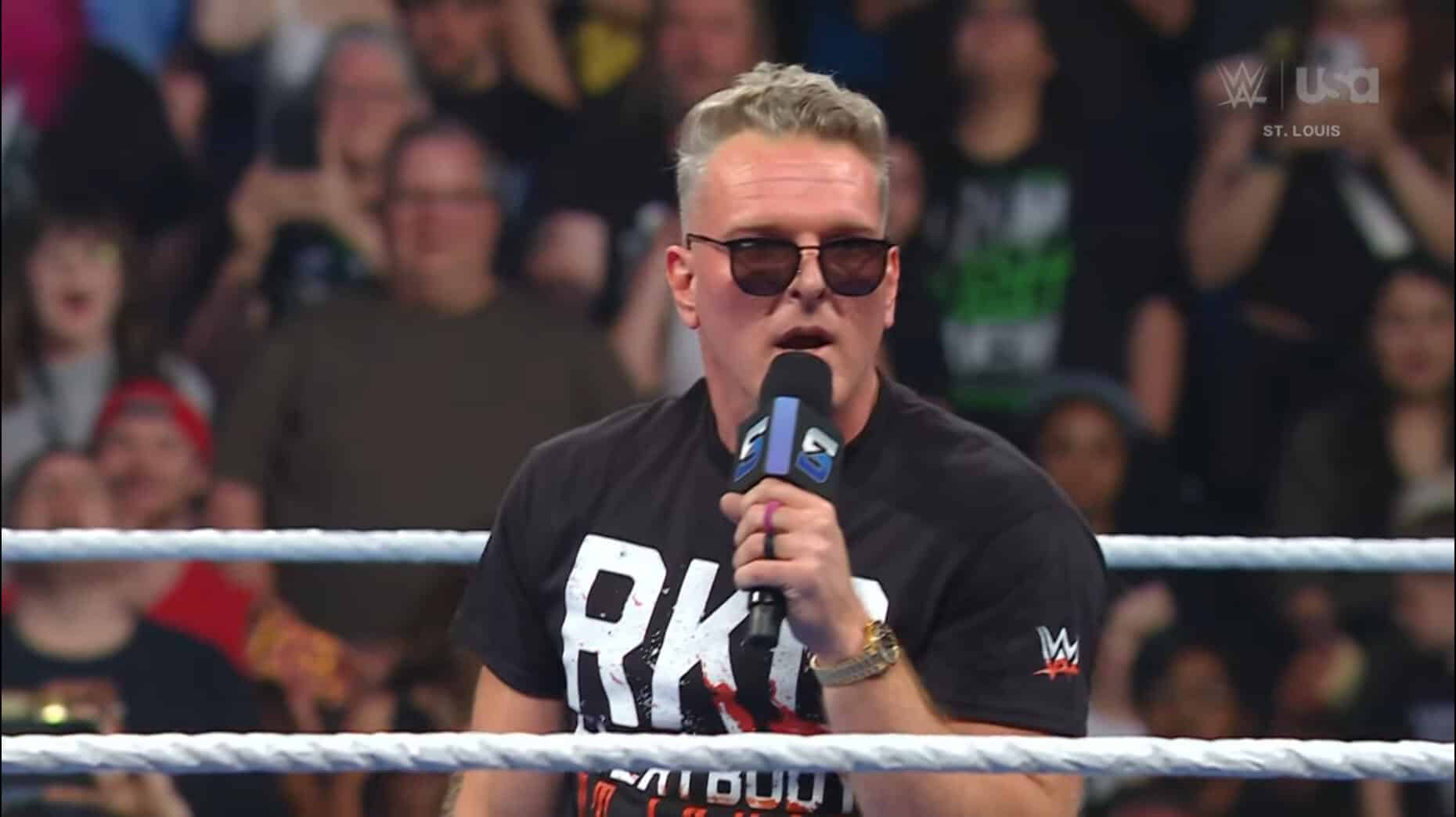
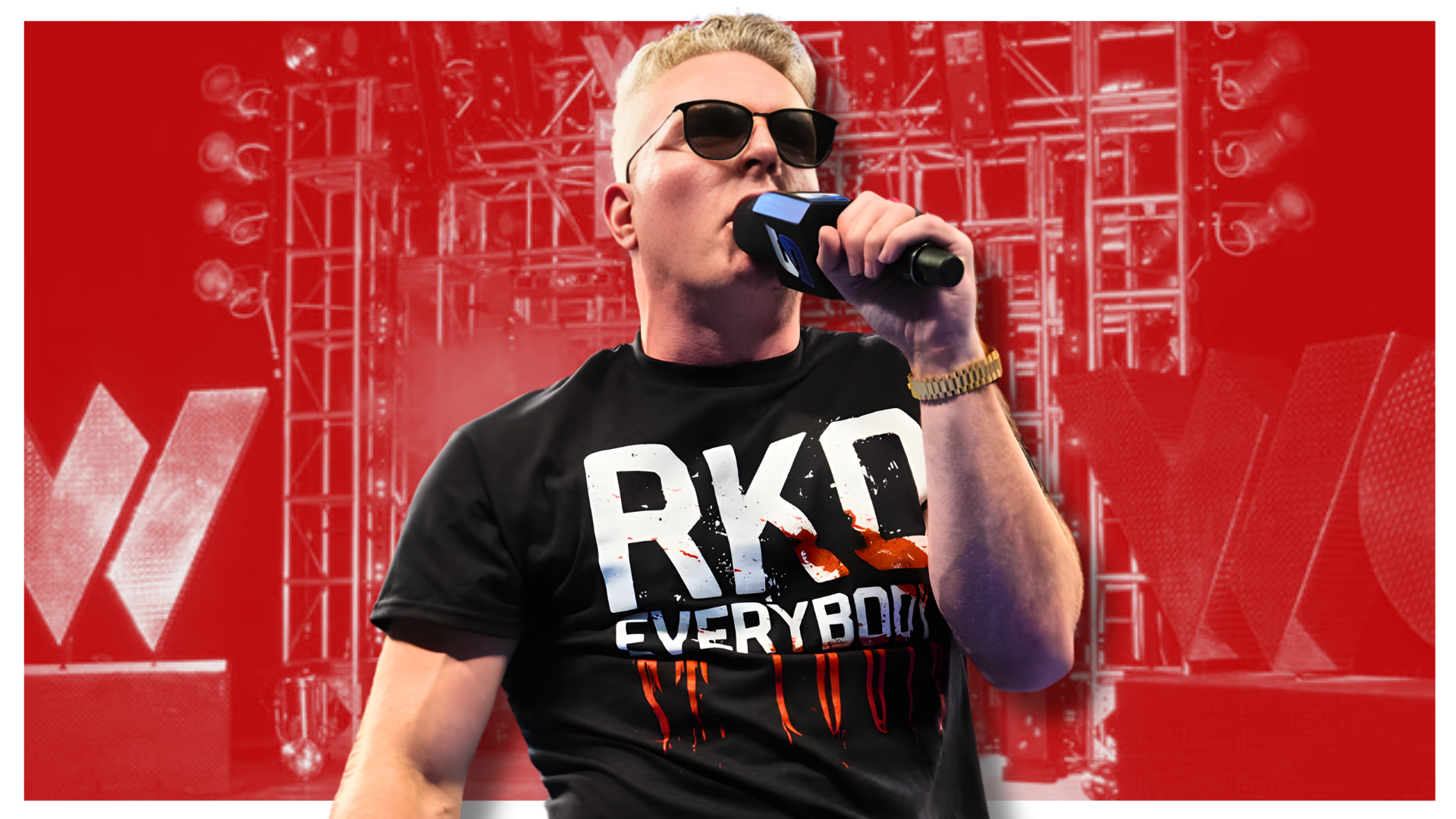
Pat McAfee remains a polarizing figure in the WWE internal hierarchy. After his latest hiatus from the announce table to manage personal projects and his daily ESPN obligations, the question of his return is no longer a matter of 'if' but 'at what cost.' Recent reports indicate that the company is actively weighing alternatives to his high-energy, commentary-first style.
Internal sentiment toward the former NFL punter has soured among factions within the creative team. While his segments often deliver spikes in social media engagement, the lack of availability is becoming a logistical bottleneck. Booking around someone who is simultaneously running a lifestyle brand creates gaps that even the deepest rosters struggle to fill during weekly broadcasts.
The Stephen A. Smith Factor
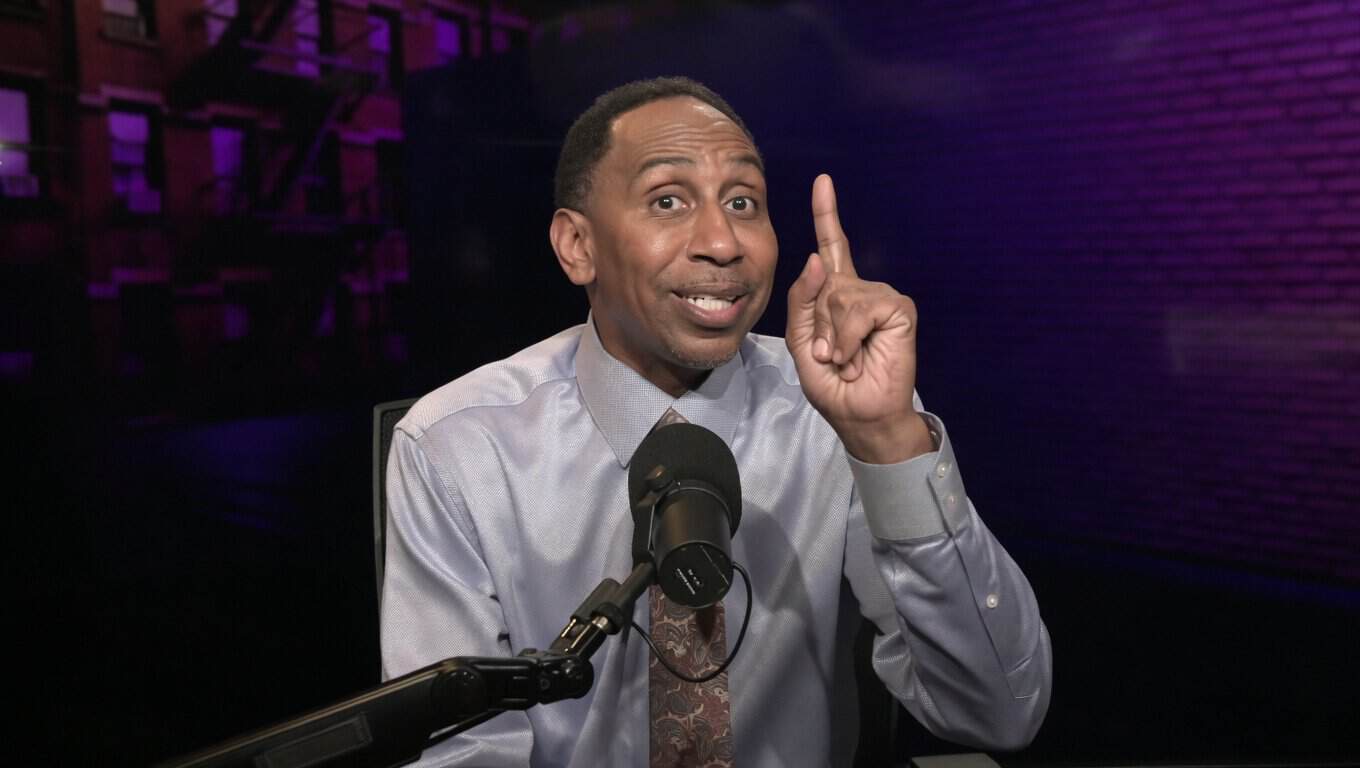
Industry insiders report there is serious talk regarding a crossover with Stephen A. Smith. It is not an attempt to replace McAfee’s wrestling-specific technical knowledge with play-by-play expertise, but rather an injection of mainstream sports personality power. According to recent reporting from WrestlingNews.co, these discussions have moved beyond casual water-cooler chat into active planning.
There is a segment of the production crew that views this shift with relief. Critics of the current commentary style feel that the product has veered too far into a variety-show aesthetic. By bringing in a figure like Smith, the company appears to be pivoting back toward a sports-hybrid presentation that mimics the prestige of their parent conglomerate's broadcast partners.
Strategic Implications for the Locker Room
The transition away from an athlete-centric commentary booth toward a more traditional 'sports talk' personality model marks a distinct strategic shift. Historically, WWE has banked on the crossover appeal of stars like McAfee to bridge the gap with the casual audience. However, relying on someone who is effectively a freelancer often leads to the current instability.
As reported by F4WOnline, these talks to integrate mainstream media talent are treated with high priority. If the company moves forward, the impact on future booking will be noticeable. An on-air personality like Smith brings a level of legitimacy to segment segments, but he lacks the physical history that allows for a legitimate payoff in the ring.
The Downside of the Pivot
This potential move is not without its risks. The success of the current regime’s storytelling relies heavily on the ability of the announce team to call the action with specific regard for the nuances of the move-set. Inserting a non-wrestling personality requires an experienced color commentator to do double duty, effectively carrying the segment while the star provides the draw.
Furthermore, the fanbase is fickle. Ringside News has noted that while some fans are fatigued by McAfee, a segment of that same audience finds the idea of a polished television talking head equally grating. If WWE chooses a traditional broadcaster to replace a fan-favorite, they risk alienating the portion of the crowd that tunes in specifically for the chaotic, unscripted charisma that McAfee provided.
We are looking at a potential transition defined by 0% certainty regarding permanent status. While no official release has been issued, the lack of a firm return date for McAfee’s full-time commentary duties speaks volumes. As we approach major summer dates like the upcoming PLE in late May, the management team must decide if they are doubling down on the current broadcast recipe or attempting to sanitize the booth with new blood.
The long-term health of the announce desk depends on chemistry. Inserting a personality from an entirely different sector of sports media is a gamble that has yielded mixed results in the past. If the goal is to maintain the 3.0 million viewer average or higher, stability is mandatory. Constantly oscillating broadcast personnel serves as a distraction from the talent currently competing in the ring.
Every week McAfee is absent is a missed opportunity to build consistent narrative threads. Whether he returns or is replaced by a high-profile guest, the current state of flux remains a visible flaw in the overall product. Engineering a seamless transition will require more than just star power, it needs a commitment to the craft of calling matches that the current revolving door approach fails to provide.