The sliding doors moment of WWE history
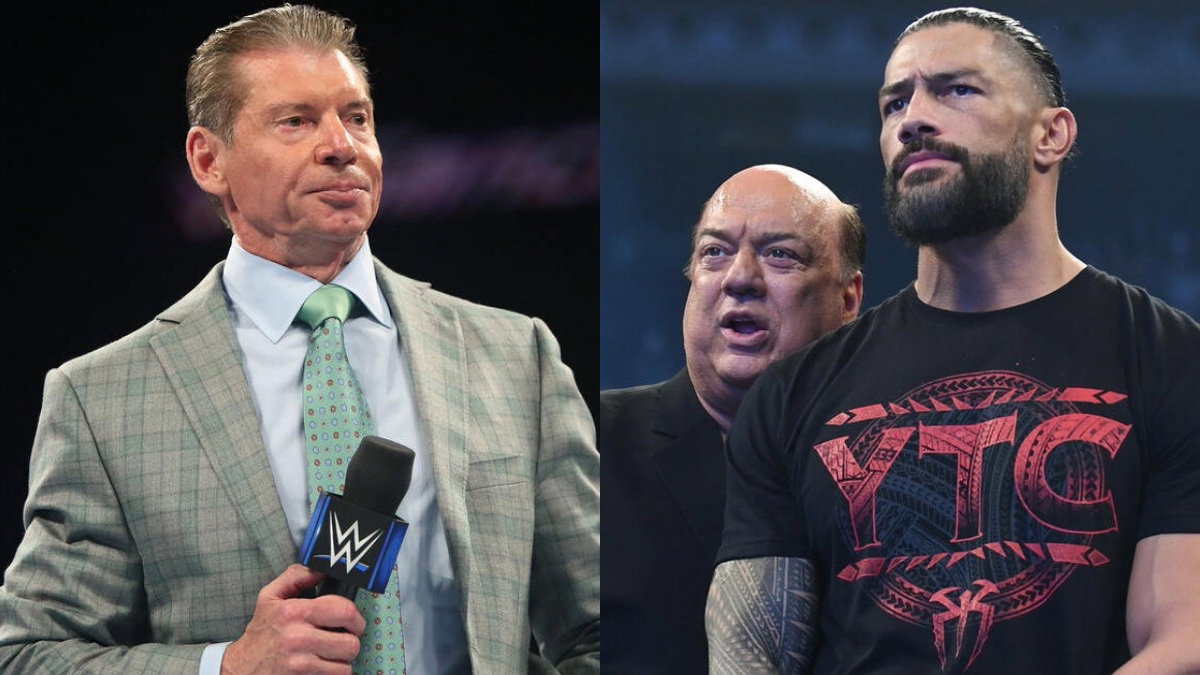
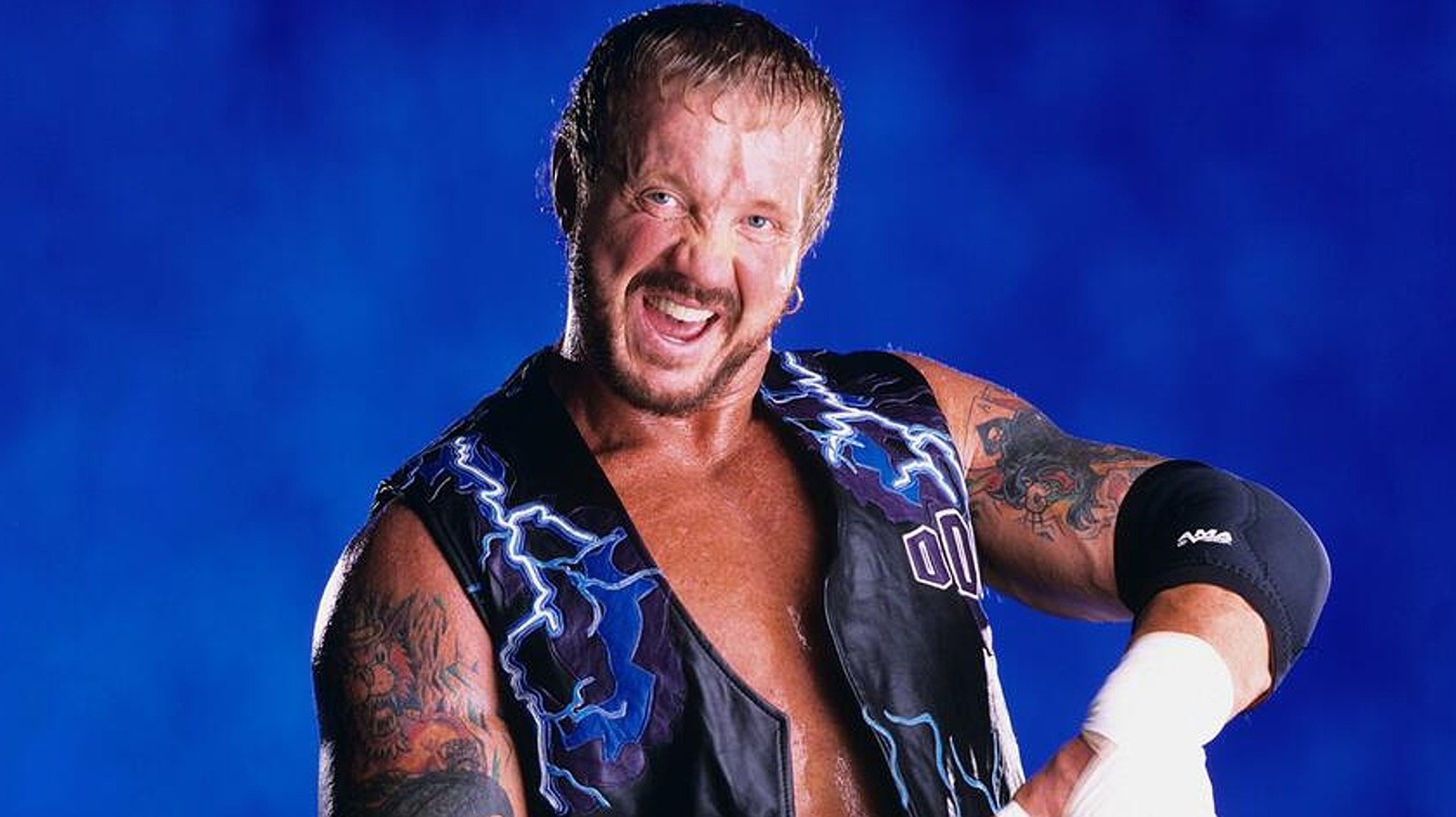
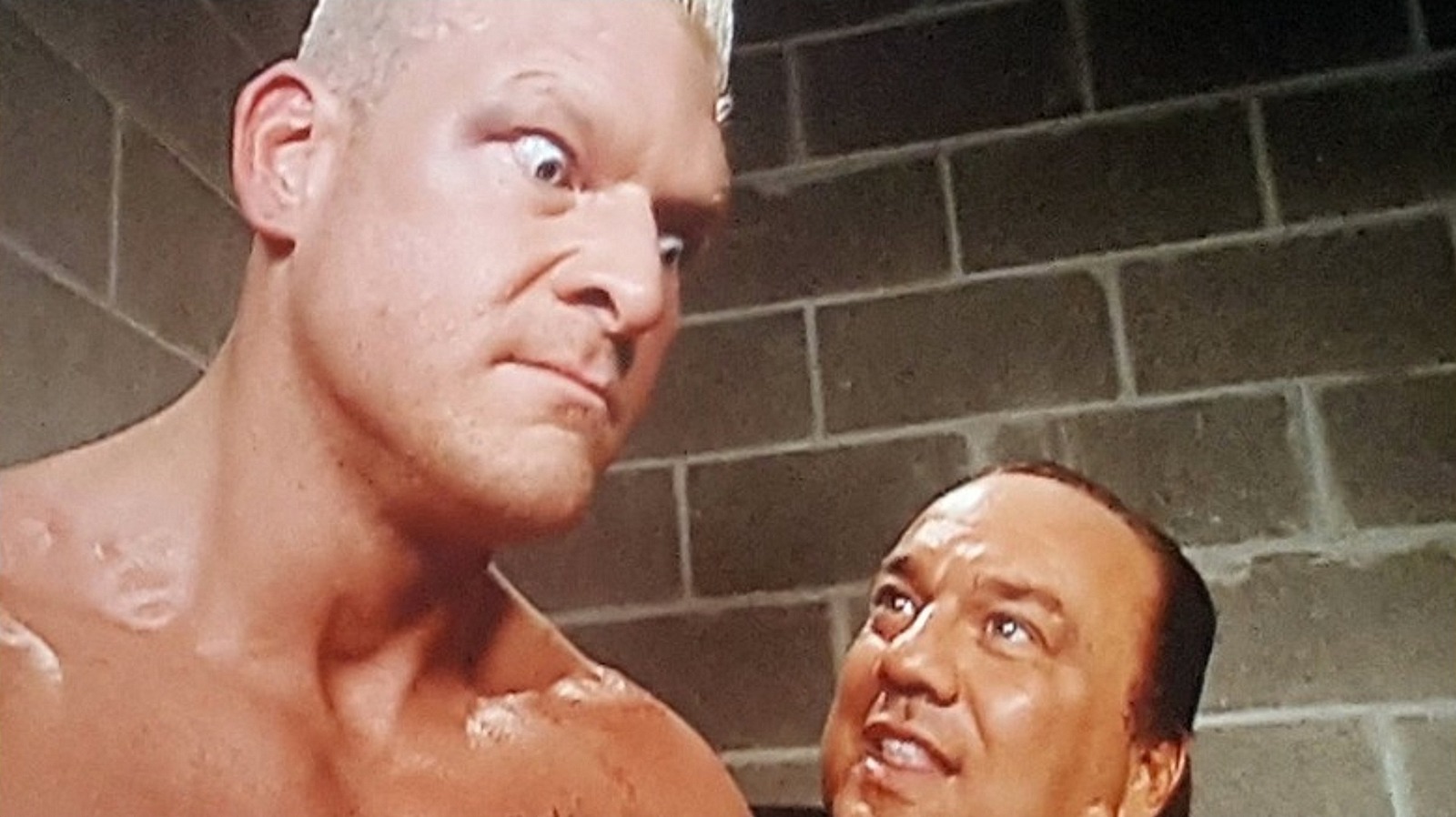
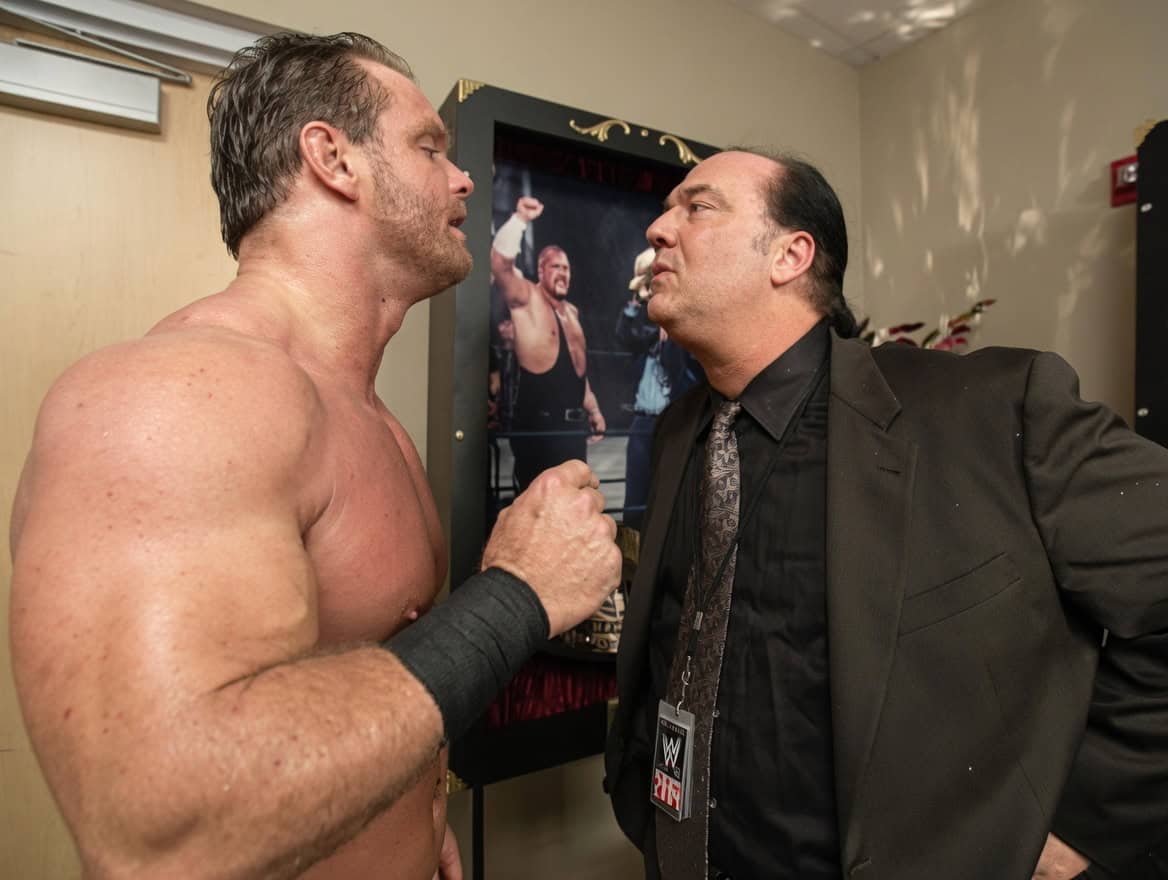
Paul Heyman recently revealed that he was positioned to manage Chris Benoit before the company pivoted toward Brock Lesnar. It is the kind of revisionist history that changes how we view that specific era of early 2000s wrestling. Had the pairing occurred, Benoit would have likely occupied a different spot on the card, perhaps moving away from the technical technician persona he carried.
The current climate in WWE booking reminds me of this missed opportunity. We see talent being slotted into roles based on proximity rather than long-term utility. As noted in recent reports regarding Heyman's past, the difference between a mid-card staple and a main-event attraction often comes down to the mouthpiece or the narrative tether attached to the wrestler.
Predicting the impact on upcoming SummerSlam booking
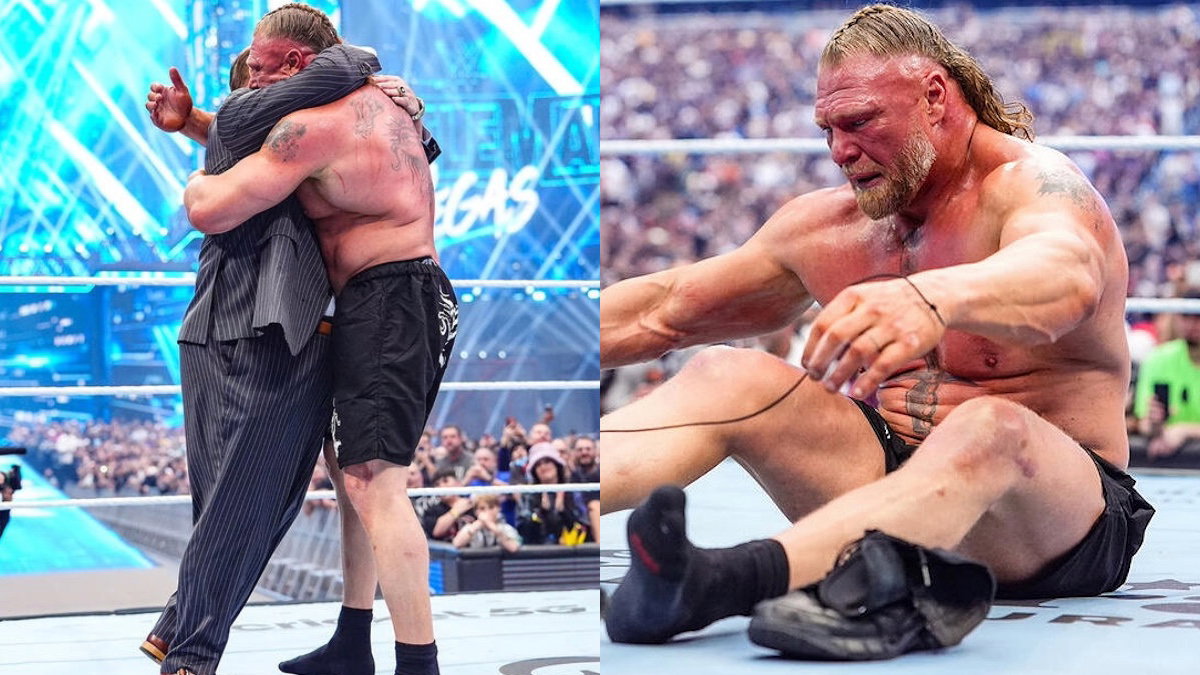
We are currently sitting in late June, just weeks away from the summer premium live events. The recent patterns I have tracked suggest we are headed for a disjointed July. When you analyze the move toward Lesnar over Benoit in 2002, you see a preference for physical spectacle over technical wrestling purity. That same trend persists today.
My prediction for the July main events is that management will prioritize heavy-hitters over work-rate specialists. Look for the top-tier talent to be involved in multi-man gimmick matches that mask fatigue rather than technical bouts that demand clean finishes. This is a conservative strategy designed to preserve main eventers for the fall.
The flaw in the rinse-and-repeat strategy
There is a glaring weakness in this current booking philosophy. By shielding wrestlers from high-stakes one-on-one matches, you strip the fans of the chance to see who actually leads the locker room. You end up with a roster full of protected assets who lack the crowd investment generated by a 20-minute, high-pace battle.
If you look at the matches from the last six months, there is a lack of sustained tension. We see too many 12-minute contests interrupted by run-ins or interference finishes. When a match ends with a DQ or a distraction, it devalues the effort. The company is treating the weekly show like a placeholder rather than a destination.
My final call for the upcoming pay-per-view cycle is a decrease in in-ring quality compared to the spring season. Management will sacrifice the four-star benchmark matches in favor of segment-driven narratives. It is a cynical play for engagement, and it will hurt the brand's momentum going into the end of the year.