The Monday Night Wars weren't just about kendo sticks and chair shots
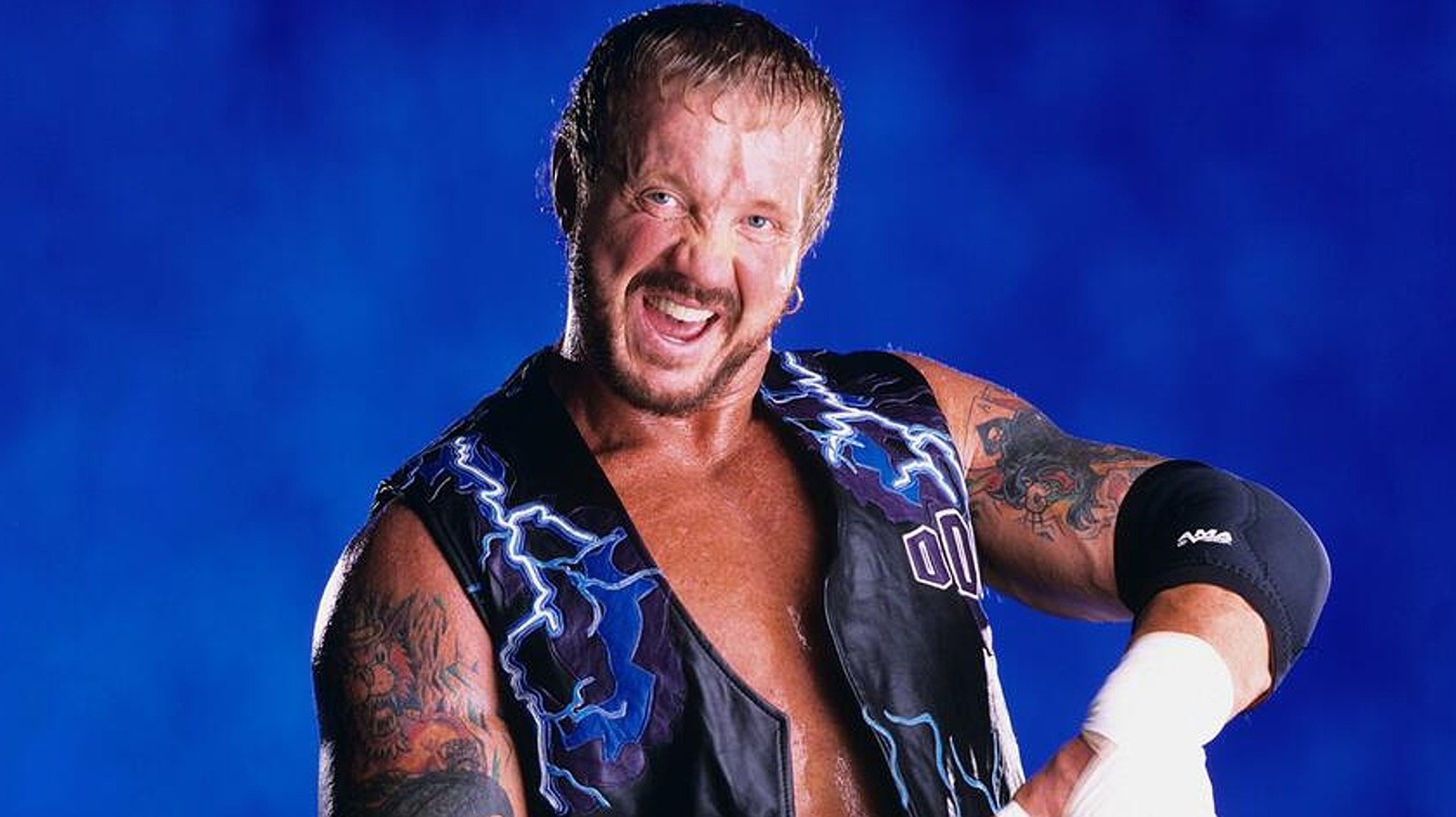
We spent the last week obsessing over Diamond Dallas Page’s recent comments about Marc Mero, and honestly, the internet is having a meltdown. DDP pulled back the curtain, insisting Mero doesn't get nearly enough respect for shifting the financial landscape of the industry. Before the turn of the century, you were lucky to get a ham sandwich and a ride to the next town. Mero snagging a massive guaranteed deal changed the math for everyone in the locker room.
Of course, the reaction from the armchair bookers has been wild. You’ve got the old-school purists who think anyone advocating for paychecks is soft. Then, you’ve got the newer fans scrolling Wikipedia, wondering why a guy known for the TKO and Johnny B. Badd is being mentioned in the same breath as wrestling legends. It is a classic clash of eras, played out across every message board and Discord server you frequent.
The forum warriors are turning on each other
The enthusiasts are loud on this one. One user on the subreddit pointed out that Mero’s leverage changed the game, noting that without his early move, we might have seen far fewer talents betting on themselves. It is hard to argue with the logic that high-end guarantees forced promoters to actually value performers as assets rather than just independent contractors at the bottom of the payroll.
Then the skeptics jumped in, raining on the parade. Someone else countered that Mero’s impact is overstated because the market was always going to inflate once WCW started throwing Ted Turner’s money around like confetti. They argue that if Mero hadn't secured that bag, someone else would have pulled the trigger. It is the classic “great man theory” versus cold, hard market economics debate, usually fueled by too much caffeine and a burning desire to be the smartest person in the comment section.
The contrarians are just being contrarians, obviously. You have people claiming Mero was a mid-card liability who lucked into a business environment shift, completely ignoring that timing is fifty percent of skill in this industry. If you think negotiating a massive payday while the lights are brightest is easy, you have clearly never tried to get a raise from a boss who treats you like an expense instead of an investment.
The reality check we actually need
Let's address the elephant in the room: yes, Mero gets heat. He was a polarizing figure who never quite hit the main event stratosphere in terms of championships. The booking was often disjointed, and the transition from the Johnny B. Badd character to the gritty reality of his Marvelous Marc run in the WWE was a bumpy ride at best. It’s fair to be critical of the in-ring output during that era.
However, dismissing his influence on contracts is like watching the recent industry developments back in London with the Guinness records and claiming the corporate side doesn't matter. It matters. It matters profoundly. DDP is right to put respect on his name here. Mero forced the hand of promoters, and that legacy lasted way longer than any character evolution or mid-card title run ever could have.
We saw the same bizarre corporate energy last week when we heard about records being broken by Nattie and Saraya. Whether it's Guinness certificates or contract structures, the business side of the ring is always going to have more teeth than the scripted rivalries. The fans who see this as a cold business move are the ones who truly grasp how the machine operates, while the trolls just want to bicker about move sets. If you aren't paying attention to the money, you aren't paying attention to the wrestling.
Ultimately, the argument for Mero is the stronger one, mostly because people confuse in-ring legacy with behind-the-curtain influence. He wasn't the greatest performer of the Attitude Era, but he arguably did more for the actual living standard of the roster than half of the guys on the posters. You don't have to love his matches to realize that his contract status is number one in terms of what actually kept performers safe and paid. Everything else is just theatre.