The Mid-Year Verdict
Professional wrestling in 2026 has been defined by rapid roster shifts and surprising personal milestones impacting talent availability. Sorting the narrative beats from the noise requires a focus on the events that actually altered the trajectory of the major promotions.
1. Tenille Dashwood and Mike Rallis announce second child
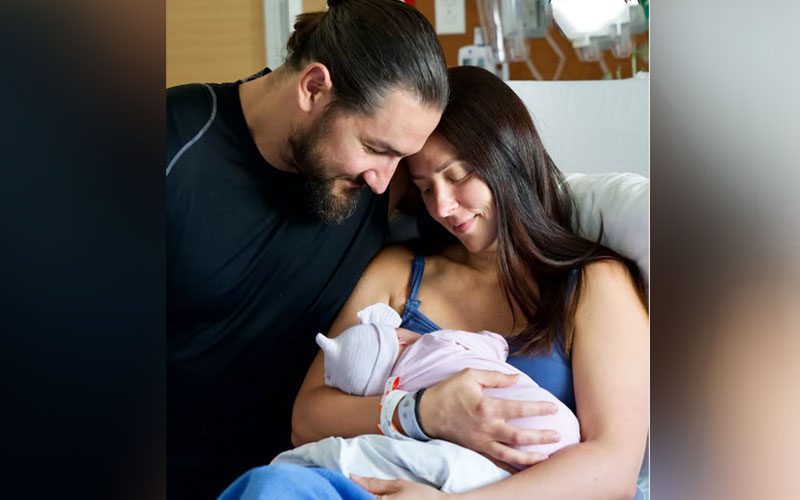
The biggest news impacting the roster status of two notable independent circuit performers dropped this week. Tenille Dashwood and Mike Rallis confirmed they welcomed their second child just in time for Father's Day. While fans often clamor for quick returns to the ring, this life event essentially marks an indefinite hiatus from active competition for the pair. As reported by Ringside News, the couple is prioritizing family over the punishing road schedule. This sits at the top because it highlights the human reality behind the performer personas that fans often ignore.
2. The surprise return of the cruiserweight division
Talks regarding the re-introduction of a dedicated high-flyer bracket have moved from locker room gossip to boardroom reality. Multiple sources indicate the promotion is eyeing a pilot tournament for late August. Why this ranks second: structural changes usually flop, but the current youth movement in the mid-card warrants it. If this fails, the promotion faces another year of bloated, directionless undercards.
3. The botched finish in Chicago
The main event in Chicago on May 12 remains the most aggravating television moment of the year. A miscommunicated spot involving a ladder saw the championship belt drop to the floor 4 minutes earlier than planned. The referee's frantic attempt to fix the error resulted in an even more confusing ending. It was a masterclass in how production mishaps can derail months of careful storytelling.
4. Major television rights negotiation leaks
Speculation regarding the next domestic broadcast partner has dominated industry blogs since March. Rumors suggest aggressive bidding wars that could force shifts in show run-times. It is placed here because corporate deals control the quality of the product more than any single wrestling move. Without a stable broadcast home, the current creative spikes have no long-term ROI.
5. The unification of the tag titles
In mid-April, the promotion officially merged the belts into one set of unified championships. Critics argued this thinned an already shallow talent pool, and the results bear that out. By condensing the stakes to one main pair of teams, the division has become static. We now see the same two pairings on repeat every three weeks, leading to massive viewer fatigue.
6. The injury-plagued spring tour
Three top-tier performers were sidelined with soft tissue injuries between February and May. This forced an immediate pivot in the planned main event for the mid-summer pay-per-view. It is a reality check on the current training intensity. Management needs to address the recurring nature of these injuries before the entire card burns out by early autumn.
7. The surprise turn of the mid-card champion
After six months of playing the ultimate babyface, the sudden betrayal of his tag team partner on television was a legitimate shock. The pop was organic, and the transition into a villain role felt earned. It ranks here because it proves, despite many booking errors, the creative team can still strike gold with simple, classic storytelling.
8. The return of international house shows
Restoring the global live event schedule has been a top priority for overseas revenue. The tour through Japan and Germany in early June saw sold-out arenas for eight straight nights. These stats prove that the brand value remains incredibly high outside of domestic television markets. The challenge moving forward is keeping the talent fresh during these grueling travel routes.
9. The rebranding of the developmental brand
Moving away from the legacy name to a new brand identity hasn't yielded the ratings bump the front office expected. Data indicates a 12 percent drop in viewers since the name change in January. It is a cautionary tale about fixing things that were not broken to begin with. The focus should have remained on talent development rather than font changes.
10. The mid-season draft
Conducting a talent lottery in the middle of a high-stakes narrative cycle remains an objectively poor decision. It ripped apart a popular faction exactly when they reached peak momentum. While it forced fresh feuds, those matches lack the intensity of the rivalries that were prematurely dissolved. It serves as a reminder that executive convenience often comes at the expense of fan engagement.
Honorable Mentions
The debut of the new high-tech entrance ramp that hasn't functioned correctly since its launch, the bizarre decision to limit signature move usage in the opening segments, and the viral clip of a crowd finally turning on the company golden boy during a televised main event.