The Big Picture
In the professional wrestling industry, the name Tony holds significant weight, primarily driven by the polarizing leadership of the AEW CEO and the meteoric rise of NXT's resident made man. These two figures represent vastly different styles of authority and performance that define the current era of the sport.
The Top 10 Influential Tonys
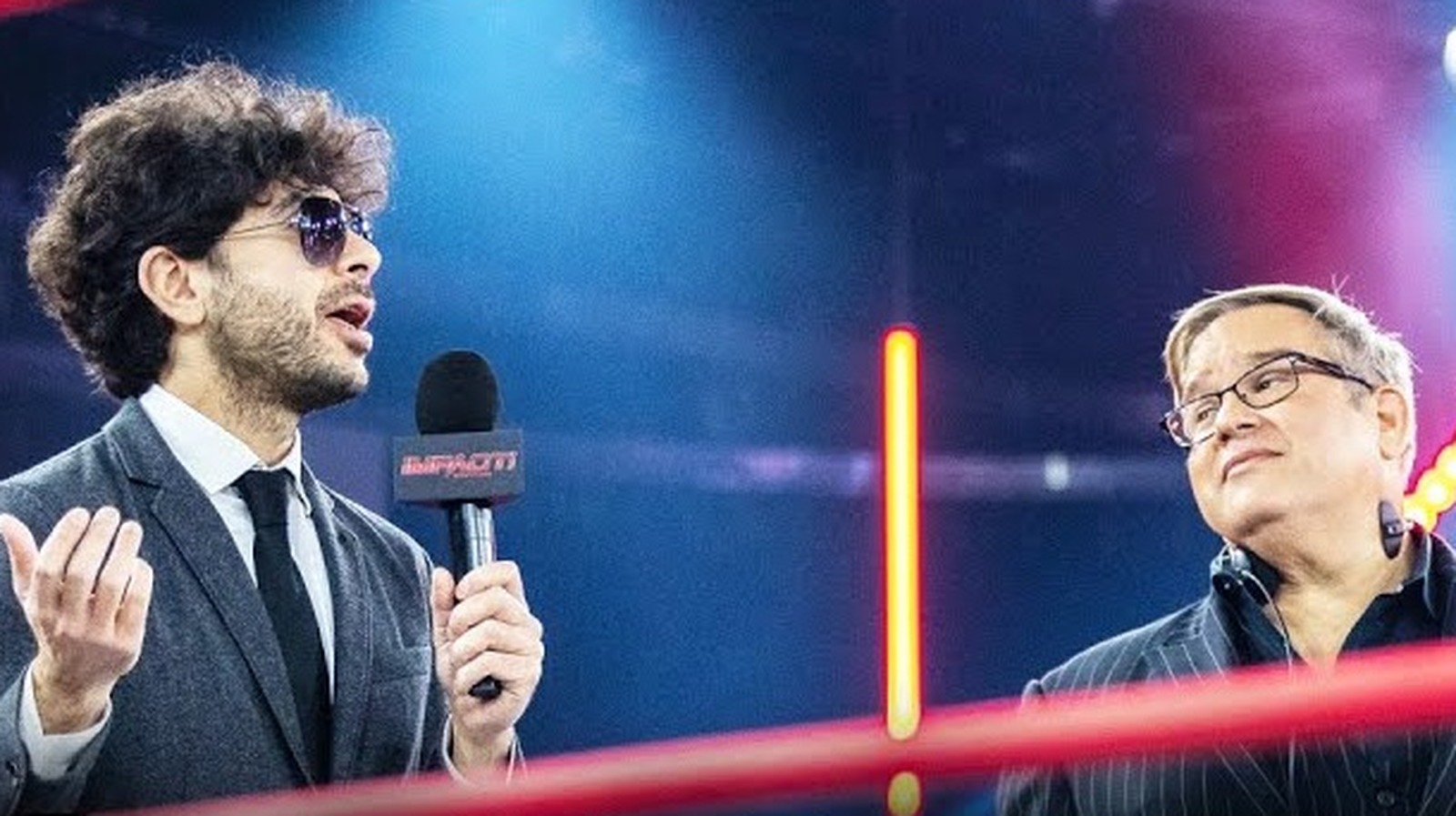
- Tony Khan (The Executive): No figure in wrestling attracts more discourse than the AEW President. Whether it is his recent pivot to a more aggressive PPV schedule or his public defense of his booking strategy, he dictates the rhythm of the independent-to-mainstream pipeline. Critics hate his media availability style, but his willingness to expand the calendar proves he is not afraid to take risks.
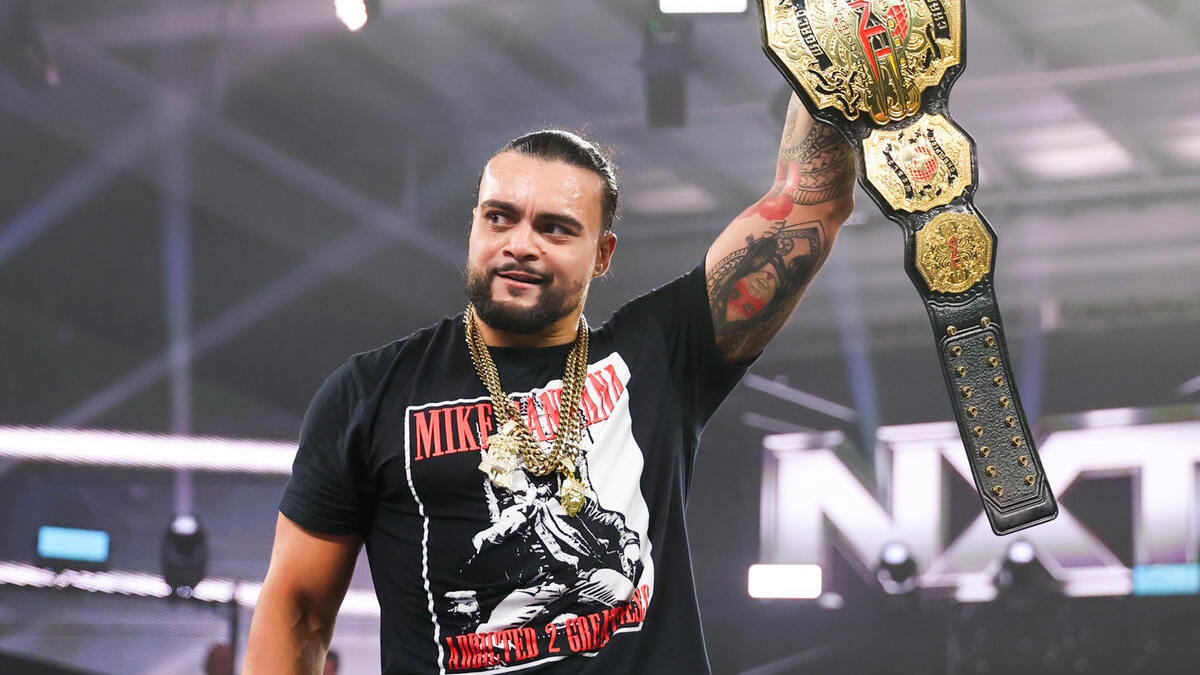
- Tony D’Angelo (The Performer): The NXT North American Champion is currently the most compelling character in developmental. His recent street fight against Naraku, produced by AJ Styles, showed he can work a main-event style. He sits at number two because he is effectively carrying the brand's mid-card narrative.
- Tony Schiavone (The Voice): As the heartbeat of AEW commentary, his transition from a legend of the past to a pillar of the present is under-appreciated. He provides the gravitas that holds the chaotic energy of Wednesday nights together. Without him, the product loses a massive layer of historical legitimacy.
- Tony Deppen (The Independent Stalwart): If you want to see technical proficiency, you watch Deppen. He remains the standard-bearer for the high-end independent scene that feeds both WWE and AEW talent rosters. His work ethic is consistent, which is more than can be said for some of the part-timers currently occupying airtime.
- Tony Chimel (The Announcer): A relic of the Ruthless Aggression era, his ring introduction for Edge lives in the memory of every fan who grew up in the early 2000s. While he is no longer on camera, the gold standard he set for announcing voices remains unchallenged.
- Tony Mamaluke (The ECW Original): A technical wizard during the dying days of the original Extreme Championship Wrestling. His ability to elevate cruiserweight bouts earns him respect among those who value psychology over high-flying spectacle. It was a simpler time for wrestling, yet he made every second matter.
- Tony Atlas (The Legend): A physical freak of nature and one of the most recognizable faces in the territory era. He brings a connection to the history of the business that younger fans often ignore. His Hall of Fame credentials are secondary to the massive shadow he casts on the sport's history.
- Tony Garea (The Road Agent): Often the invisible hand behind the curtain, Garea has been a reliable fixture in WWE's production for decades. While you do not see him on the posters, his impact on how modern matches are structured is undeniable. Reliability is a virtue often missing in the current executive climate.
- Tony Nese (The Athlete): He remains one of the most physically impressive workers in the industry. Unfortunately, his booking has been erratic, and he often feels like an afterthought. He ranks here because of his talent, despite a career path plagued by inconsistent creative direction.
- Tony Halme (The Bruiser): A relic from a different time of shoot-style influence in wrestling. His career was short-lived in the mainstream, but his connection to the reality-based gimmicks of the 90s remains a curiosity for students of the game.
Editorial Critique
The constant comparison between modern promoters like Tony Khan and historical figures like Vince McMahon—who reportedly despised the term pro wrestling—is exhausting. While Khan’s addition of events like Redemption is technically additive, it risks over-saturating the audience before the primary All In showcase. Management is currently betting on volume over quality, a strategy that historically leads to audience fatigue. Furthermore, the handling of talent absences, such as the period where Swerve Strickland was off television, leaves gaps that make the promotion feel disjointed. If they want to sustain this growth, they need to focus on clear, linear storytelling rather than just cramming the calendar with pay-per-view events.
Honorable Mentions
Tony Kozina, for his underrated work in the training center, and Tony Borne, whose historical contributions remain essential reading for anyone looking to understand the mechanics of the sport's golden era.