The boardroom shadow looms over the squared circle
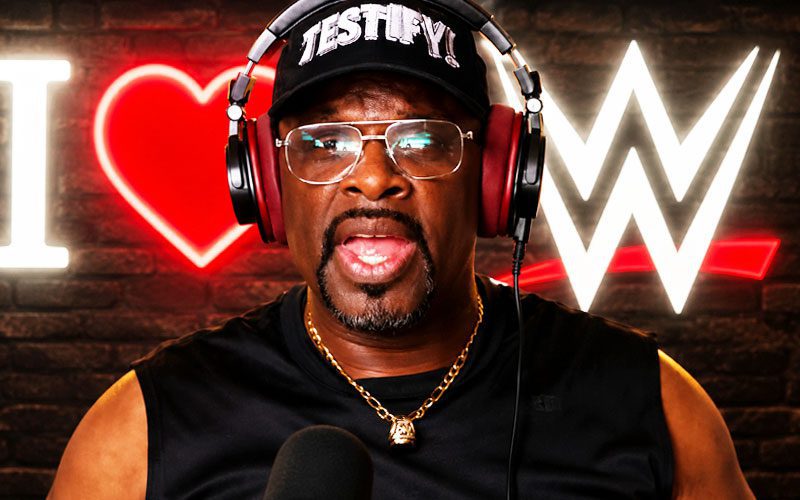
The latest musings from D-Von Dudley regarding a potential return for Vince McMahon have reopened a conversation that never truly went quiet. In Episode 79 of his podcast, the Hall of Fame performer suggested that any path back for McMahon is tethered entirely to the interests of WWE shareholders. It is a sterile way to view a company built on pageantry, but it reflects the current reality of professional wrestling's corporate evolution.
We are long past the era where a singular vision dictated the direction of the product. The modern wrestling power structure is governed by quarterly earnings calls and stock market volatility rather than mid-card booking adjustments. If McMahon wants back in, he needs the institutional investors to signal that his presence adds value to their $9.3 billion valuation, not risk.
The creative disconnect between old and new
From an analytical standpoint, the product has pivoted sharply since the change in executive leadership. The pacing of main events has slowed to allow for more nuanced character work, a stark departure from the frantic, high-octane booking that defined the late McMahon years. Forcing him back into that loop would be like introducing a virus into a well-oiled machine.
The current production values rely on a coherent long-term narrative arc that stretches across months. McMahon was historically known for ripping up scripts on the day of broadcast, a habit that created chaos in the production truck. The staff would be right to worry that his return would disrupt the 85% success rate of current storylines hitting their intended marks.
The shareholder checkmate
Dudley’s assessment is grounded in cold logic. The board acts as a filter, and that filter is designed to protect capital. Even with the gravitas his name carries, McMahon is now viewed through the lens of liability rather than creative genius by the suits in Connecticut.
It is a mistake to view his potential return as a wrestling decision. It is a fiscal one. The shareholders are currently satisfied with the steady dividends and the stability that the new era has provided. They are unlikely to gamble on a volatile figure unless the stock begins a sustained slide and confidence evaporates.
Predicting the board's move
I do not expect a dramatic return to the creative chair. The institutional appetite for the disruption that characterized 2022 is nonexistent. The company is currently operating with a profit margin that gives the current regime immense breathing room to experiment with talent rosters.
If the shares dip, the rumors will persist like a bad case of vertigo. However, my assessment is that we are looking at the end of an era where one man could single-handedly dictate the future. Fans hoping for a nostalgic return of that booking style will likely be disappointed, as the cold reality of 2026 business practices has permanently altered the landscape of the promotion.
Expect the board to maintain the status quo. If there is a change, it will come from an acquisition or a internal power shift involving the streaming partners, not a return to the old guard. A change in the head of creative for the sake of nostalgia is a 0% probability in a data-driven corporate environment.
Read Next