The dusty archives yield a cautionary tale
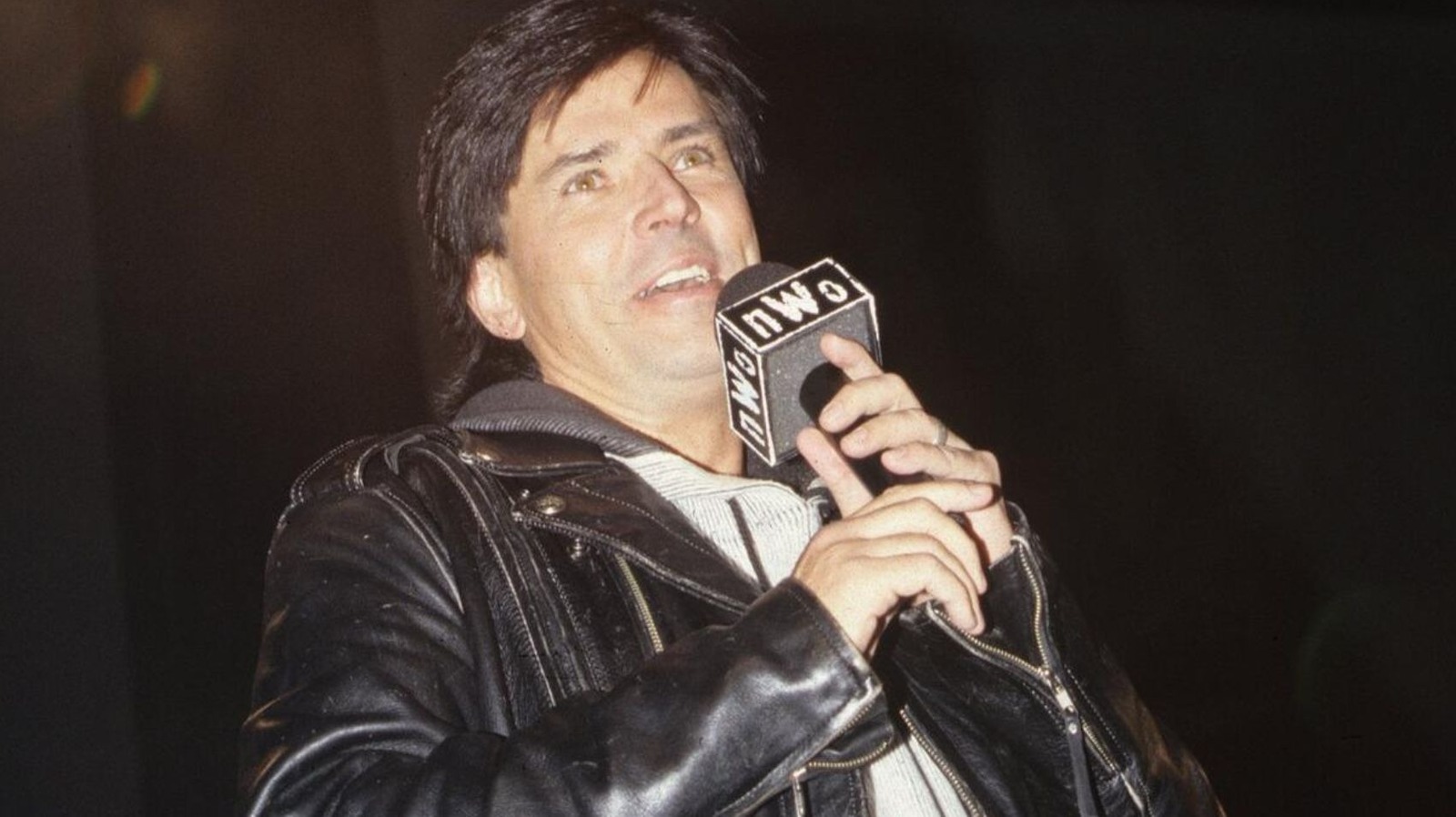
Eric Bischoff recently reflected on his formative years in the wrestling business, specifically mentioning a WWE Hall of Famer who attempted to educate him on the realities of the industry. This attempt to 'smarten up' the future executive during his early WCW tenure highlights the friction between the old-school locker room culture and the corporate shift that eventually defined the Monday Night Wars.
As noted on Wrestling Inc, Dusty Rhodes was the figure providing this unsolicited industry mentorship. It is a revealing anecdote because it captures the exact moment where the business stopped being handled exclusively by the boys and started becoming a war fought in boardrooms and cable ratings.
The booking mistakes of a bygone era
Bischoff’s growth from a guy being mentored by legends to a man who eventually forced Vince McMahon to innovate did not happen without significant missteps. While he eventually found success with the nWo, the reliance on older stars in the mid-90s left the promotion with almost no bench when the main eventers aged out. That is where the 'smarten up' mentality arguably hurt the company; it prioritized protecting spots over the long-term health of the roster.
Looking at the current landscape, the promoters who succeed are the ones who balance institutional knowledge with an eye for the next generation. WWE is currently operating with a level of internal discipline that Bischoff notably lacked during his chaotic sunset period. The current creative team isn't just relying on 'smartening up' talent; they are managing a data-driven pipeline that tracks crowd engagement and merchandising metrics in real-time.
Predicting the next power shift in wrestling
My prediction is that we are heading toward a period of extreme consolidation in independent talent recruitment. WWE no longer needs to rely on the carny tactics of the past because they have successfully standardized their performance metrics. I expect to see the company sign fewer high-priced veterans and shift their budget toward scouting non-traditional athletes who don't have the baggage of 'old-school' habits.
The critical flaw in this strategy is the potential for a sterile product. If you remove the instinct for improvisation that guys like Dusty Rhodes possessed, you risk turning matches into rehearsed sequences that lack genuine heat. A 15-minute technical masterclass is useless if the audience doesn't care about the result. Wrestling is a sensory medium, not a set of equations on a whiteboard.
Bischoff eventually learned the game, but his story serves as a reminder that the loudest guys in the room are often the ones who need to listen the most. The next cycle will not be won by the booker with the biggest budget, but by the one who can actually bridge the gap between human electricity and corporate efficiency. Expect the gap between the major leagues and the rest to widen to a 75 percent market share by late 2027.