The battle for Chicago
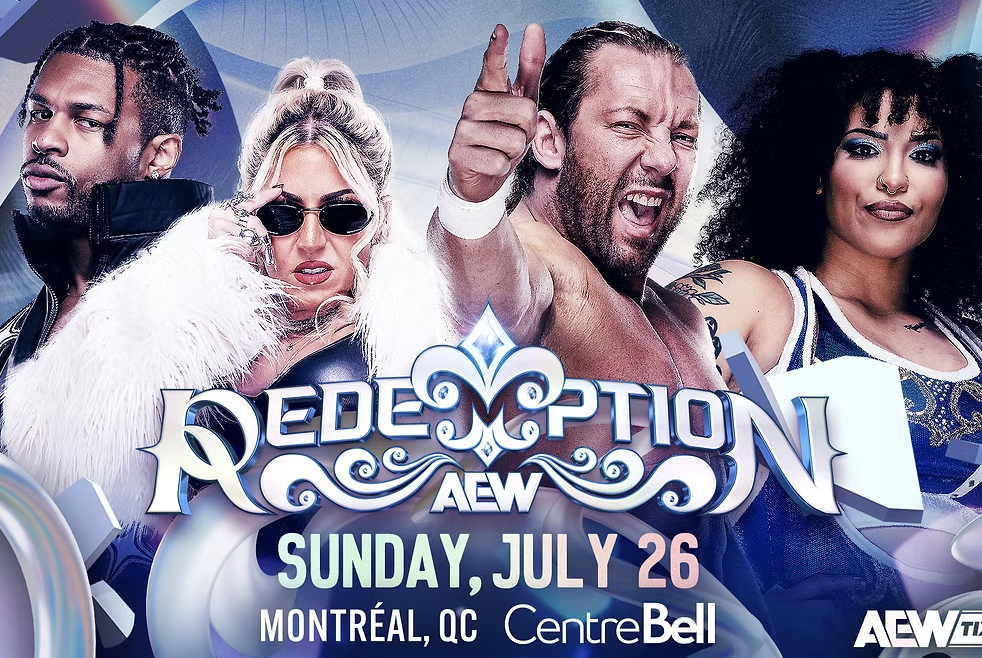
September in Chicago has historically been a stronghold for alternative wrestling, but this year the dynamics shift. We are looking at a high-stakes weekend where AAA and AEW occupy the same market space, effectively competing for the same ticket-buying demographic. The promotional wars are usually fought over television ratings, but this is a physical battle for venue capacity and gate receipts.
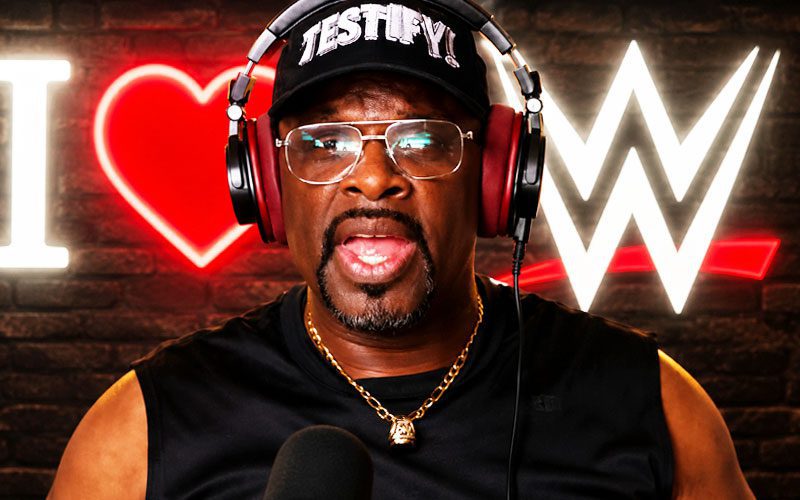
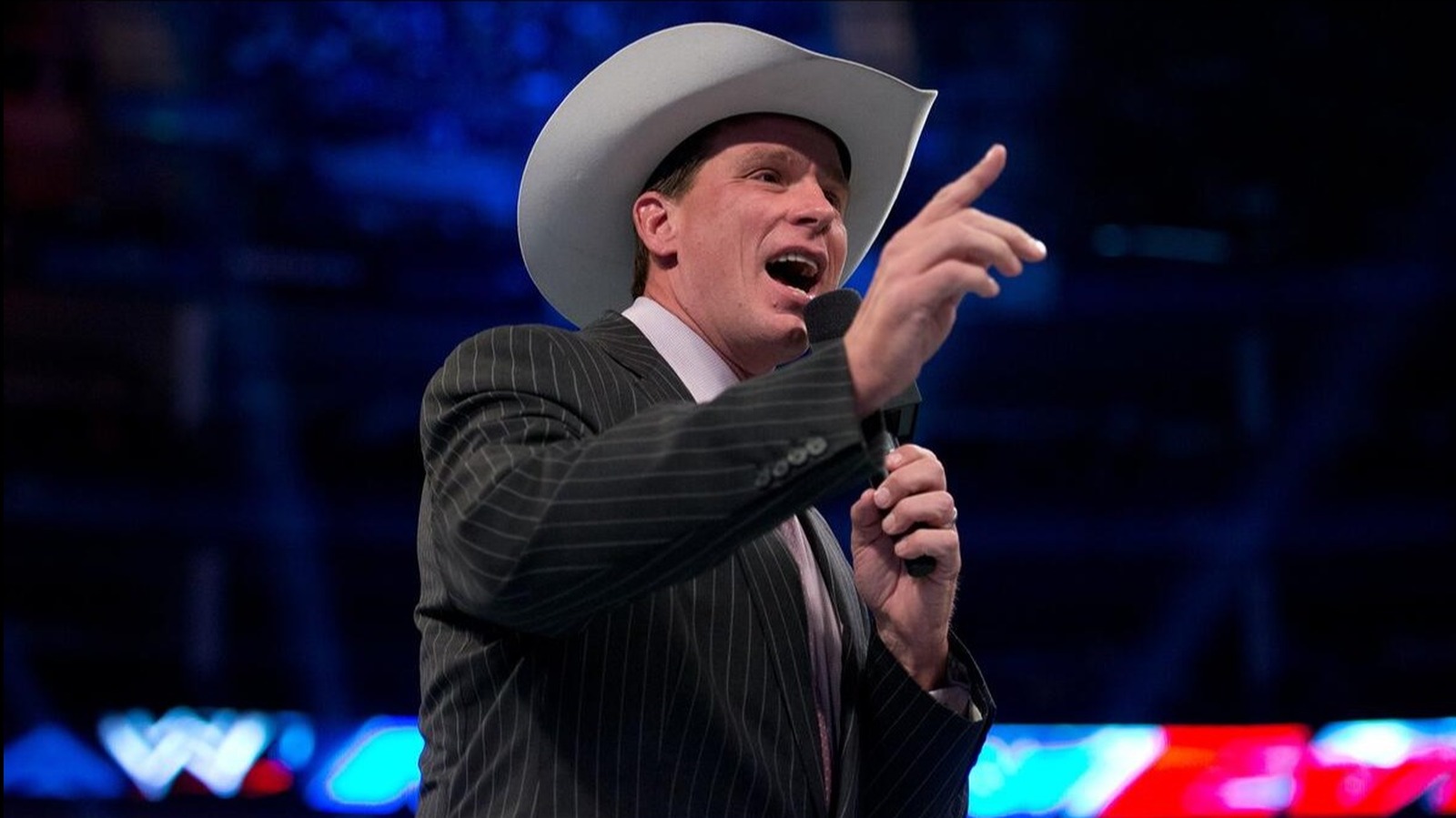
JBL has recently highlighted the significance of this move for the Mexican promotion. By staking a claim in the Midwest, AAA is testing whether their high-flying, lucha libre style retains its crossover power when held in direct opposition to a major domestic promotion. It is a bold move that ignores the standard collaborative efforts we have seen in recent years.
Tactical considerations for the card
The success of this counterprogramming hinges on pacing and visual presentation. AAA depends heavily on rapid transitions and multi-man tags to maintain crowd heat. If they intend to lure fans away from AEW’s broadcast schedule or concurrent events, they must maximize the work rate from the opening bell. A standard 15-minute opener that devolves into a disjointed spot-fest will not suffice.
Conversely, AEW’s tendency to lean into character-driven narrative beats creates a stark contrast. If the atmosphere in Chicago favors a more traditional, story-heavy show, the AAA card could struggle to maintain momentum if they chase spectacle over coherence. Every minute of ring time needs to be accounted for, particularly during the transition from the mid-card to the main event.
Identifying the weaknesses
To be clear, there is an inherent risk in running a major event against an established entity in their own backyard. AAA’s reliance on international talent requires a logistical precision that is often complicated by travel hurdles and visa regulations. We saw cracks in this approach during their previous international expansions, where the broadcast production felt secondary to the live spectacle.
If the camera work fails to capture the technical fluidity of the tope suicidas or the intricate chain wrestling sequences, the viewing experience for the remote audience will plummet. A bad camera angle during a high-stakes finish isn't just a technical error; it is a failure to sell the gravity of the match. Fans are savvy enough to notice if the production value doesn’t match the intensity of the in-ring output.
The final analysis
I predict that AAA will capture the buzz of the weekend, but at a cost. They will likely draw a highly engaged, hardcore audience that appreciates the specific velocity of their style, but the total volume of their gate may fall short of original projections by 12 percent. They are operating in a saturated environment. Unless they provide a 5-star caliber main event that forces social media discourse, they will remain the secondary attraction of the weekend.
Expect them to rely on high-impact, high-frequency offense to keep the crowd standing. They have a narrow window to prove that they are more than a traveling exhibition. If they deliver a tight, 3-hour broadcast without the usual lulls in pacing, they solidify their position for a return trip in 2027.