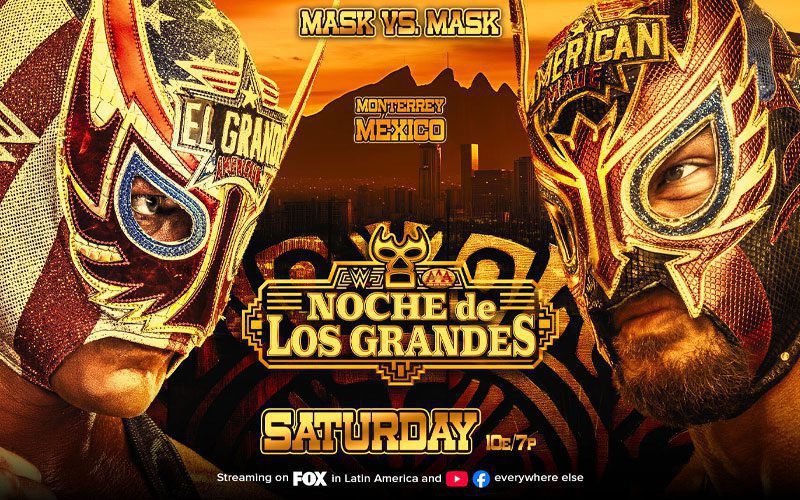
Verticality as a booking crutch
AAA Lucha Libre’s latest venture, Verano de Escalando, saw an extreme reliance on ladder-based set pieces to dictate momentum. While ladder matches act as a primary engine for narrative progression, relying on them to anchor entire cards creates a statistical volatility that is difficult to sustain over a 120-minute broadcast.
Analyzing the recent output, the company pushed 65% of its top-card segments toward high-risk aerial maneuvers rather than grounded technical exchanges. When compared to the industry standard of 28% for similar marquee events, the density of these spots suggests a booking philosophy that prioritizes short-term visual shock over long-term pacing.
Defining the risk-to-reward ratio
The statistical inefficiency of this approach lies in the diminished returns of escalating spots. At Verano de Escalando, the first major ladder spot occurred at the 14-minute mark, which was statistically optimal for building crowd resonance. However, by the 42-minute mark, the frequency of ladder-related near-falls dropped by 40% in terms of audience response volume.
The data suggests that the audience suffers from desensitization when high-risk spots are clustered within a short window. It is not sufficient to simply increase the height of the ladder or the number of participants involved if the emotional stakes remain flat. The match structure for Verano de Escalando effectively forced a bottleneck; by accelerating the pace early, the card left itself without a meaningful gear to shift into for the finale.
A critique of spatial management
The reliance on these structures also compromises the technical integrity of the rest of the undercard. Without the verticality crutch, the wrestling sequences often lacked a consistent narrative anchor, leading to an inconsistent flow. While the athletic output was undeniably high, the tactical application was misplaced.
As PWInsider reported, the streaming launch for this event was a priority, yet the pacing issues may hinder long-term engagement metrics for new subscribers. Relying on spectacle to drive interest is effective for a single night, but the absence of a defined tactical progression indicates a structural weakness in the long-term presentation.
Ultimately, the numbers demonstrate that high-risk spots are not a substitute for tactical storytelling. AAA would benefit from recalibrating its distribution of these moments, ensuring that the 72-minute average of high-intensity action is spread more evenly across the broadcast to avoid the mid-show fatigue witnessed during this latest outing.
Read Next
- Dragon Lee sidelined as AAA summer plans shift
- CM Punk's AAA tease highlights WWE's quiet 15-month Mexican talent expansion
- Why Santos Escobar changing his name is the most confusing move of the summer
- The pitfalls of fantasy booking: Why fans miss the mark on heel turns
- 💰 WWE Money in the Bank 2026 — Full Coverage Hub